
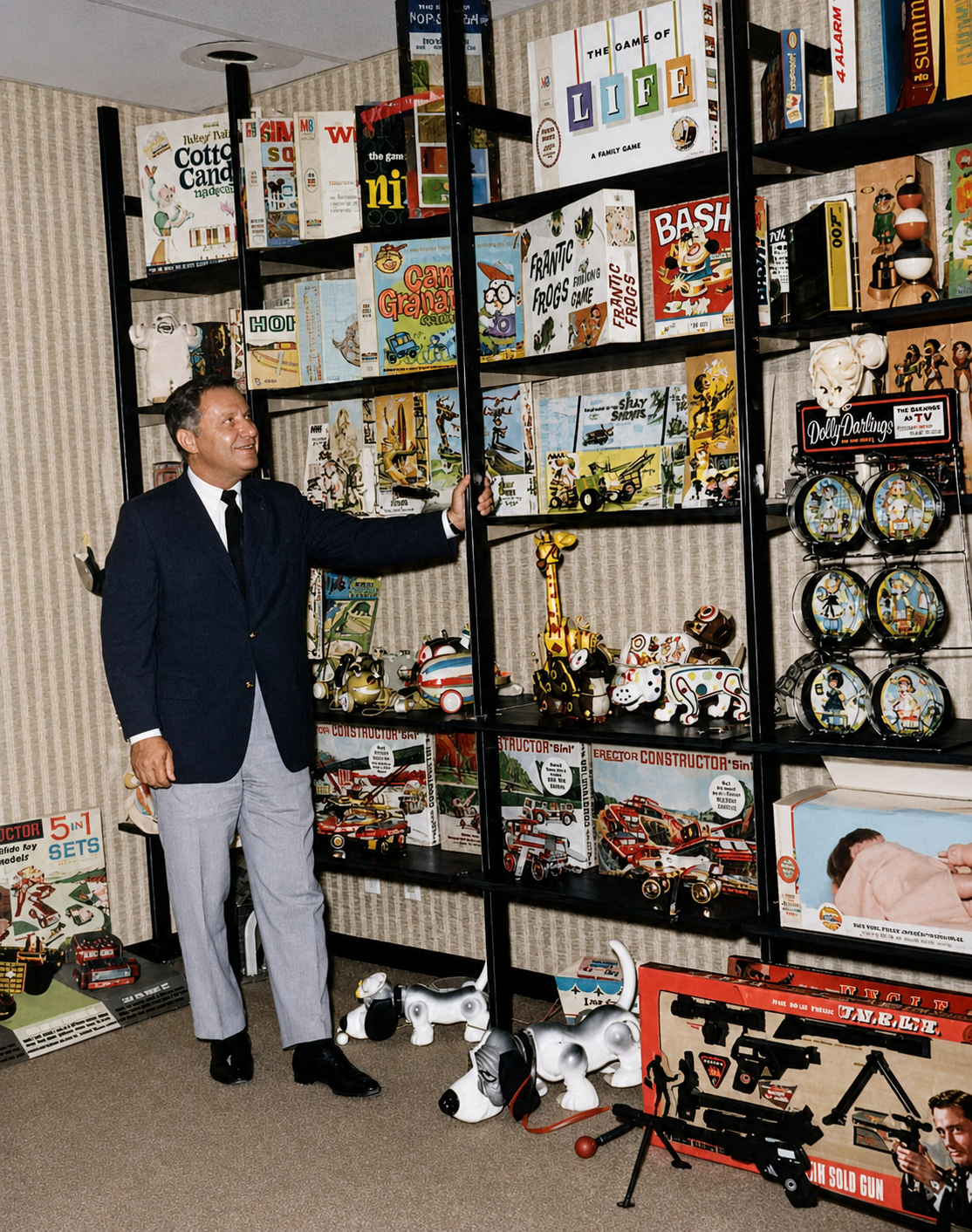
Reuben Klamer: a six-decade legacy of invention
4 alarm game
a game of pivot
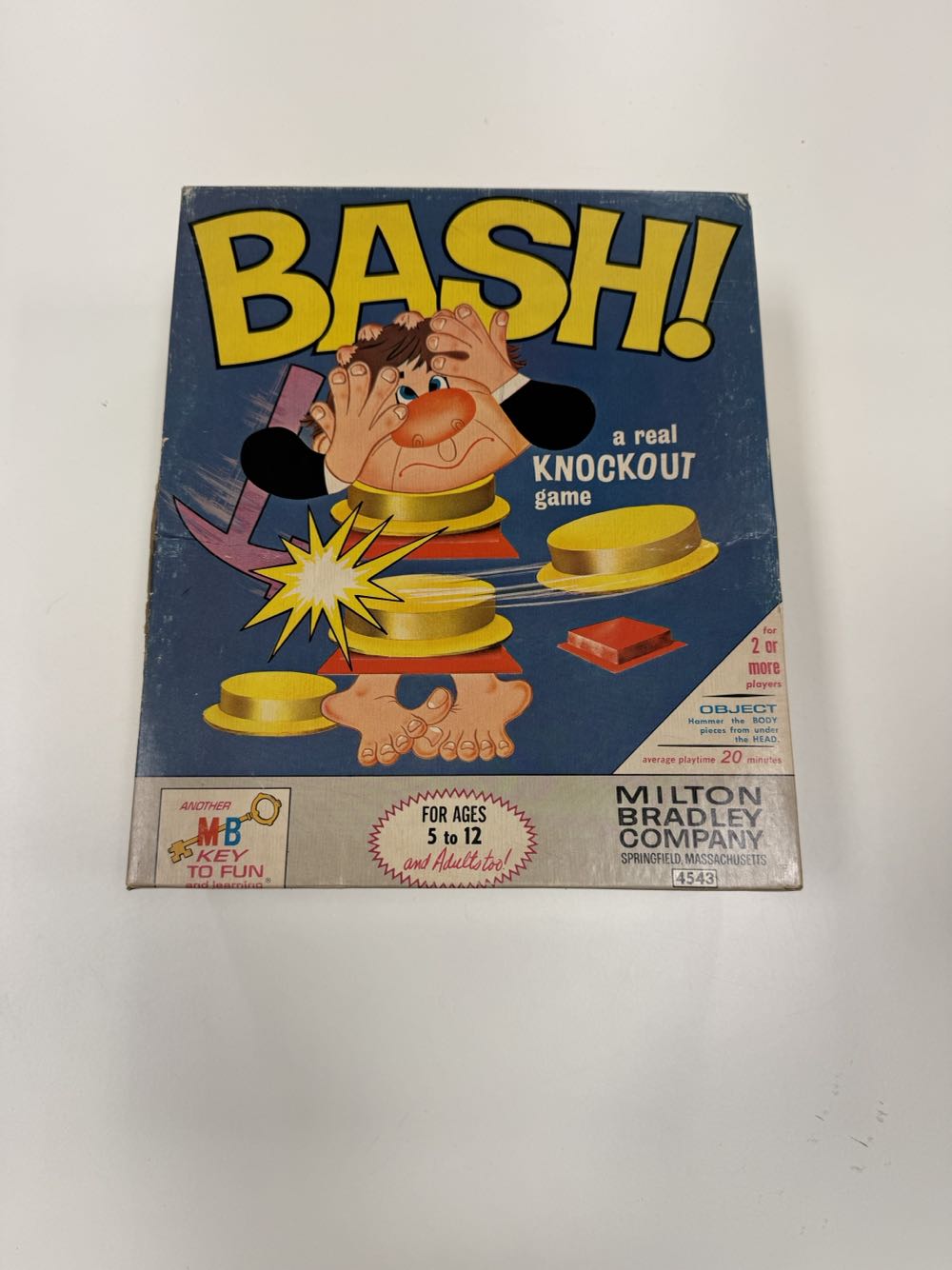
Bash! A Real knockout game
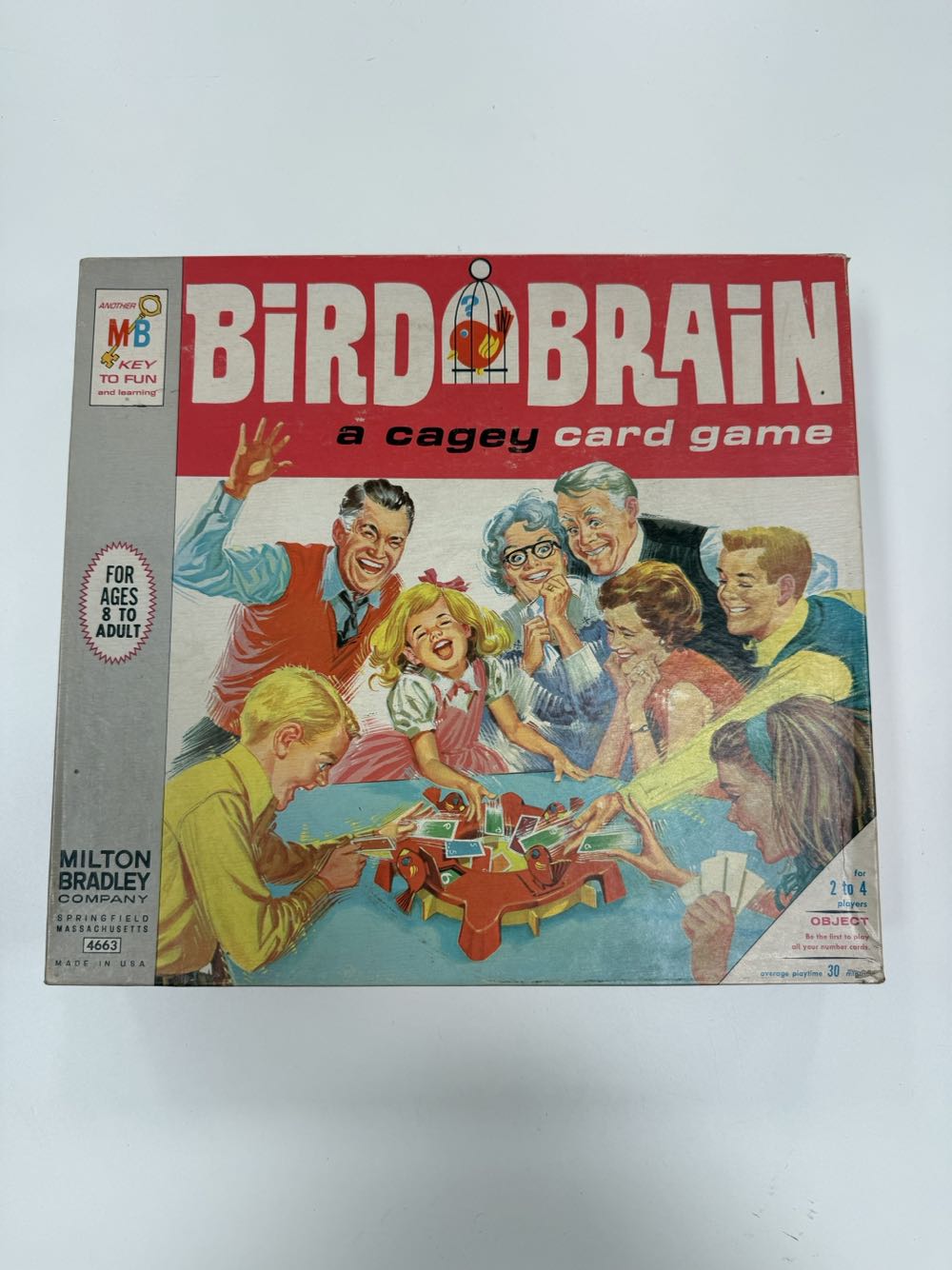
bird brain game
Camp Granada Game (aka Alan Sherman's Camp Granada Game)
chase back game
Cherry Pie Game
Drop In The Bucket Game
Easy Money Game
Erector Construction Set
Game Of The States (1960)
Grand Slam Game
Game Of Hopscotch, The
Hang On Harvey! (1969 Reuben Klamer Original Version)
Hide 'n Thief Game
How To Succeed (Game)
NIRTZ (aka The Game Is Nirtz)
SPLIT (An Intriguing Strategy Game)
SUMMIT: THE TOP LEVEL GAME OF GLOBAL STRATEGY
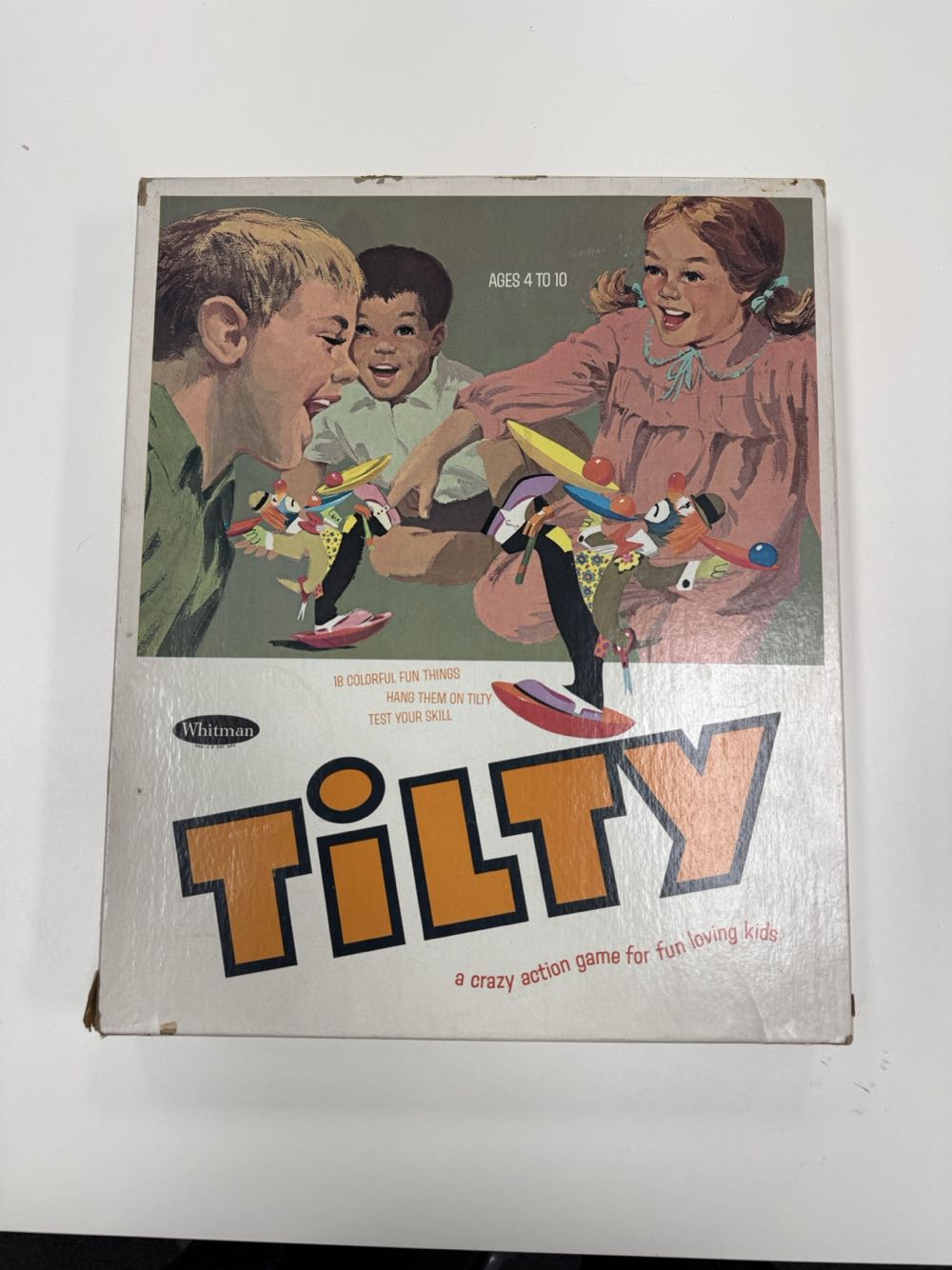
Tilty Game
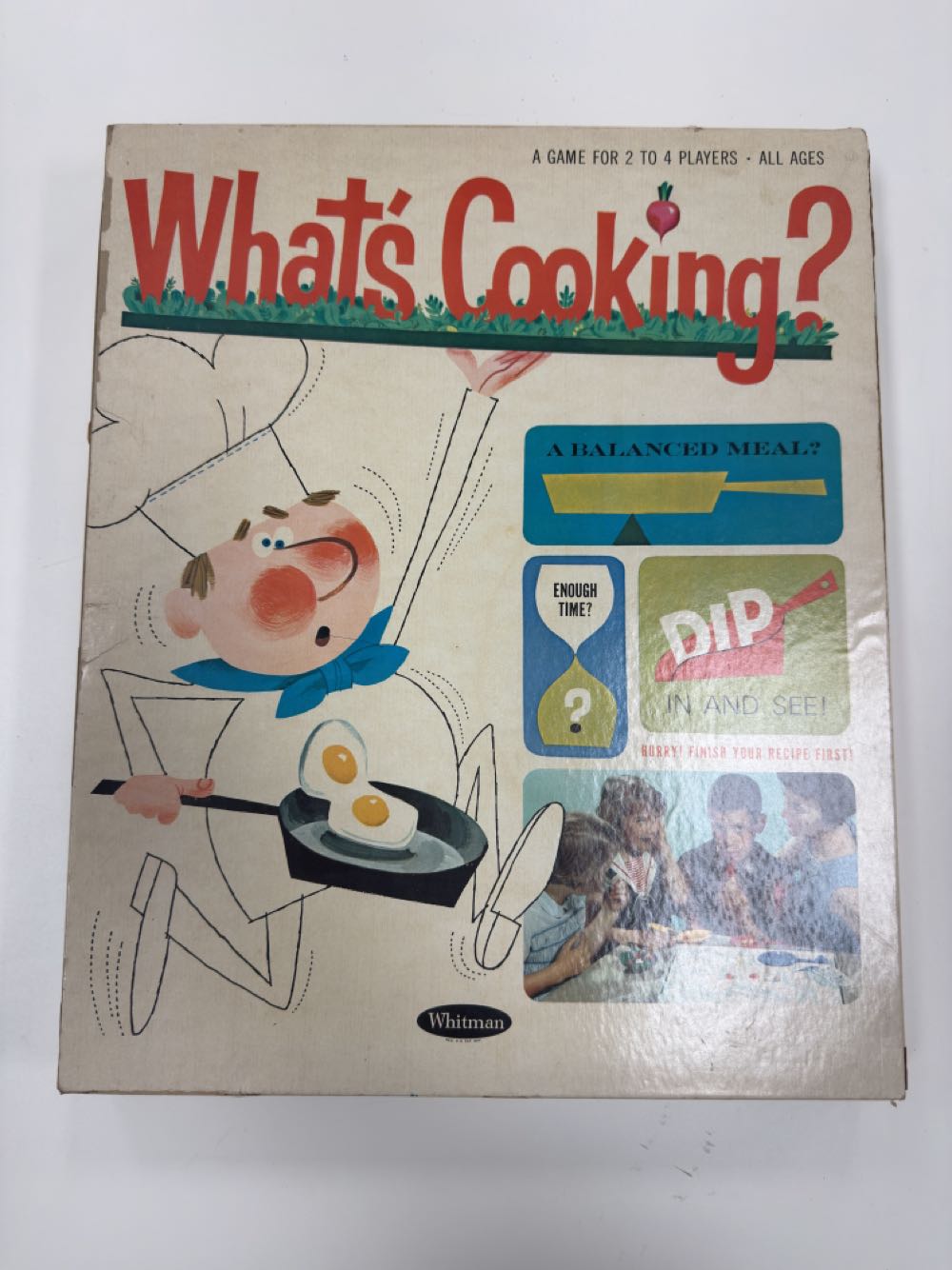
What's Cooking? (aka The What's Cooking? Game)
Whirl Out (Game)
Game
Game
The Klamer family catalog
Explore a growing visual index of games, toys, dolls, and play concepts connected to Reuben Klamer’s six-decade creative career. This page brings Toylab’s existing catalog together with the distinct public records currently listed in the Klamer family’s iCollect collections.
Games
Board, strategy, party, action, card, and dexterity games
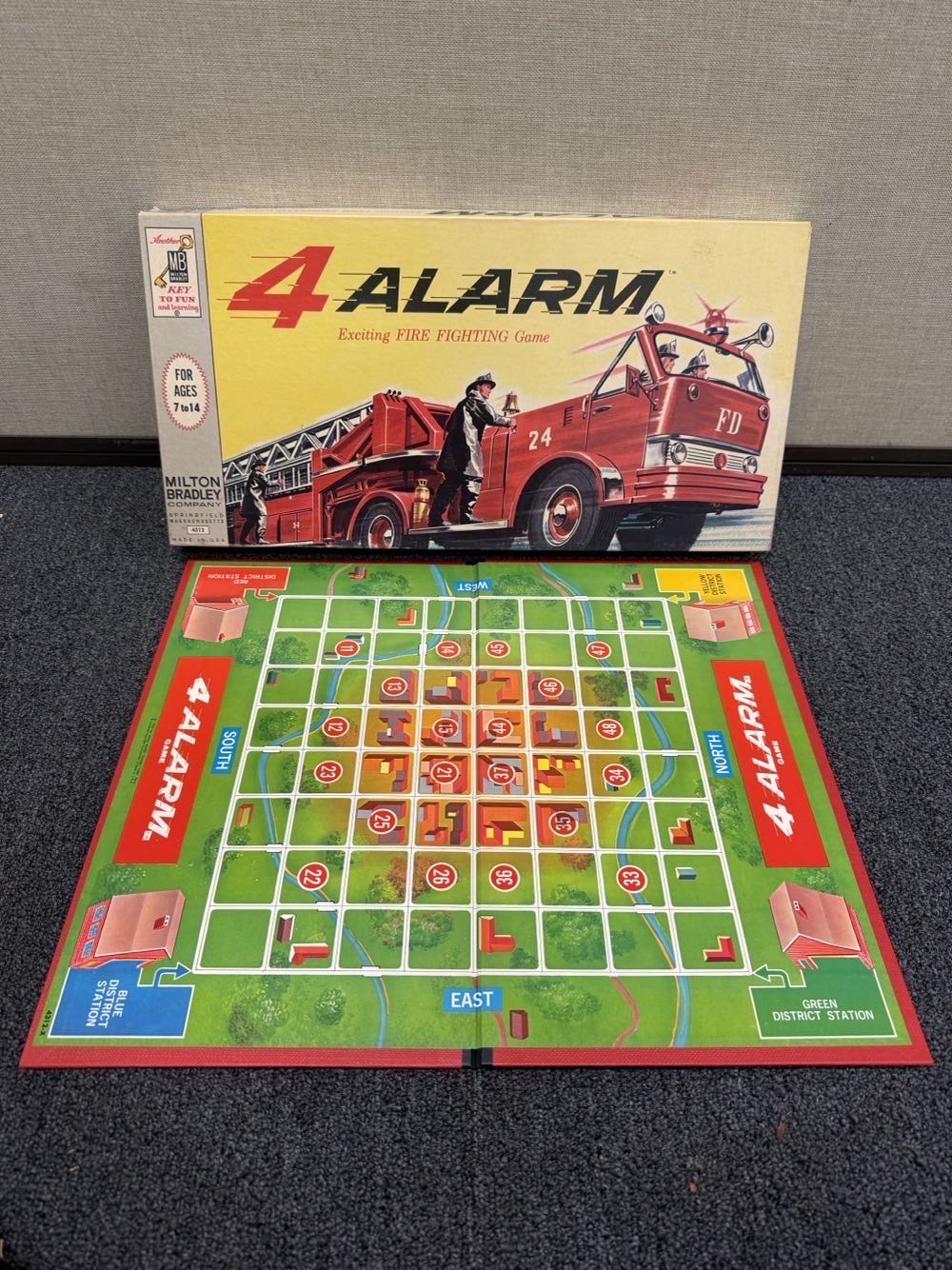
4 Alarm
This record is included in the Klamer family collection while attribution and supporting documentation are reviewed.
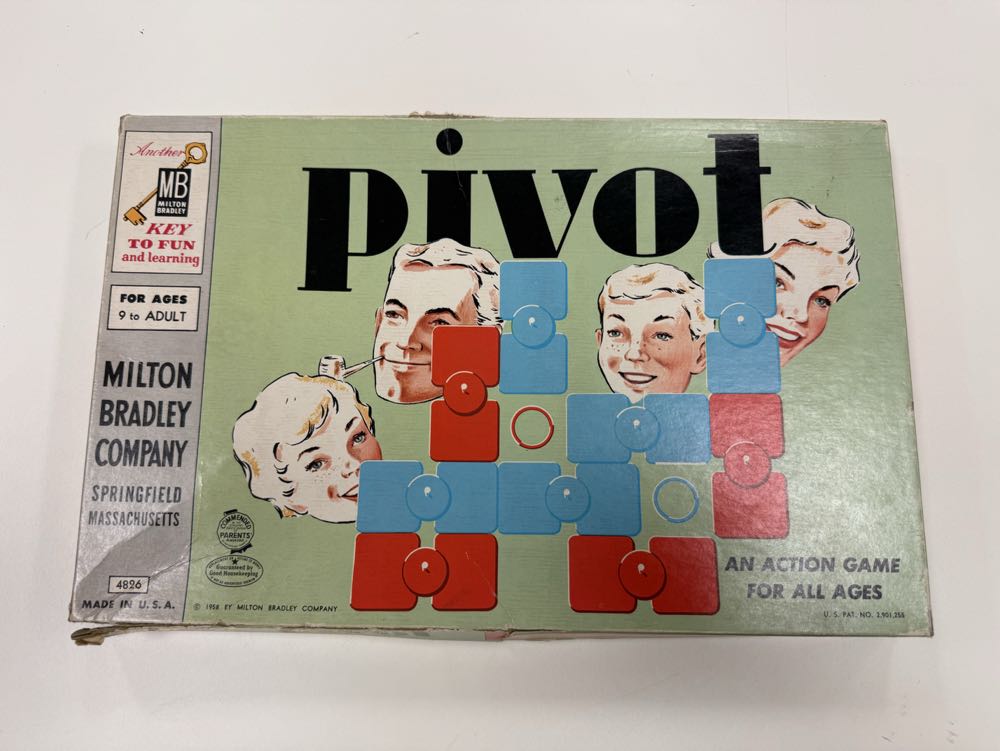
A Game Of Pivot
A 2 to 4 Player strategy game of numbers for all ages! Created by Reuben Klamer for Milton Bradley in 1960
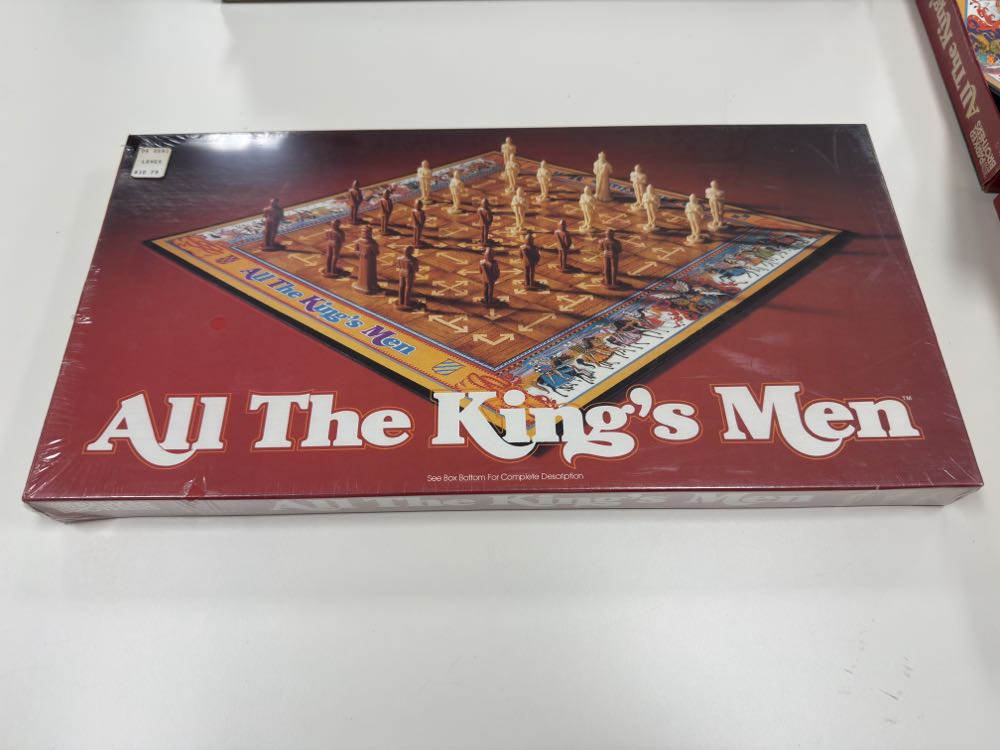
All The King’s Men
This record is included in the Klamer family collection while attribution and supporting documentation are reviewed.
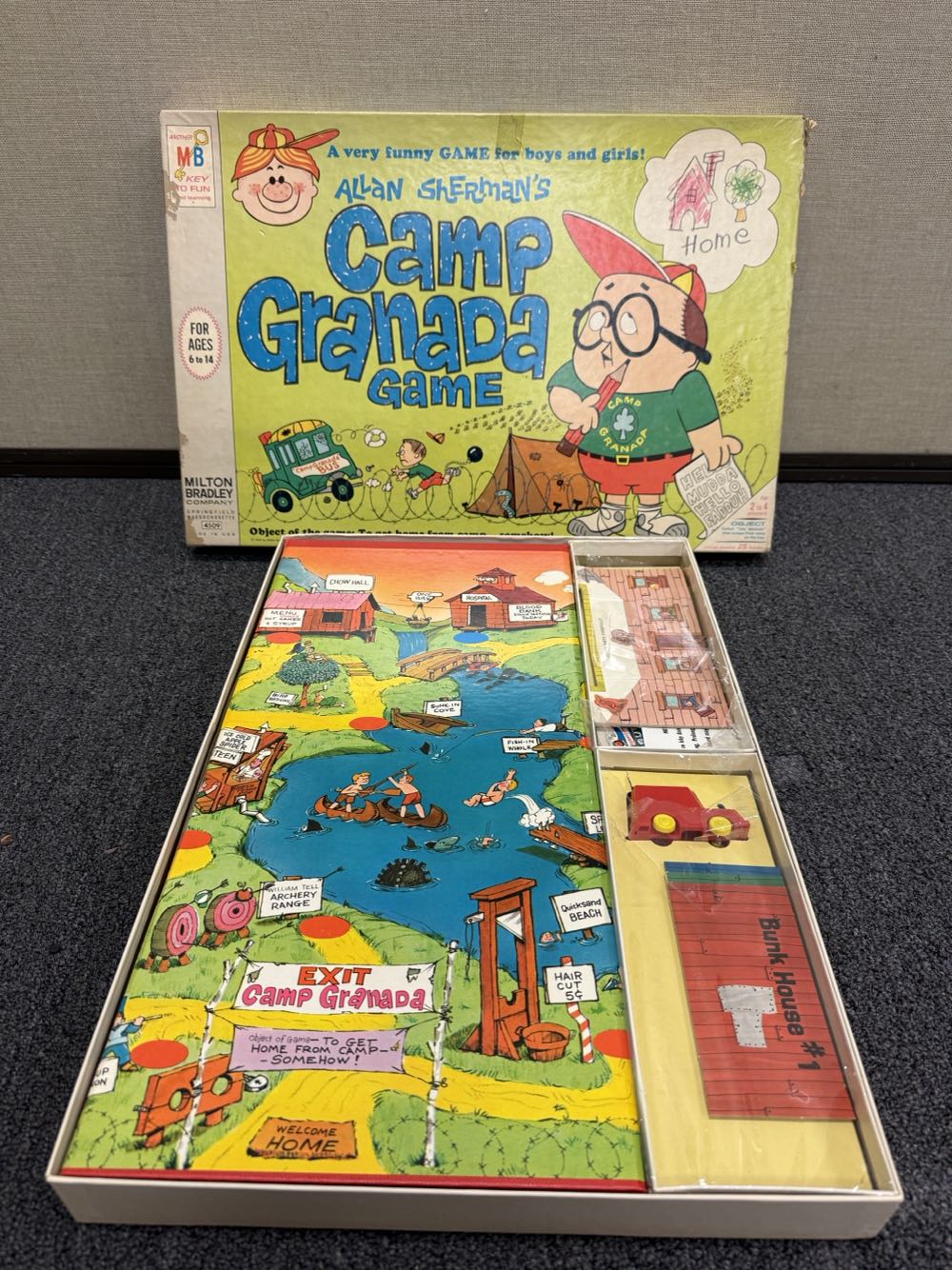
Camp Granada Game
Camp Granada Game, a vintage board game from Milton Bradley, inspired by the famous 1963 novelty song “Hello Muddah, Hello Fadduh” by Allan Sherman and created by Reuben Klamer. A nostalgic journey through a crazy…
Read existing Toylab catalog note
Camp Granada Game, a vintage board game from Milton Bradley, inspired by the famous 1963 novelty song “Hello Muddah, Hello Fadduh” by Allan Sherman and created by Reuben Klamer. A nostalgic journey through a crazy summer camp! Game Overview: • Title: Allan Sherman’s Camp Granada Game • Publisher: Milton Bradley • Year Released: 1965 • Target Age: 6 to 14 • Tagline: “A very funny GAME for boys and girls!” Theme: The game is a humorous and chaotic take on summer camp life, mimicking the song’s satirical and silly complaints about camp misadventures. Gameplay: Players drive around a board with a small red “Goofy Camper” bus, trying to pick up “icky” campers from various trouble spots like “Haircut Hut,” “Poison Ivy Grove,” and “Leaky Tent.” The goal is to fill your bus with kids and return home — with plenty of comical mishaps along the way. Notable Features: • Cartoon-style artwork heavily influenced by the song’s lyrics • Plastic 3D camper bus and cardboard bunkhouses • Wacky obstacle-filled board (e.g., crocodiles in the lake, barbers with giant shears) Cultural Note: This game was part of a wave of novelty-themed family games during the 1960s and capitalized on Allan Sherman’s popularity at the time. It’s now considered a collectible item, especially if complete and in good condition. Reuben Klamer was directly involved in the creation of the Camp Granada Game. His Role: Reuben Klamer is credited as the inventor of the Camp Granada Game, which he developed in collaboration with Milton Bradley, the same company that published his most famous invention, The Game of Life. He worked closely with Allan Sherman, whose novelty song inspired the game, to translate the song’s humor into a playable board game format. Notable Connections: • The game was produced under Klamer’s “Key to Fun” branding (visible on the top left of the box), which was his signature line used on several of his Milton Bradley products. • It demonstrates Klamer’s skill in adapting pop culture into commercial games, a trend he helped pioneer in the 1960s.
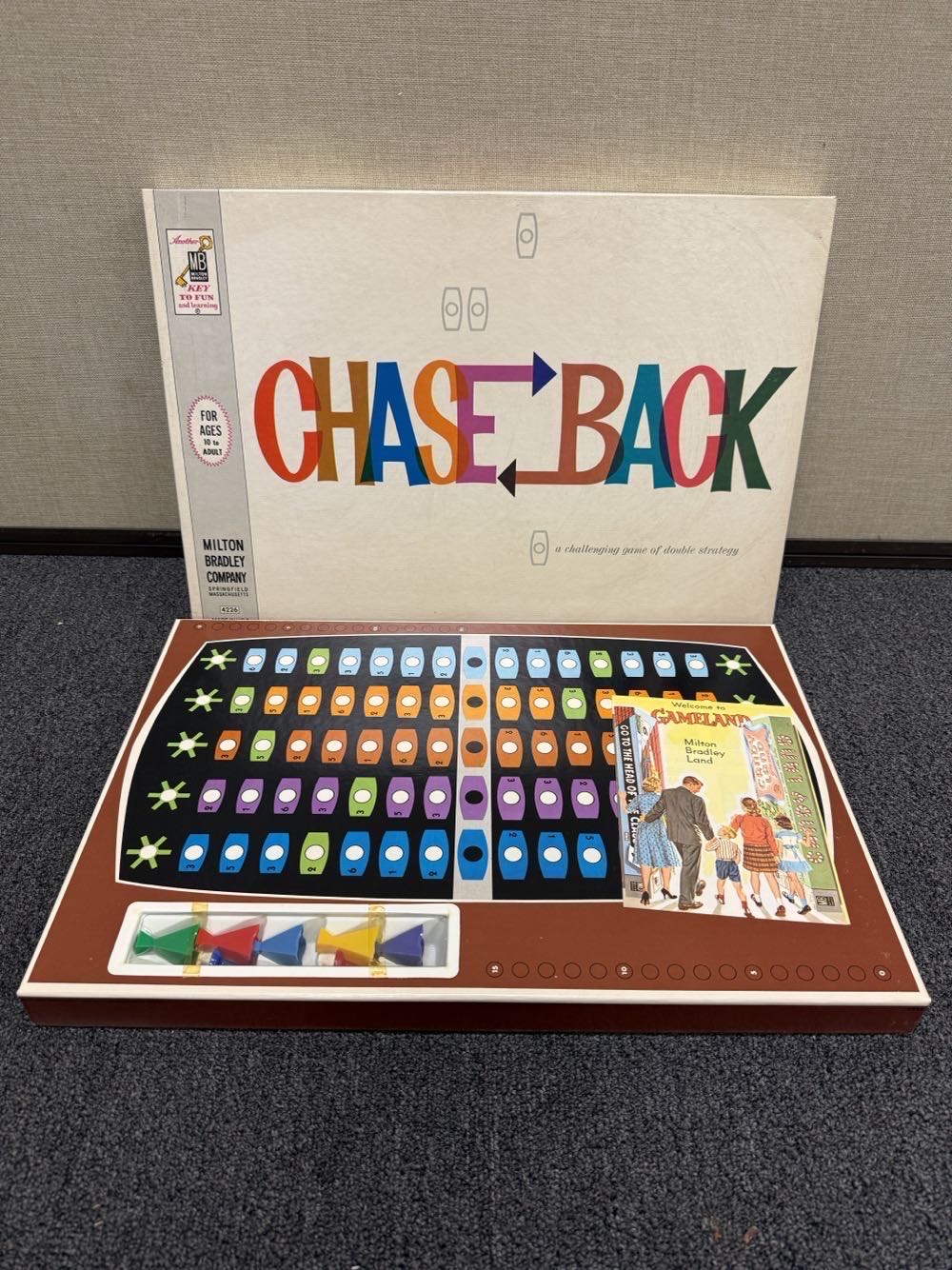
Chase Back
This record is included in the Klamer family collection while attribution and supporting documentation are reviewed.
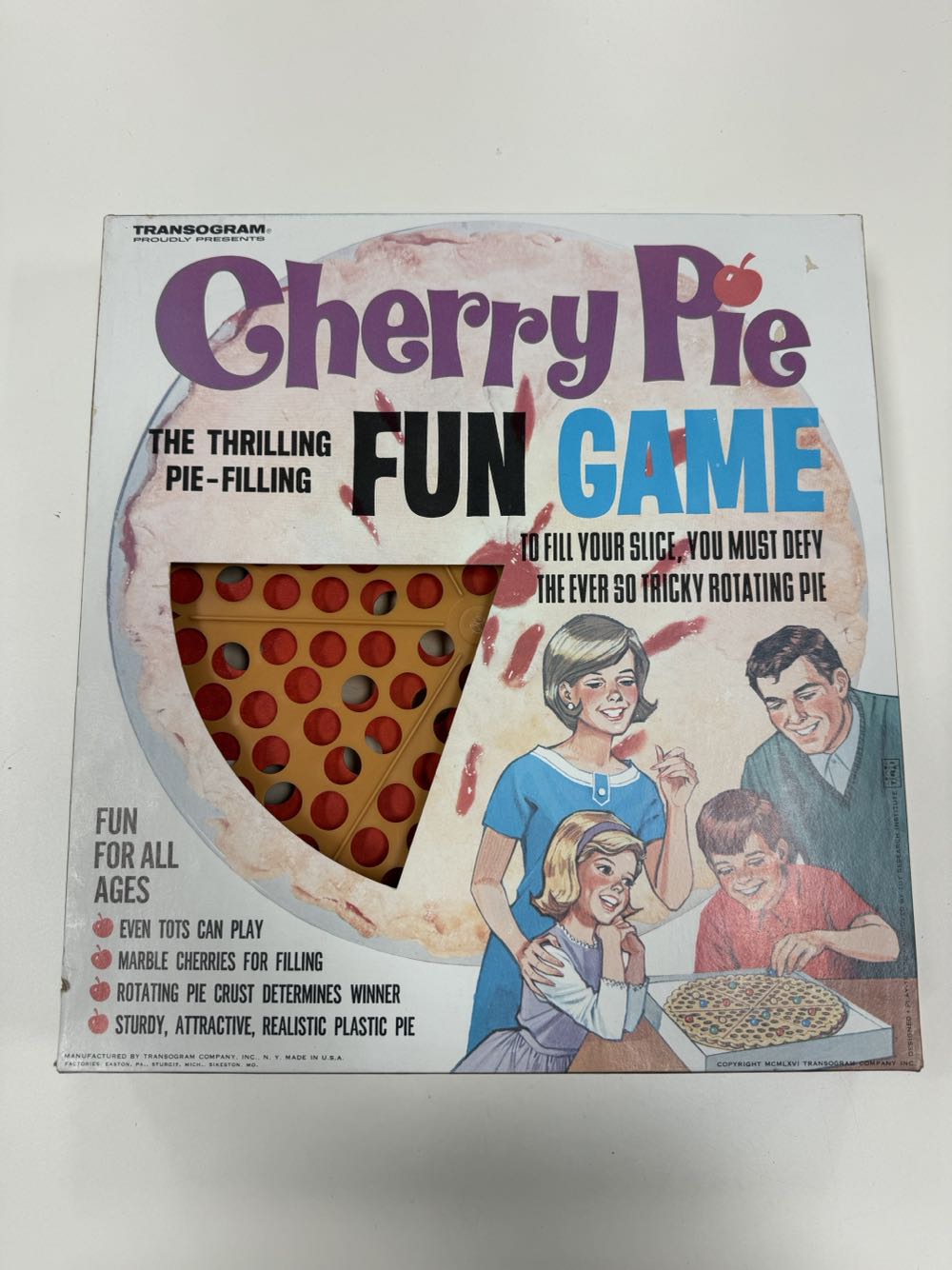
Cherry Pie
The thrilling pie – filling fun game. To fill your slice, you must defy the ever so tricky rotating pie. Created in 1966 by Reuben Klamer for Transogram.
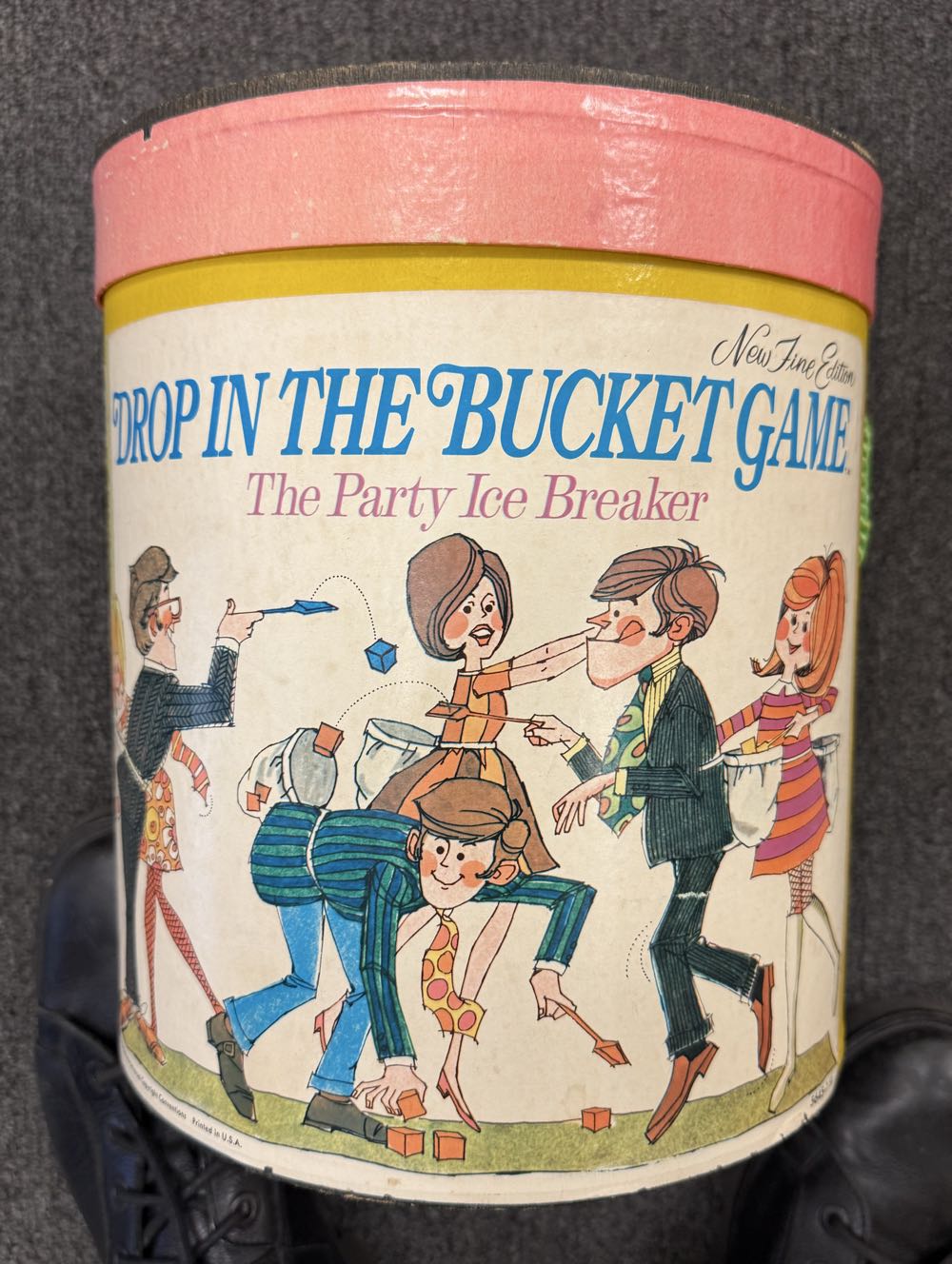
Drop In The Bucket Game
Drop in the Bucket Game! An exhilarating party game for adults and kids alike! Created by Reuben Klamer for Milton Bradley in 1966.
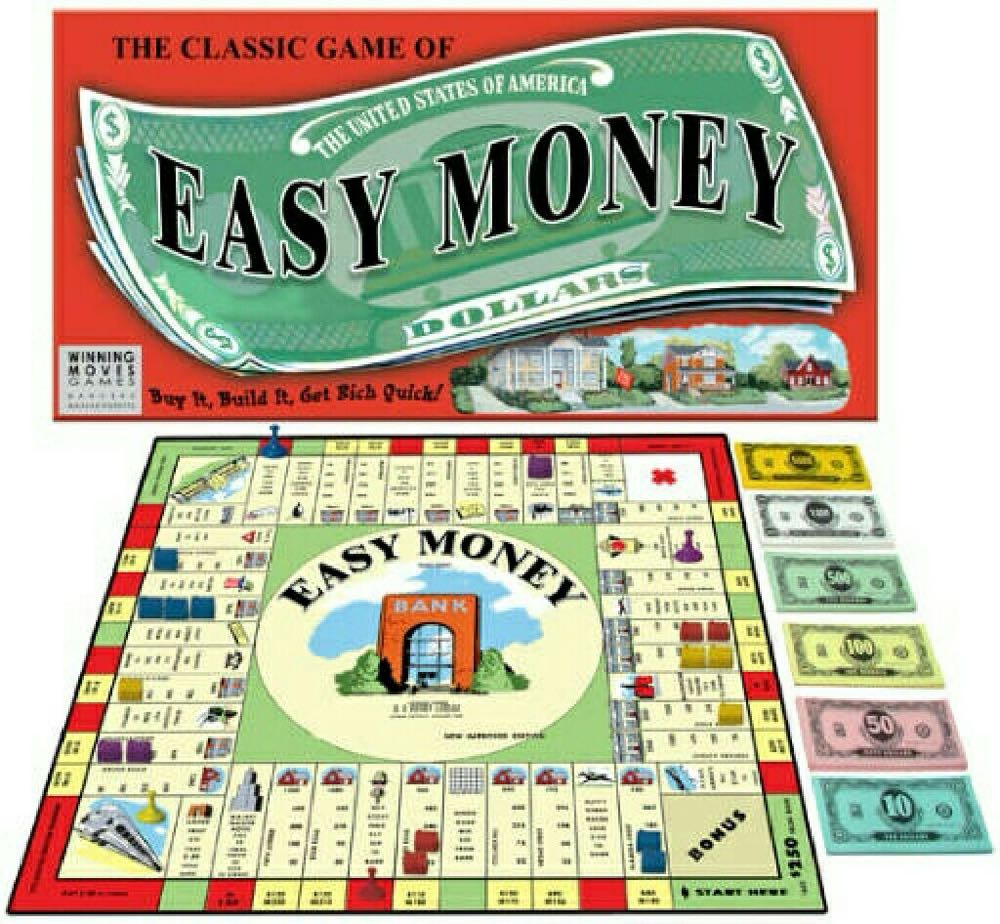
Easy Money
The Classic Game of Easy Money. Making money was never so easy! Created by Reuben Klamer for Milton Bradley in 1956.
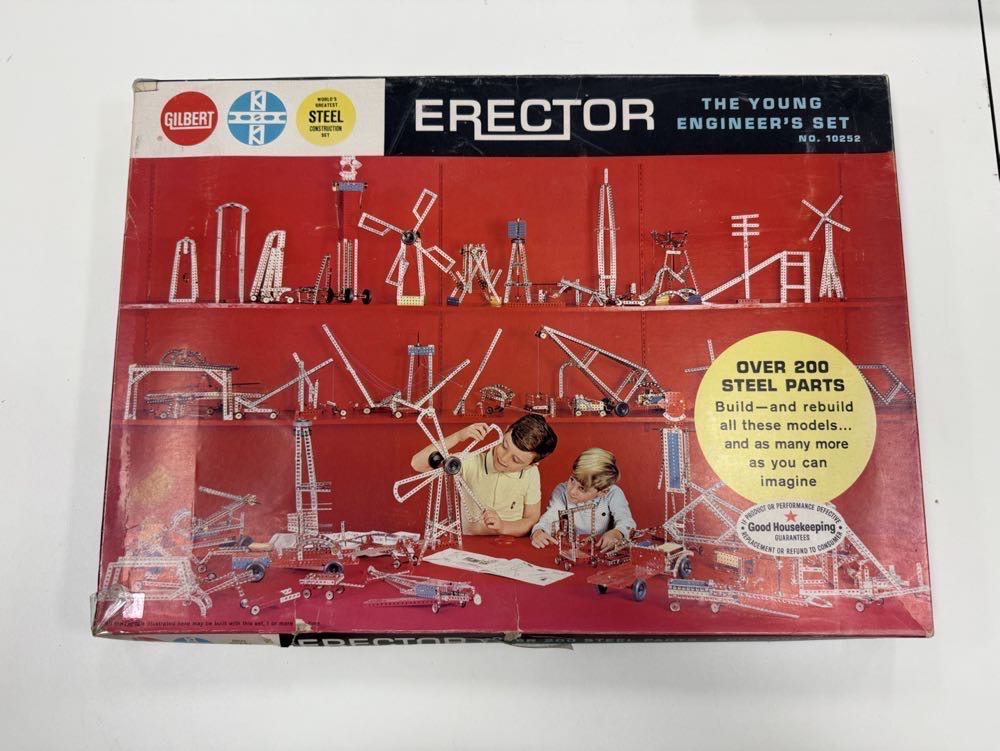
Erector
Erector™ Construction Set Including both The Master Builder's Set and The Young Engineer's Set. Created by Reuben Klamer for Gilbert.
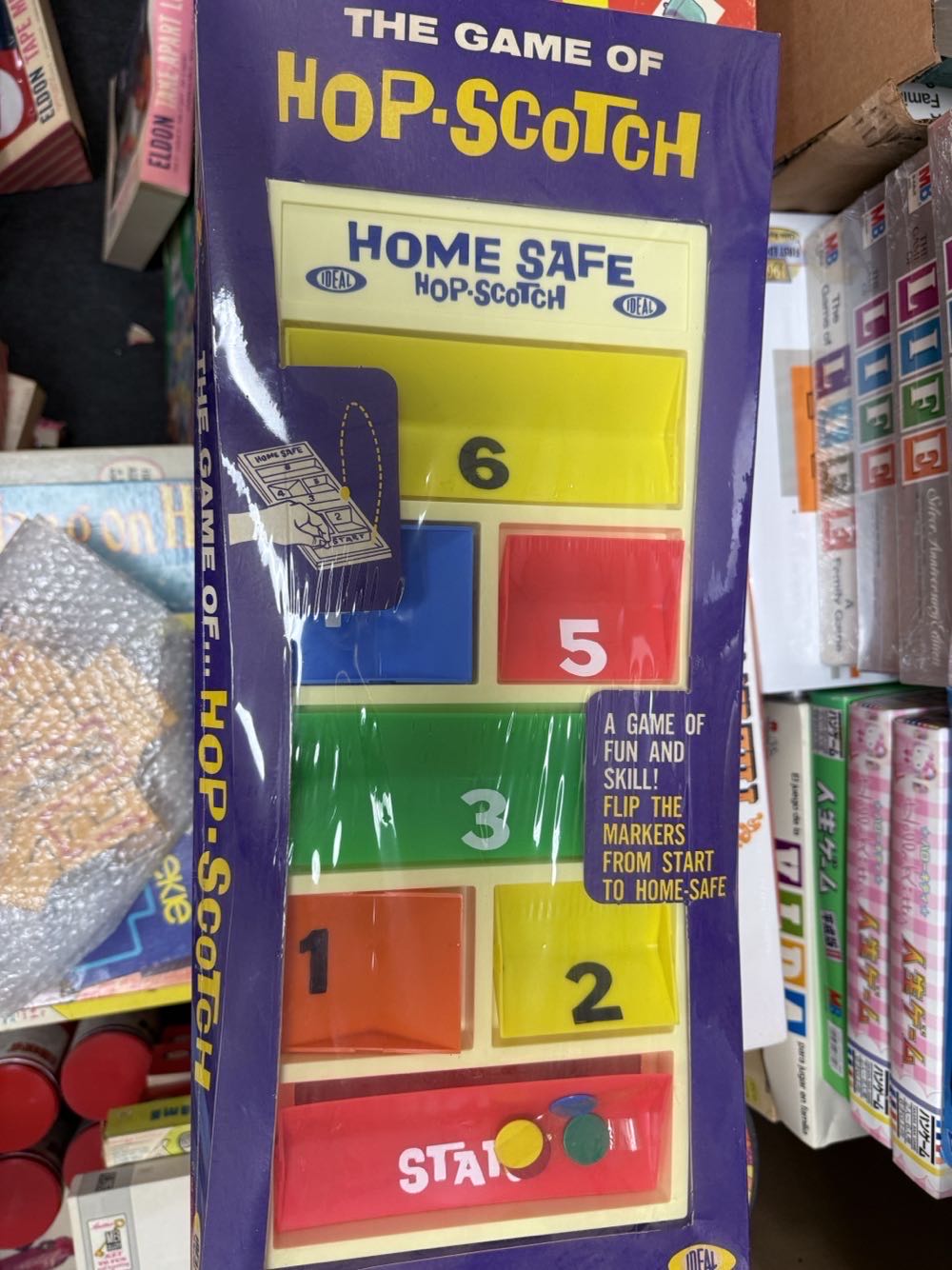
Game Of Hopscotch, The
Hopscotch game by Reuben Klamer. Manufactured under license from toy development Center, Inc.. 1964 ideal toy corporation.
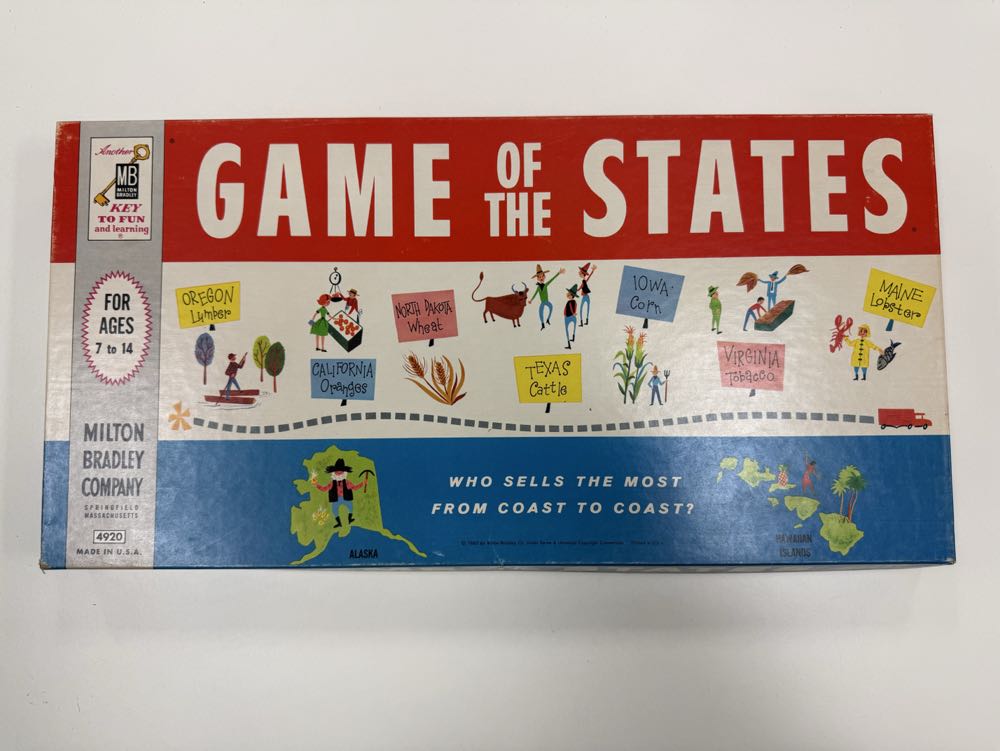
Game Of The States #1 (1960)
This game teaches the location of each of the states, the capital city, and its important industries and products. The object of the game is to buy a product in one state, and haul it on a truck to another state where…
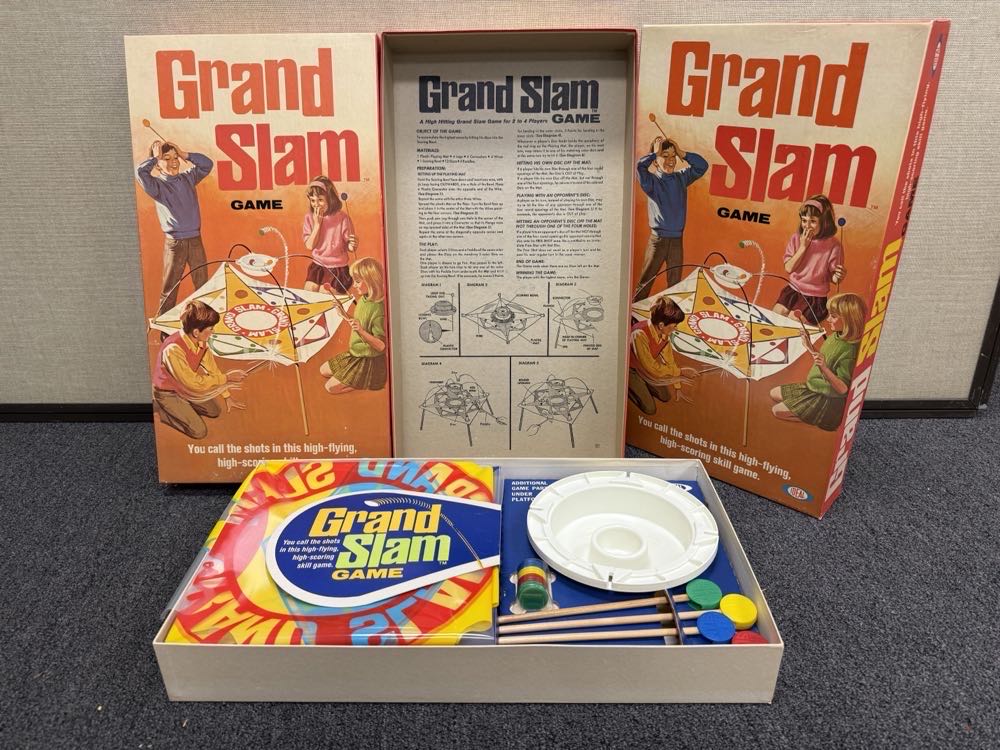
Grand Slam Game
Grand Slam Game, a physical tabletop game involving launching balls or pucks onto a scoring platform. The tagline reads: “You call the shots in this high-flying, high-scoring skill game.” Reuben Klamer created and…
Read existing Toylab catalog note
Grand Slam Game, a physical tabletop game involving launching balls or pucks onto a scoring platform. The tagline reads: “You call the shots in this high-flying, high-scoring skill game.” Reuben Klamer created and developed the Grand Slam Game. He is credited with creating this game as part of his prolific career in toy and game invention during the 1960s and 1970s. Klamer worked extensively with companies like Ideal Toy Company (whose logo is visible on the box), and he was known for designing high-concept, hands-on games with innovative mechanical features—this game being one of them. Grand Slam fits his signature style: active, skill-based gameplay with tactile components. ⸻ Summary of the Game: • Released: Likely mid-to-late 1960s. • Published by: Ideal Toy Corporation. • Gameplay: Players use launch sticks to flip discs or pucks toward a raised scoring platform (as illustrated on the box cover and instructions). • Objective: Aim for target zones to score points—requiring coordination and timing.
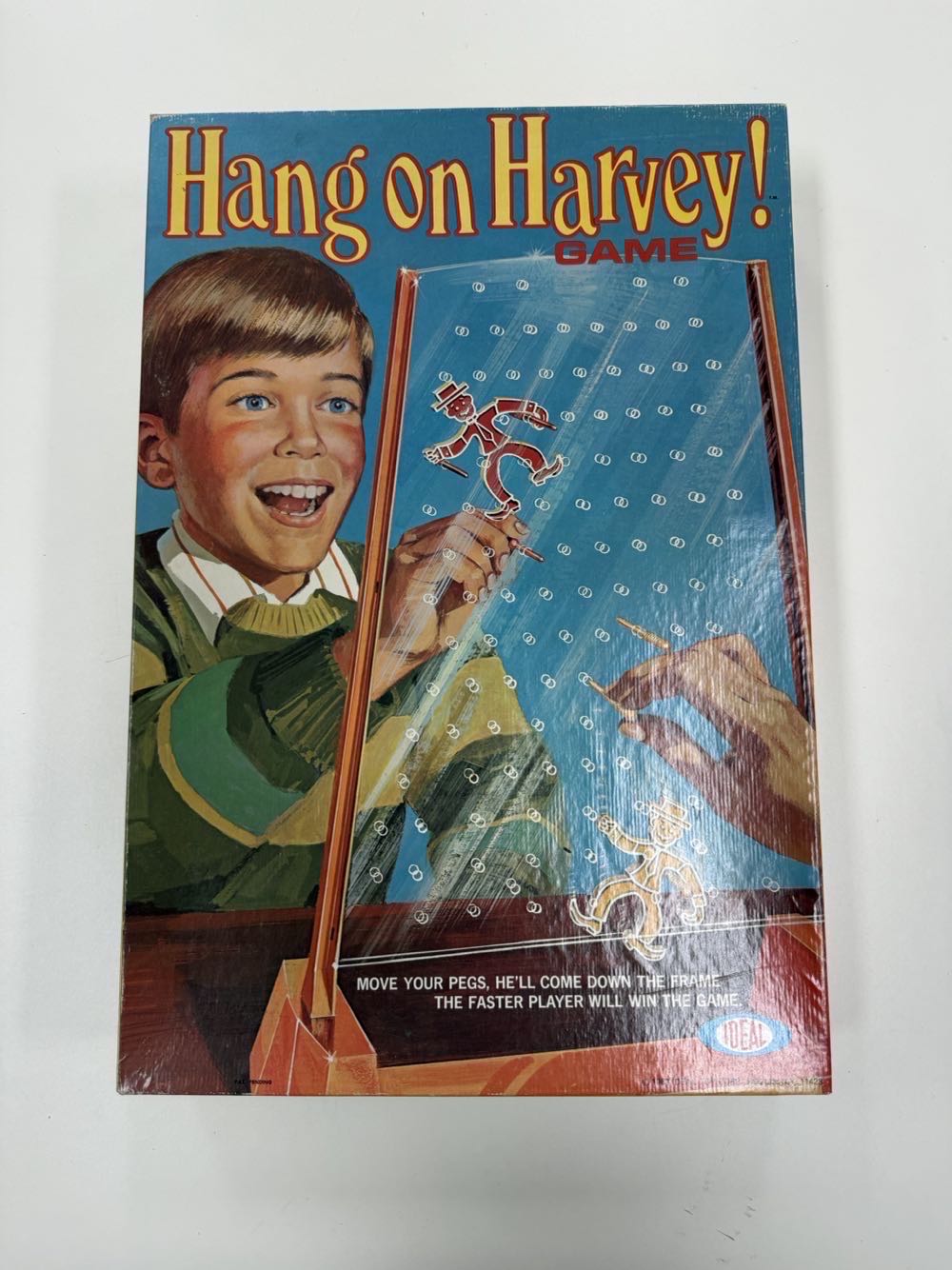
Hang On Harvey!
Move your pegs, he’ll come down the frame. The faster player will win the game.
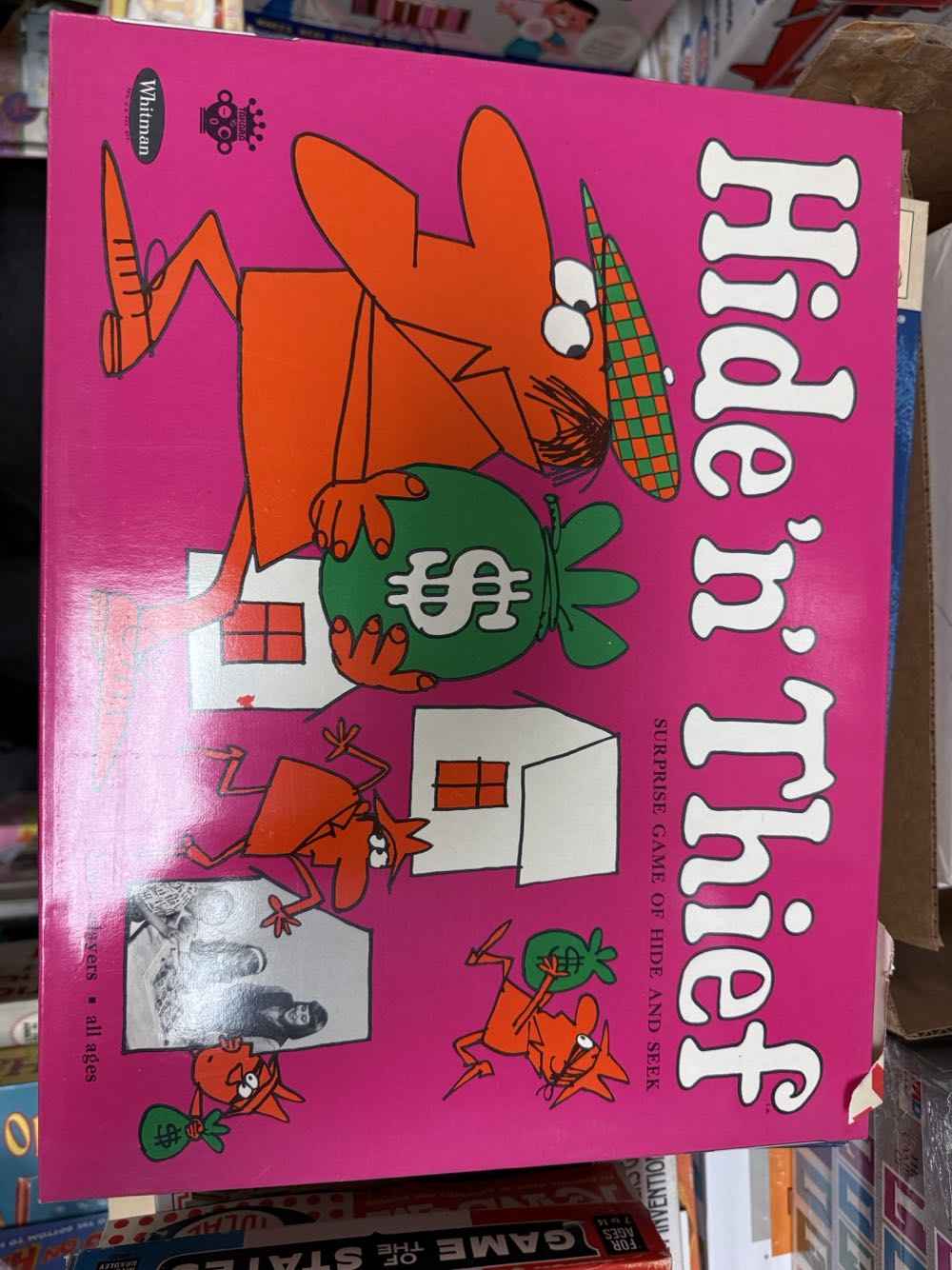
Hide N Theif
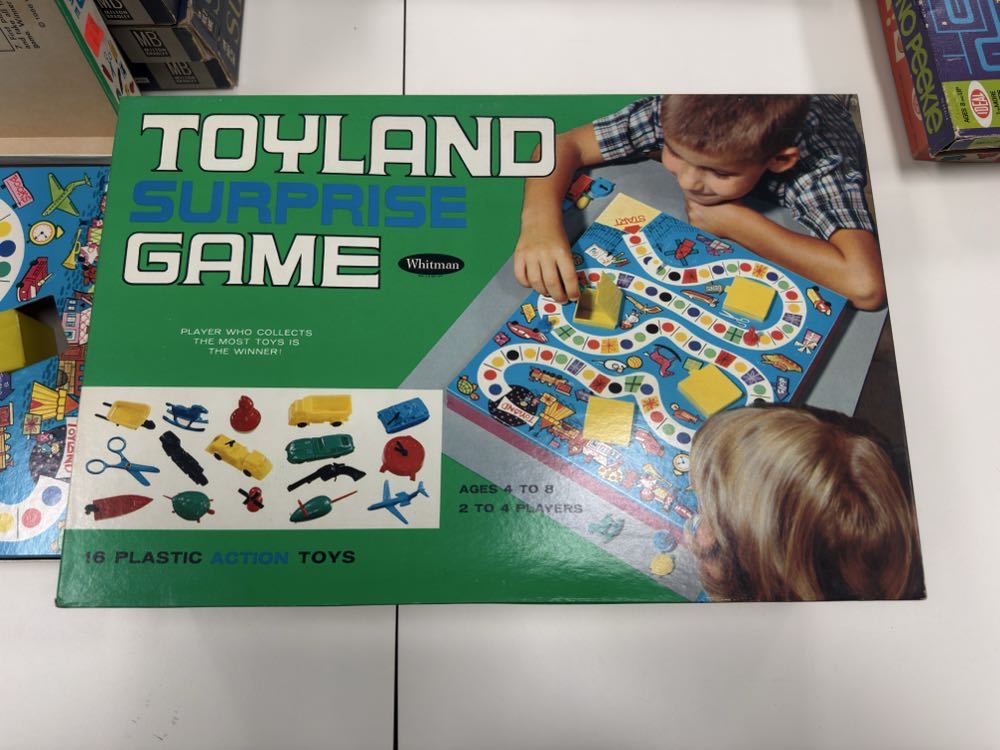
Hide 'n Thief Game A surprise game of hide and seek! Created by Reuben Klamer for Whitman Games.
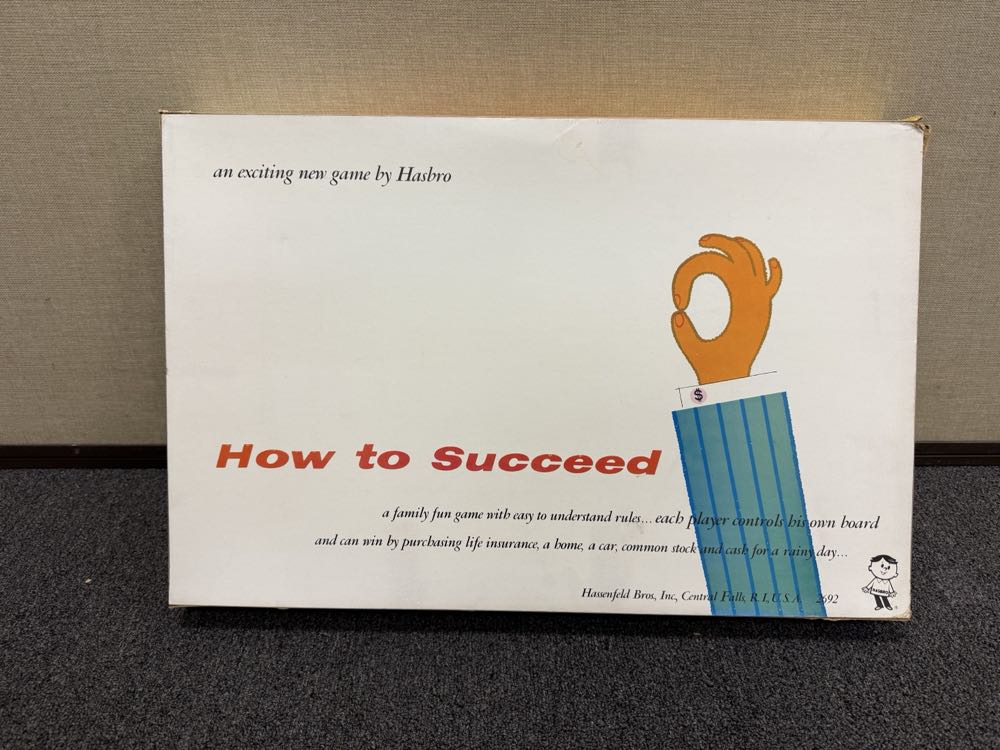
How To Succeed
Description: “How to Succeed” — a financial strategy board game produced by Hasbro (then Hassenfeld Bros., Inc.) and created by Reuben Klamer in the early 1960s. Game Overview: • Title: How to Succeed • Publisher:…
Read existing Toylab catalog note
Description: “How to Succeed” — a financial strategy board game produced by Hasbro (then Hassenfeld Bros., Inc.) and created by Reuben Klamer in the early 1960s. Game Overview: • Title: How to Succeed • Publisher: Hassenfeld Bros., Inc. (now Hasbro) • Tagline: “A family fun game with easy to understand rules…” • Goal: Each player controls their own board and “succeeds” by acquiring: • Life insurance • A home • A car • Common stock • Cash for a rainy day It blends economic simulation and goal setting, similar in spirit to The Game of Life, but more grounded in everyday financial decisions rather than life milestones. How to Succeed was created under the direction of Reuben Klamer, the same inventor behind The Game of Life. Klamer had a long-standing relationship with Hasbro and was instrumental in designing games that both entertained and educated. This particular title was part of Hasbro’s early push toward games focused on real-world skills and personal success — a notable cultural theme in 1960s America.
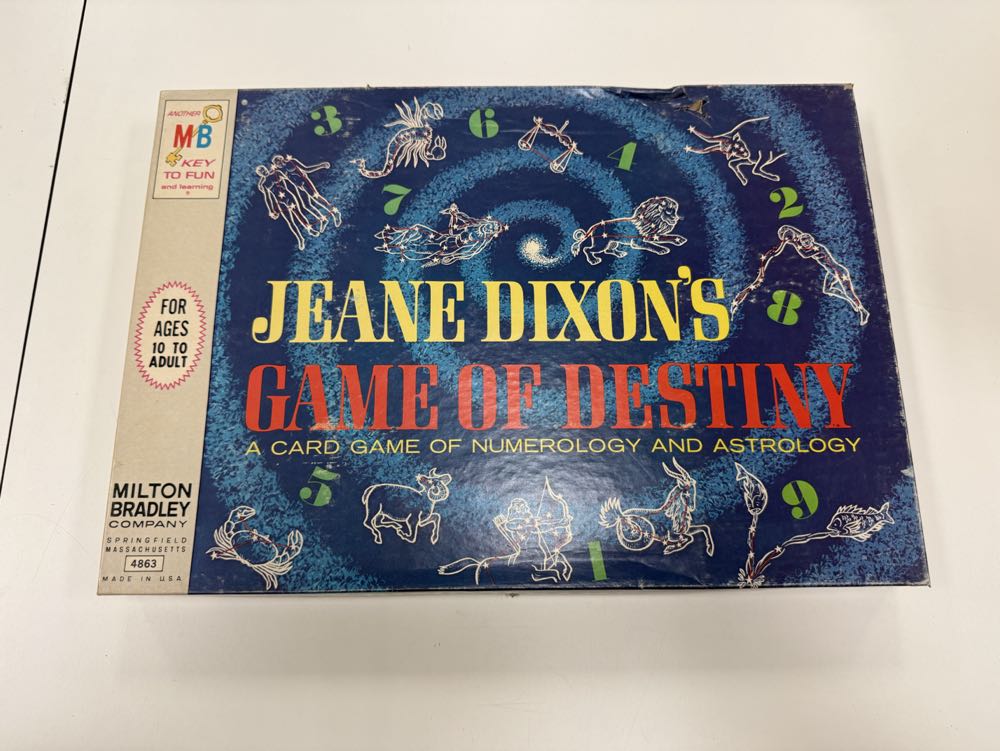
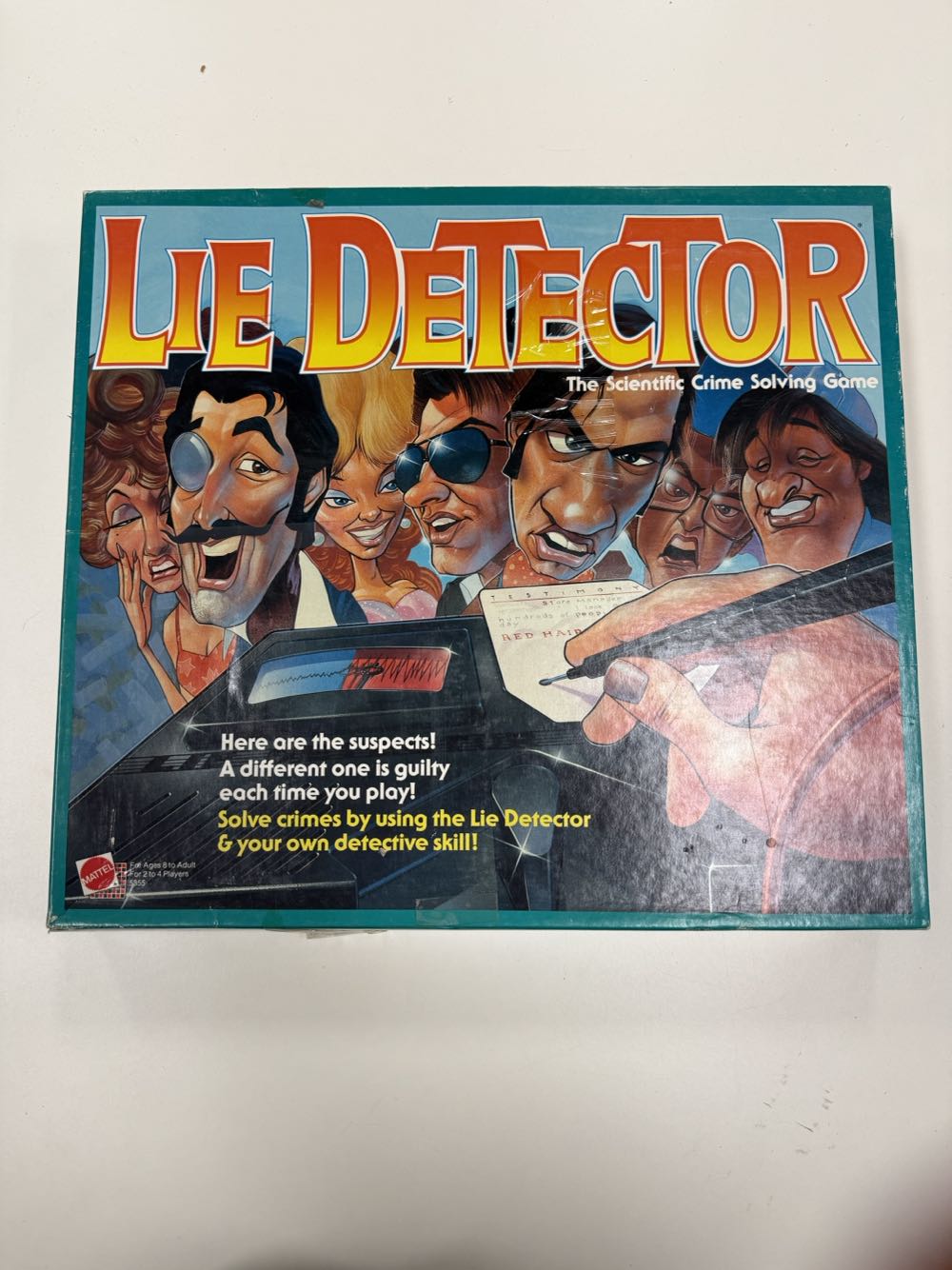
Lie Detector (1987 edition)
This record is included in the Klamer family collection while attribution and supporting documentation are reviewed.
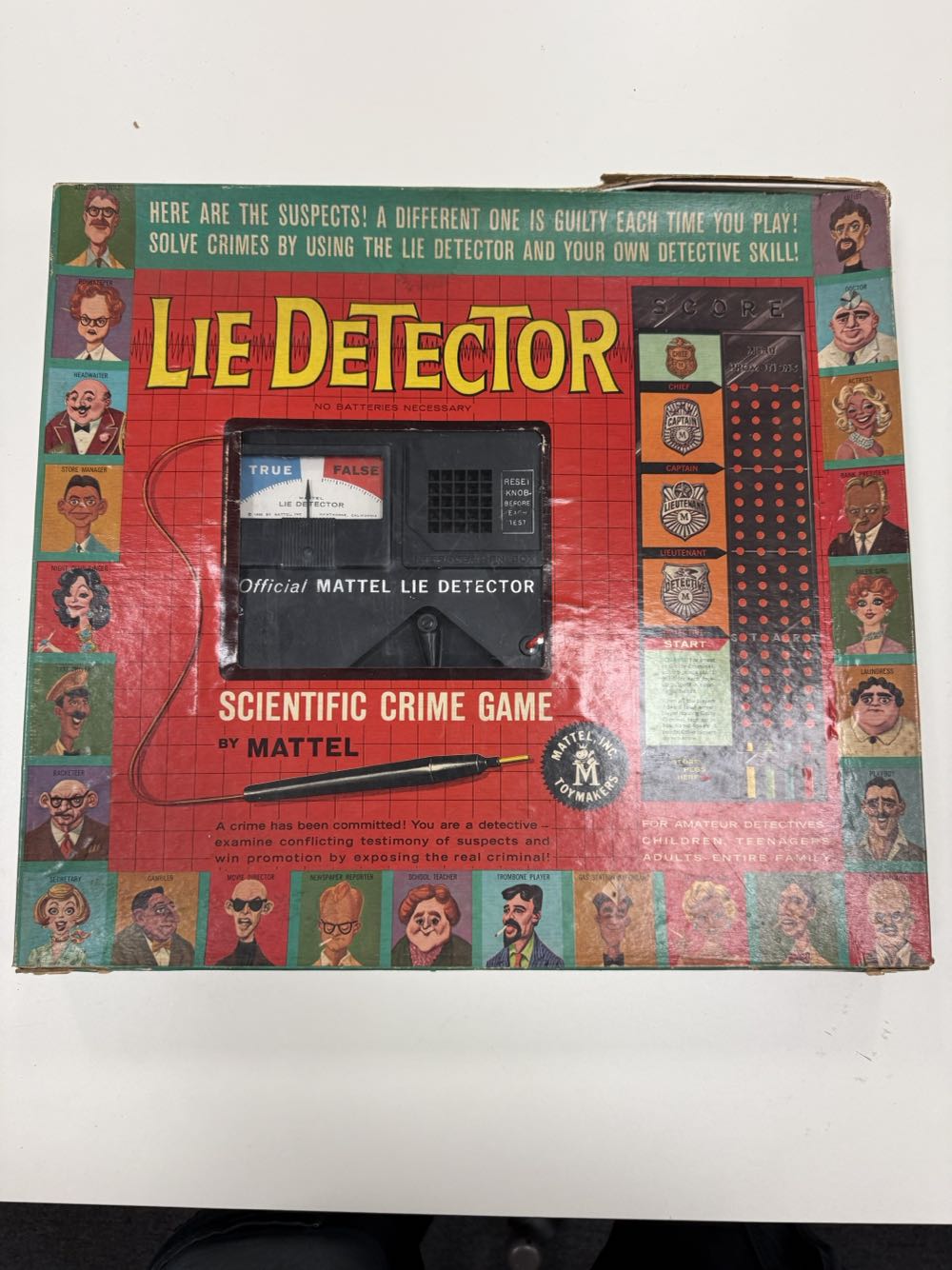
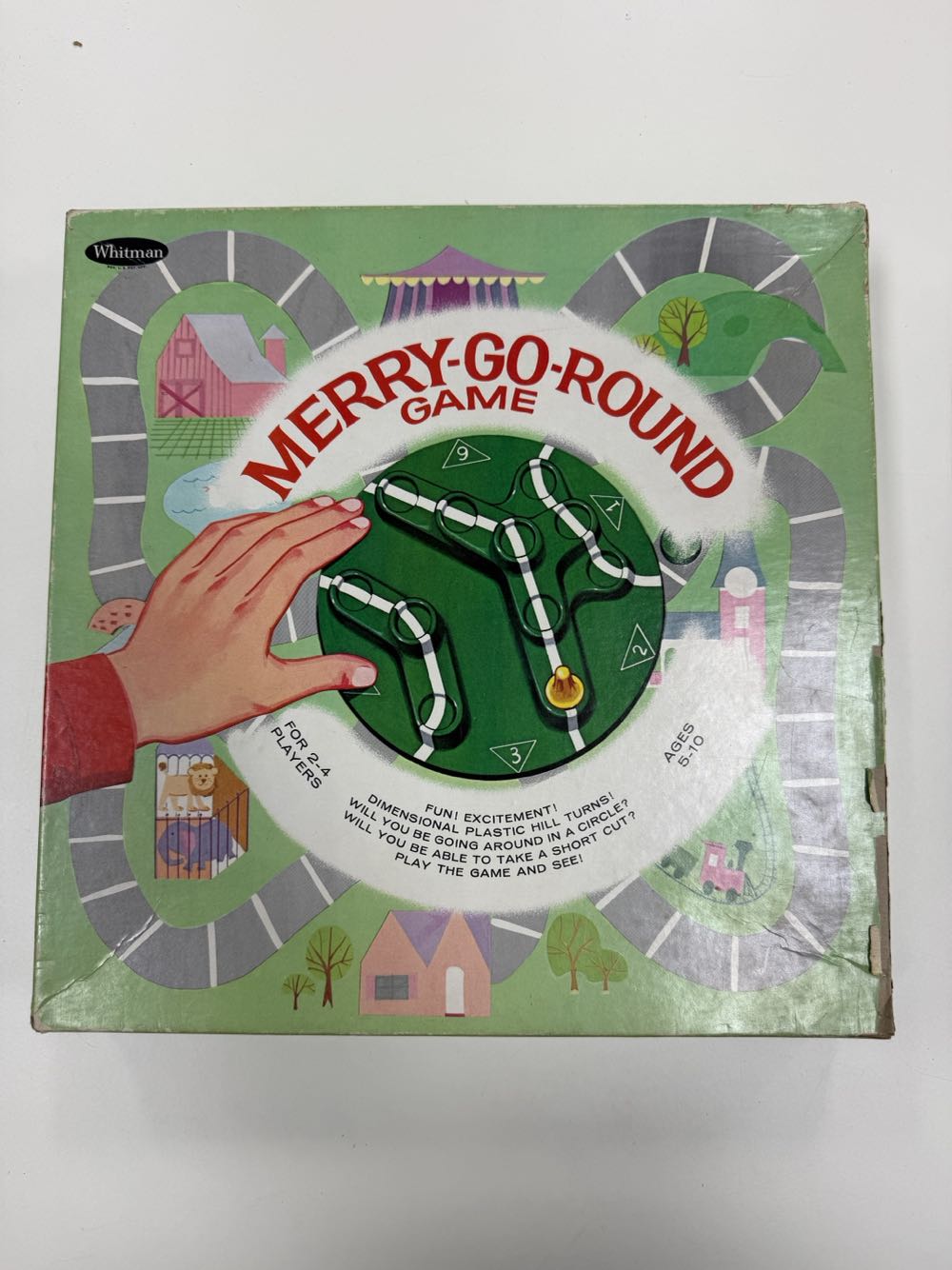
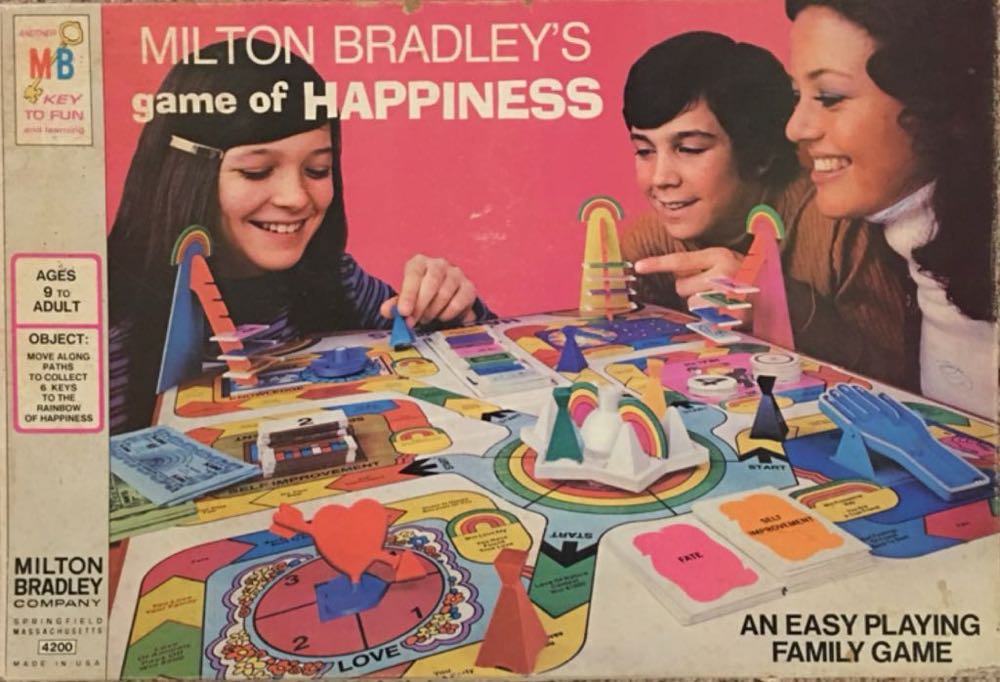
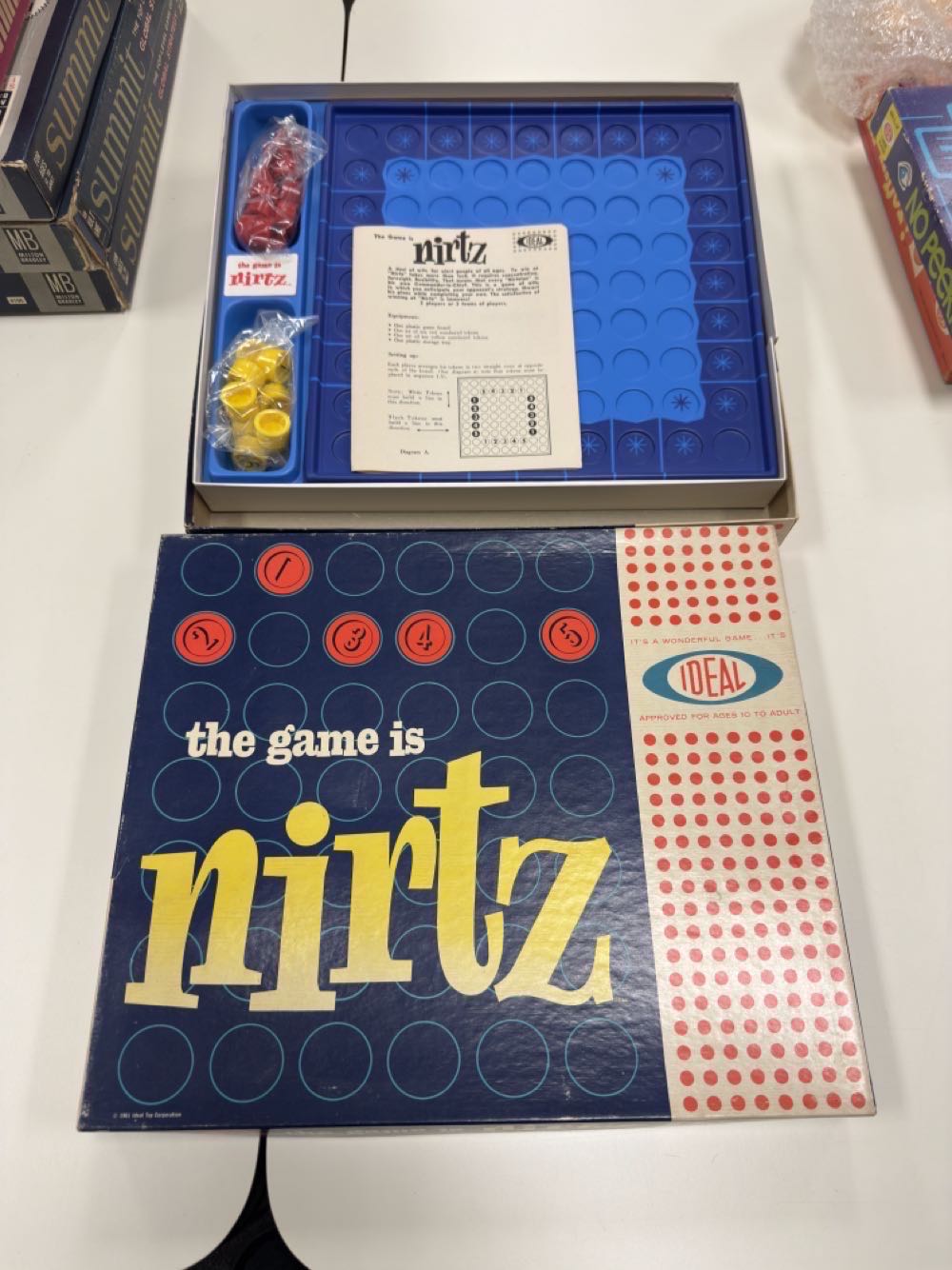
Nirtz (aka The Game Is Nirtz)
This record is included in the Klamer family collection while attribution and supporting documentation are reviewed.
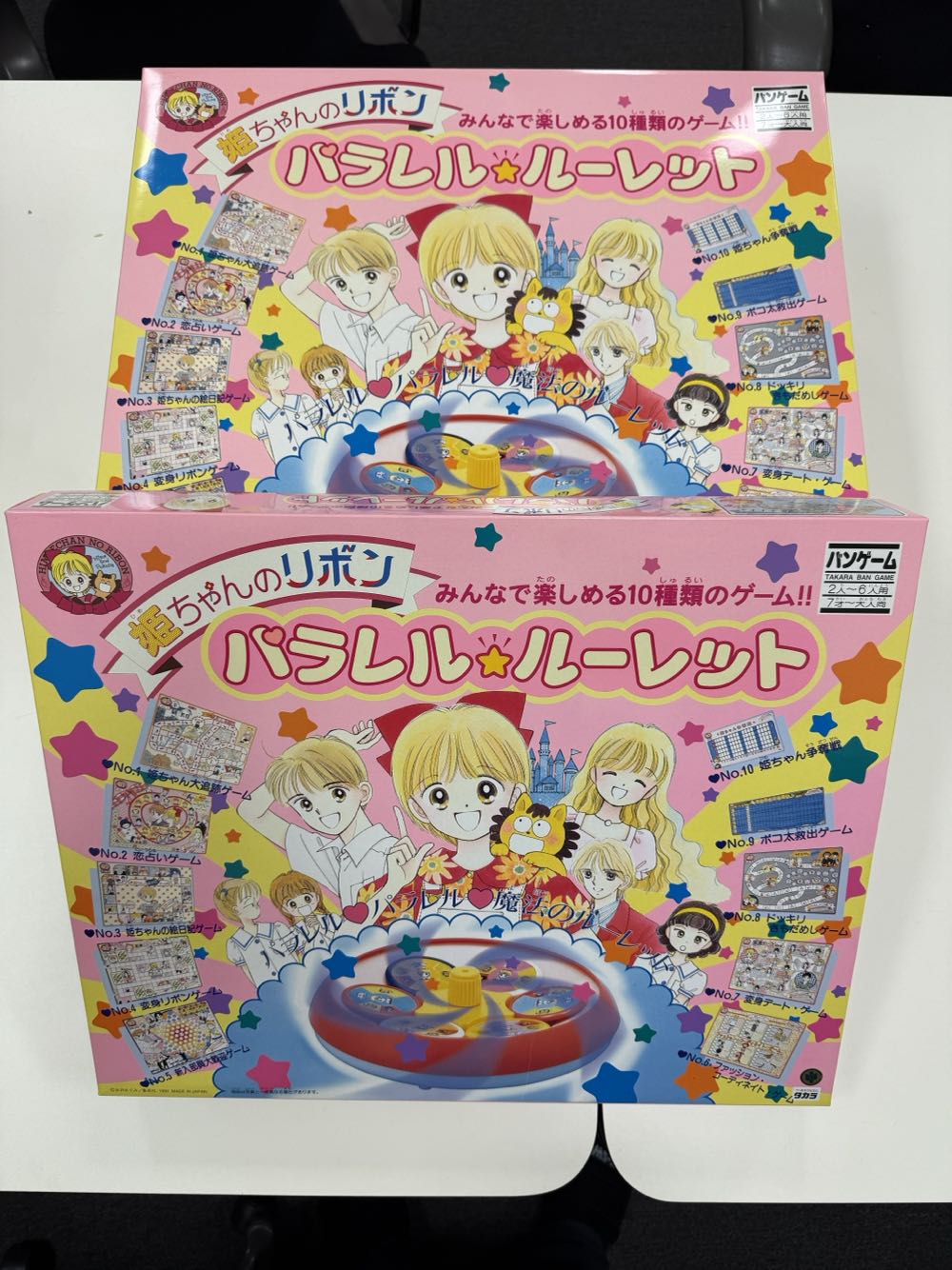
Parallel Roulette 姫ちゃんのリボン パラレル☆ルーレット(パーティーゲーム)
Included for collection, licensing, or development context; the public record credits Takara.
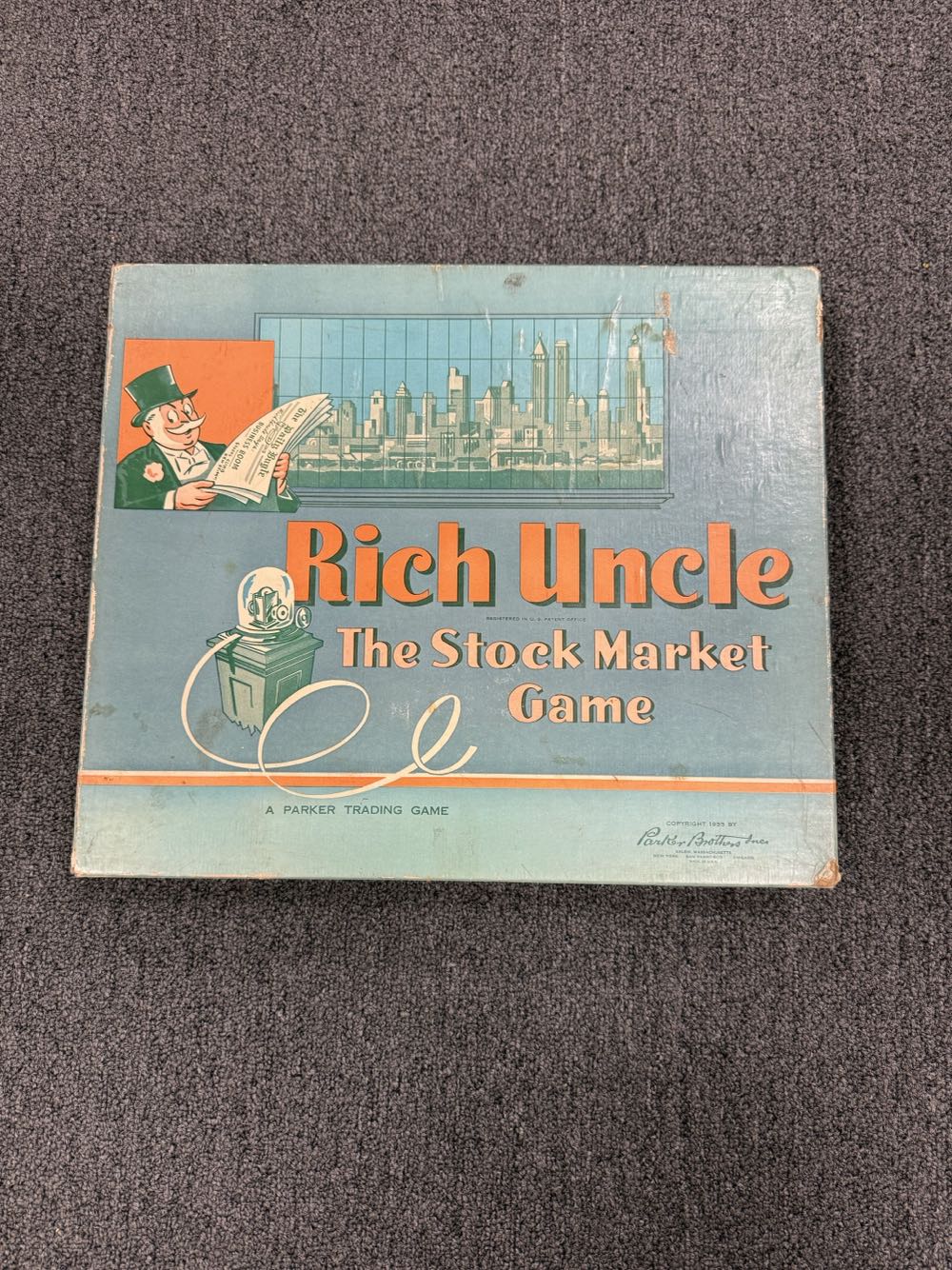
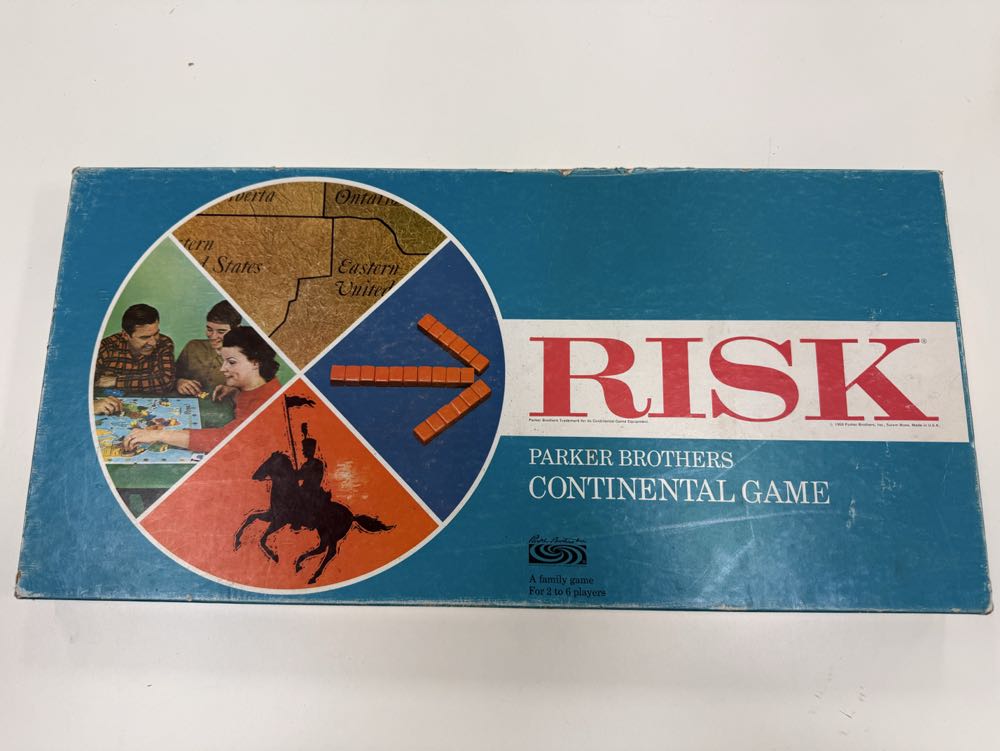
Risk
This record is included in the Klamer family collection while attribution and supporting documentation are reviewed.
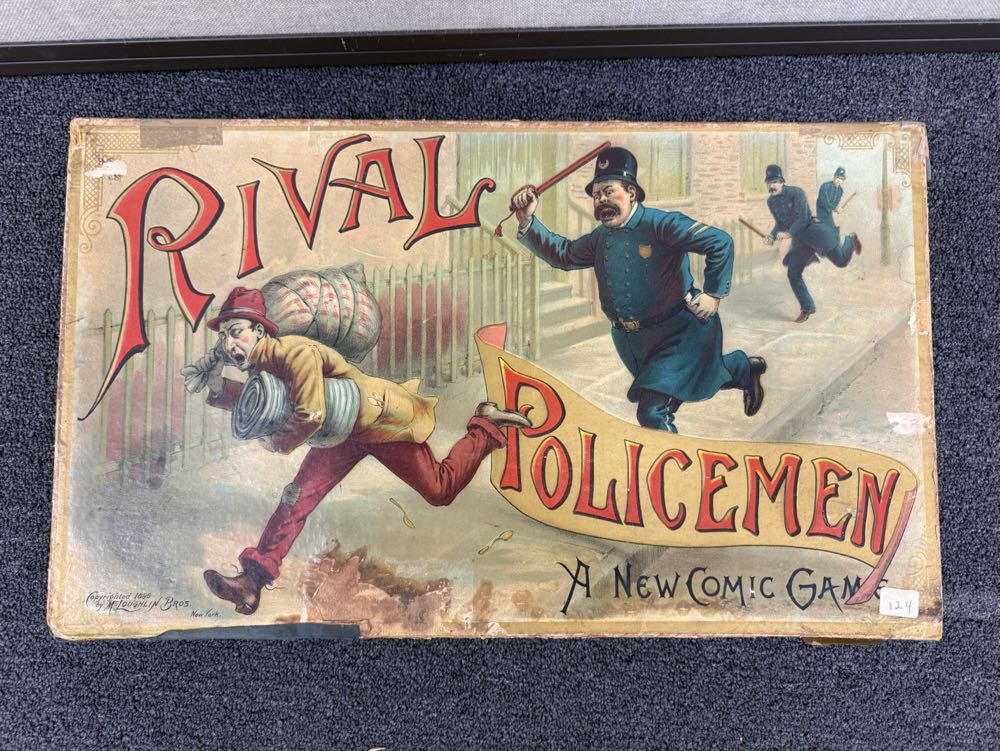
Rival Policemen: A New Comic Game
This record is included in the Klamer family collection while attribution and supporting documentation are reviewed.
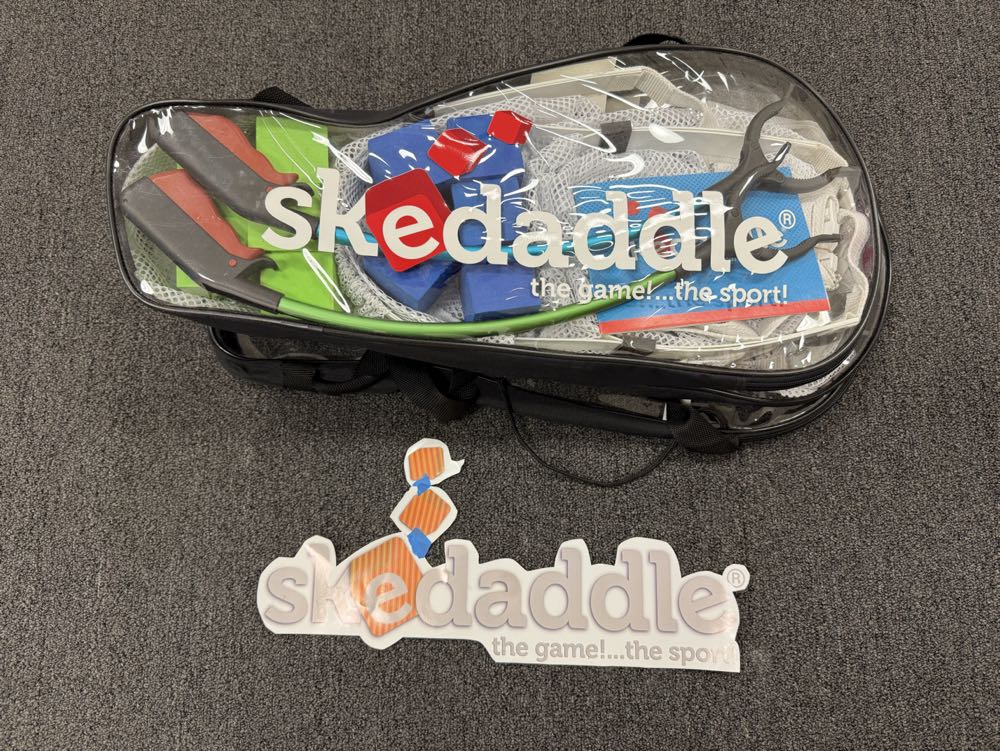
Skeedaddle
A fun party game for adults and kids! Looking to market and mass produce this game. A Reuben Klamer creation.
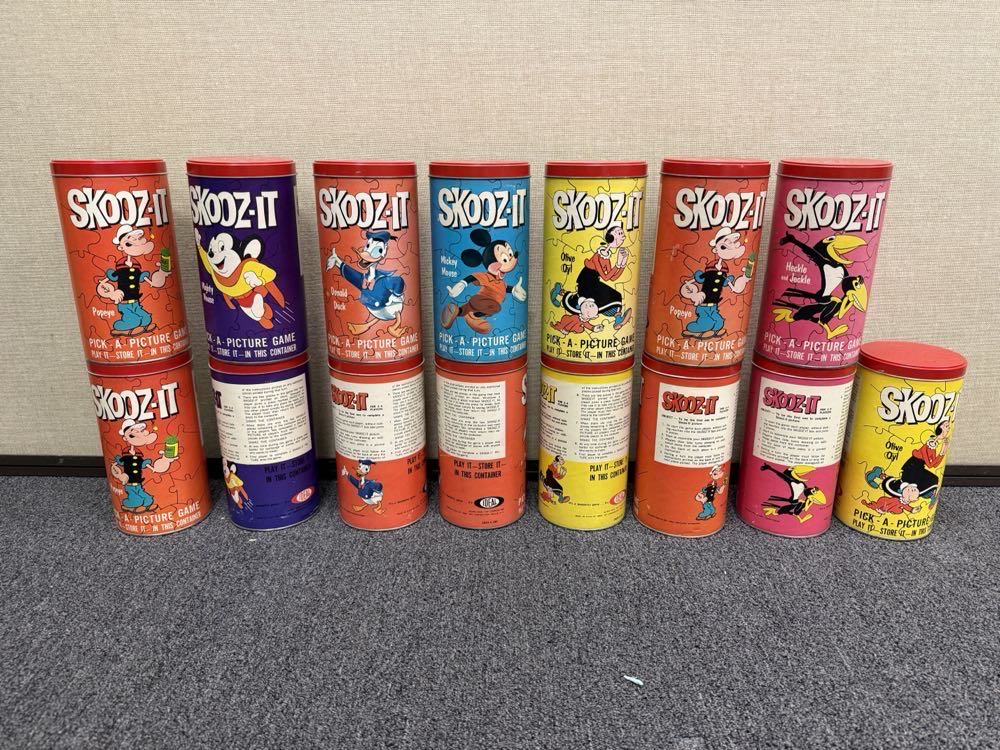
SKOOZ-IT
SKOOZ-IT Pick-A-Picture Games, produced by Ideal Toy Corporation, likely during the 1950s to early 1960s. Each cylindrical container featured a popular cartoon character—such as Donald Duck, Mickey Mouse, Popeye,…
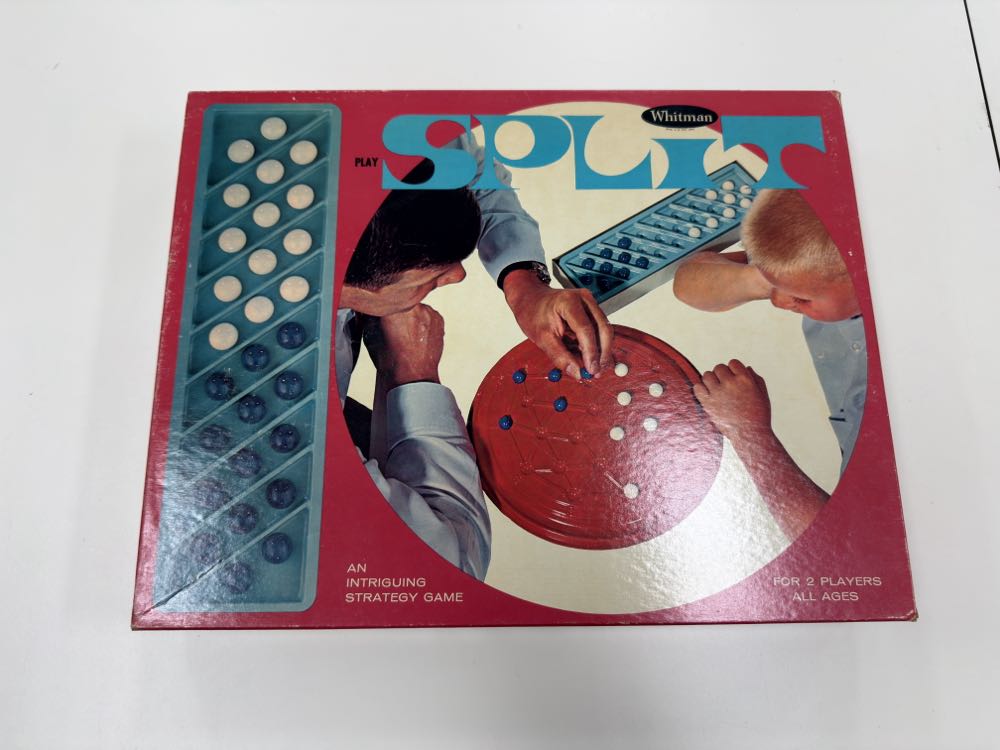
Split
This record is included in the Klamer family collection while attribution and supporting documentation are reviewed.
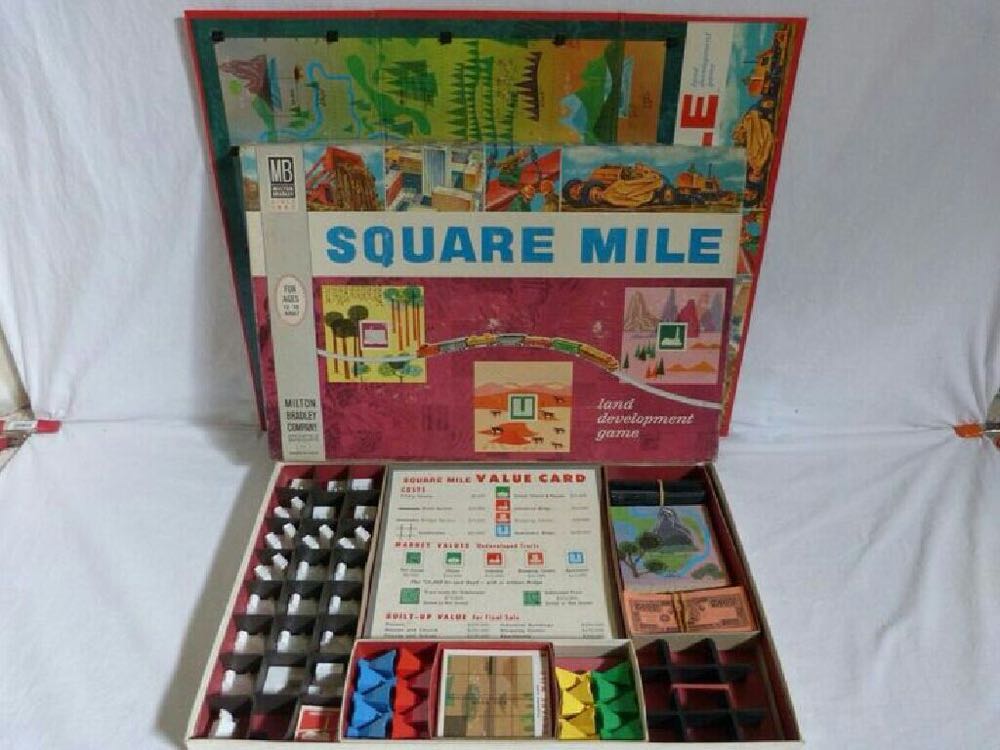
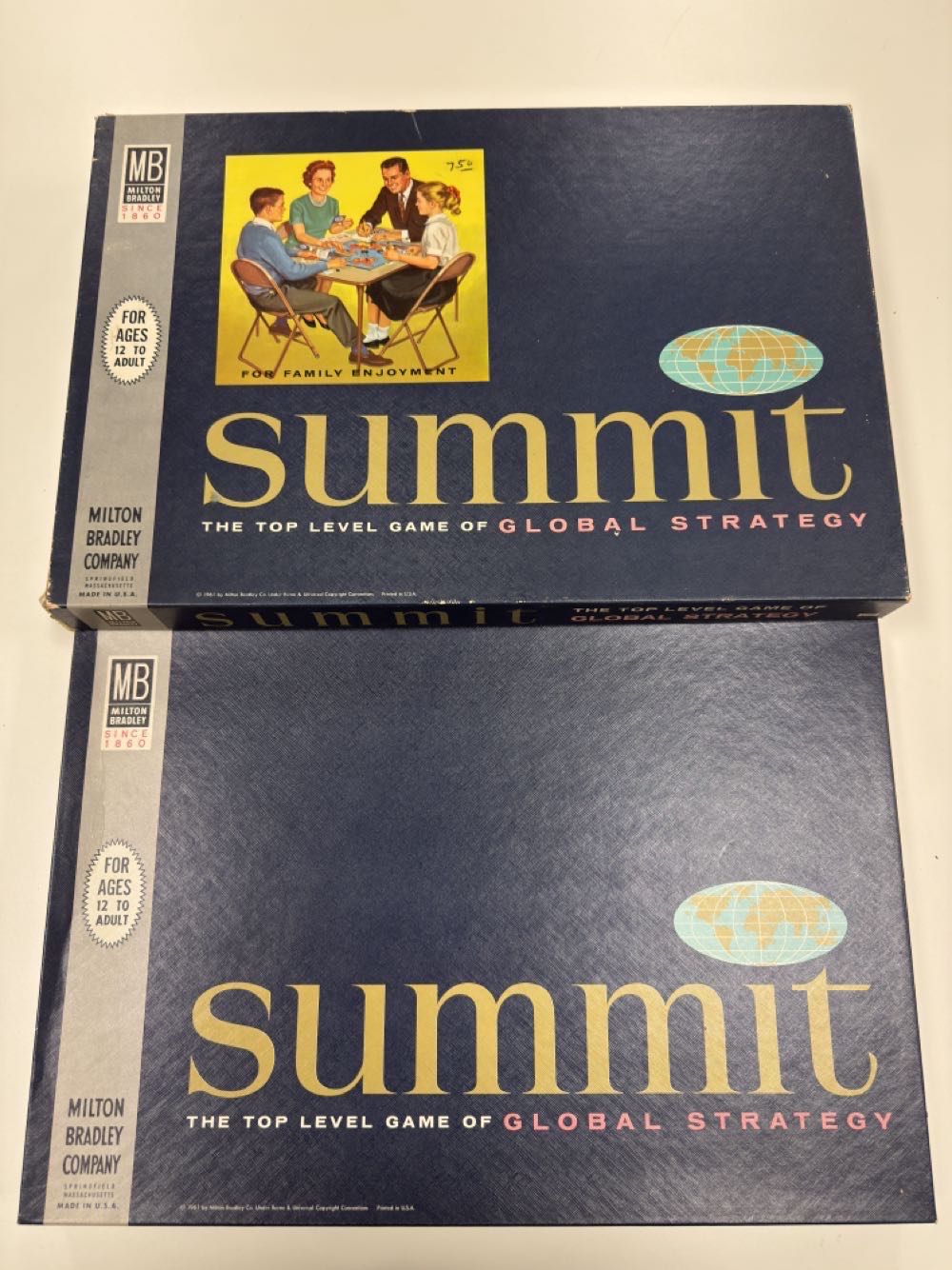
Summit
A simulation of the Cold War. Each player (a major power) allocates his resources to building military bases, steel mills or consumer goods factories both home and abroad. Since foreign presences are essentially…
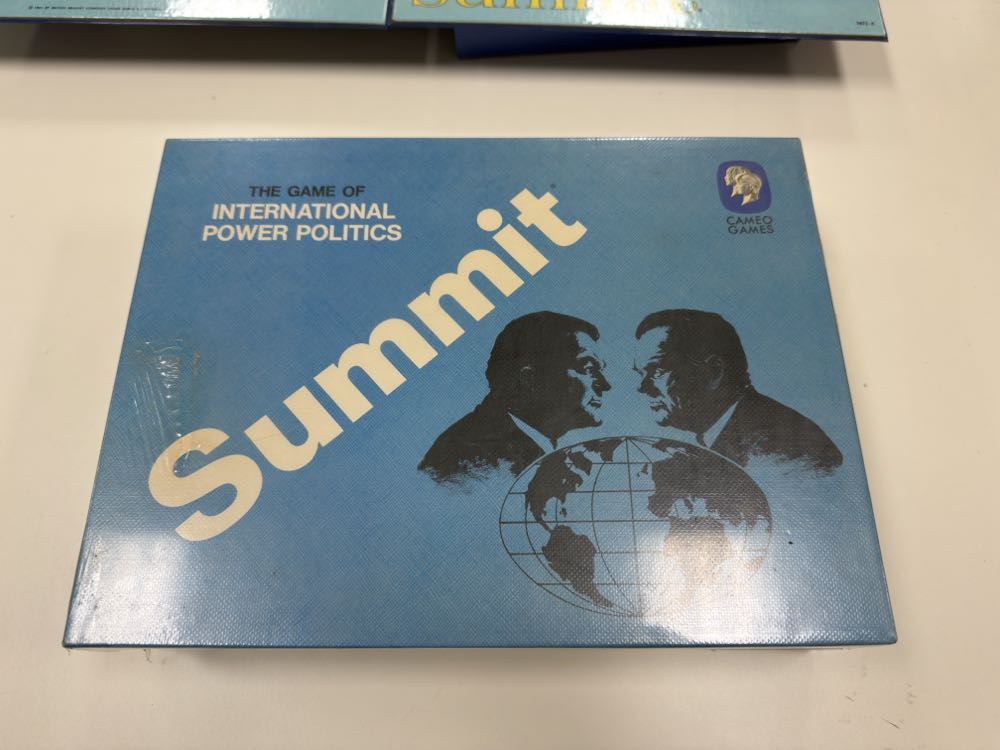
Summit The Game Of International Politics
This record is included in the Klamer family collection while attribution and supporting documentation are reviewed.
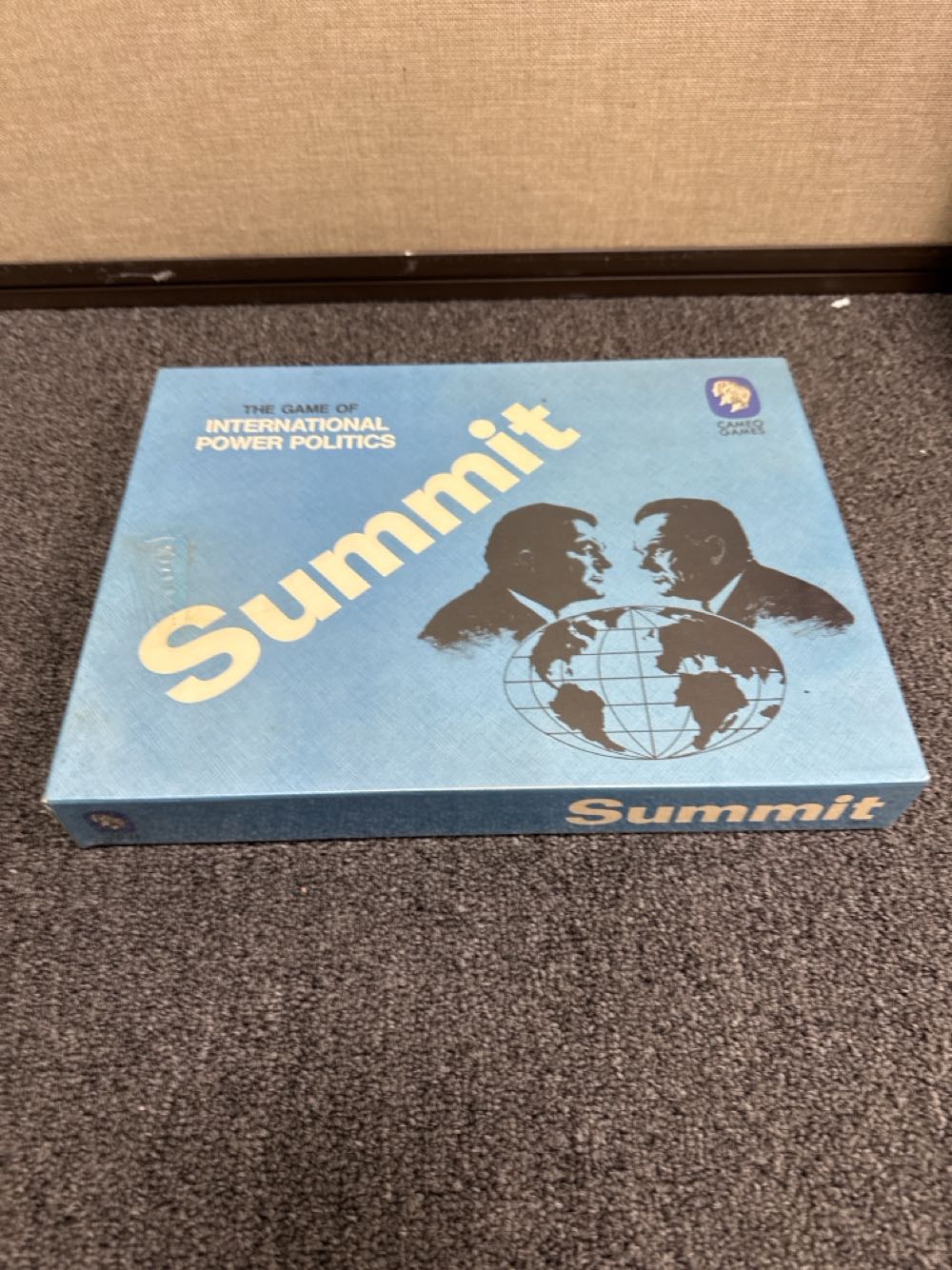
Summit: The Game Of International Power Politics
“Summit: The Game of International Power Politics.”
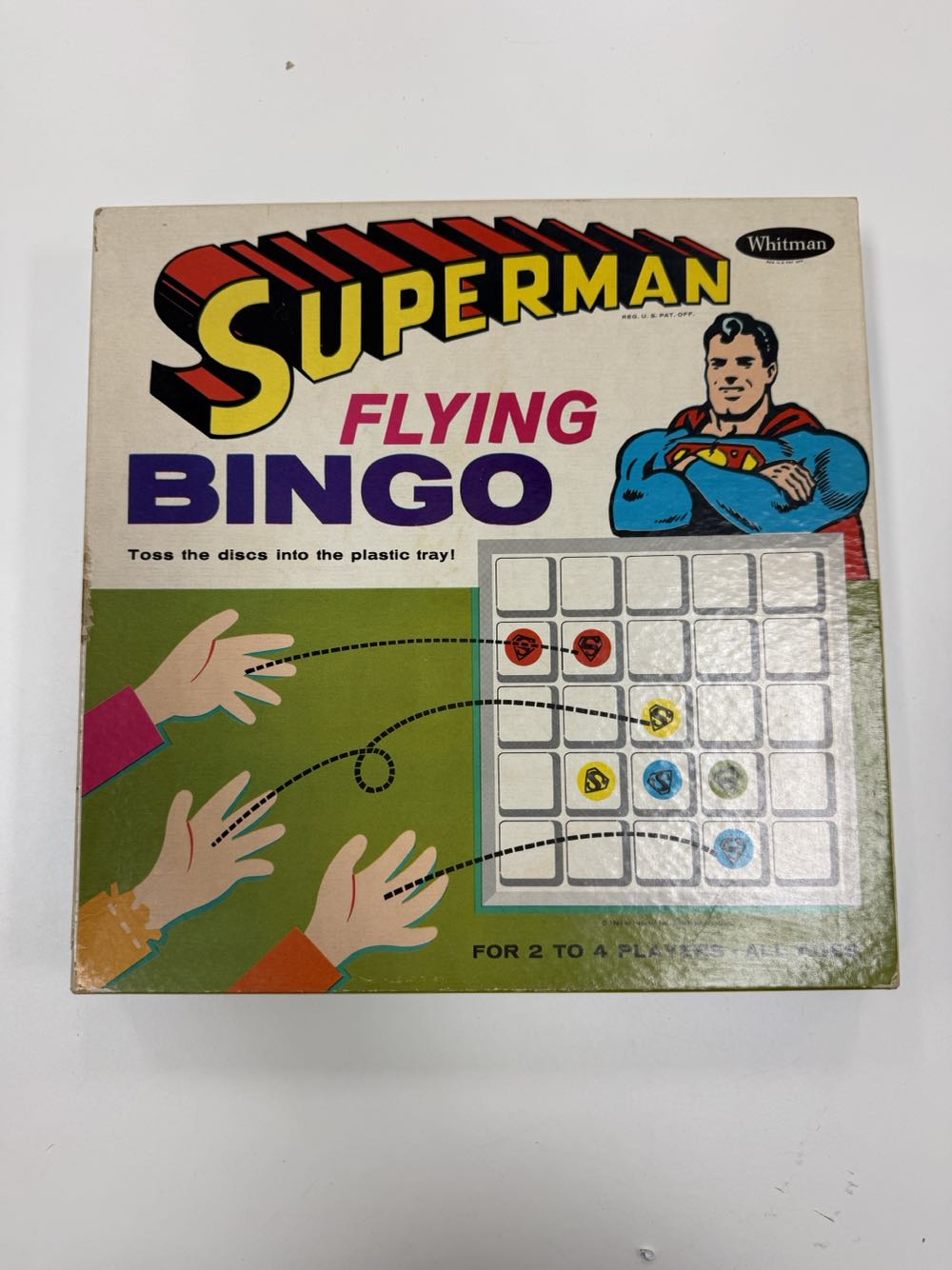
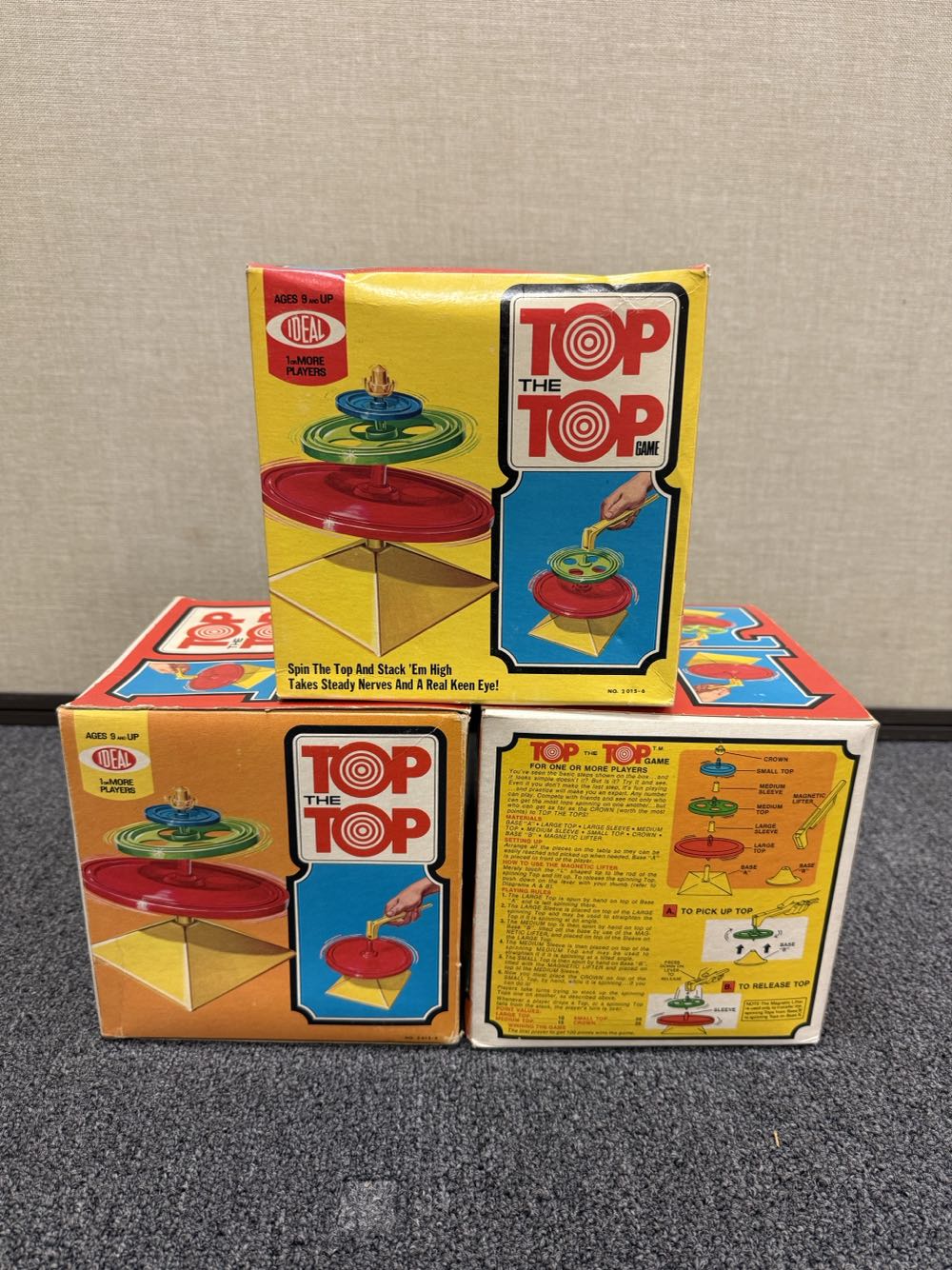
The Top Top Game
Included for collection, licensing, or development context; the public record credits Eddie Goldfarb.
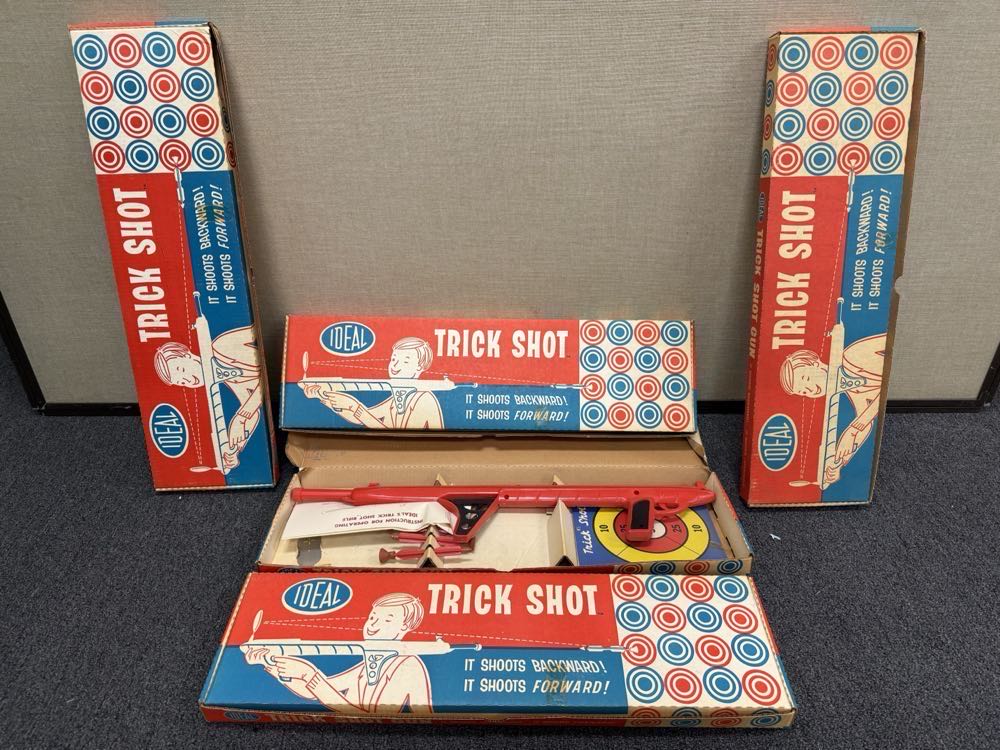
Trick Shot
Trick Shot Rifle by Ideal Toy Corporation, likely from the late 1950s to early 1960s. The box proclaims:
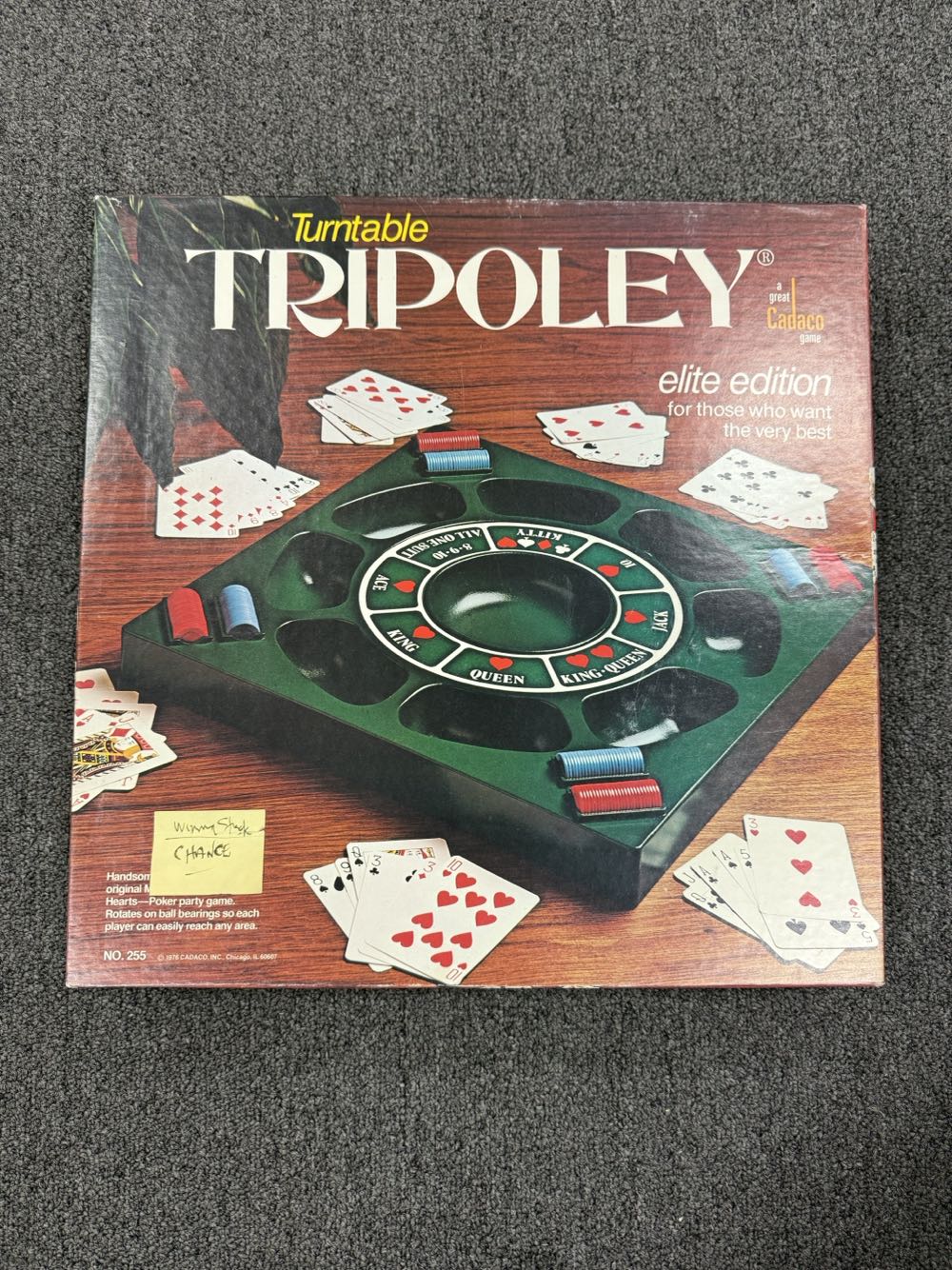
Tripoly Special Edition No. 300
This record is included in the Klamer family collection while attribution and supporting documentation are reviewed.
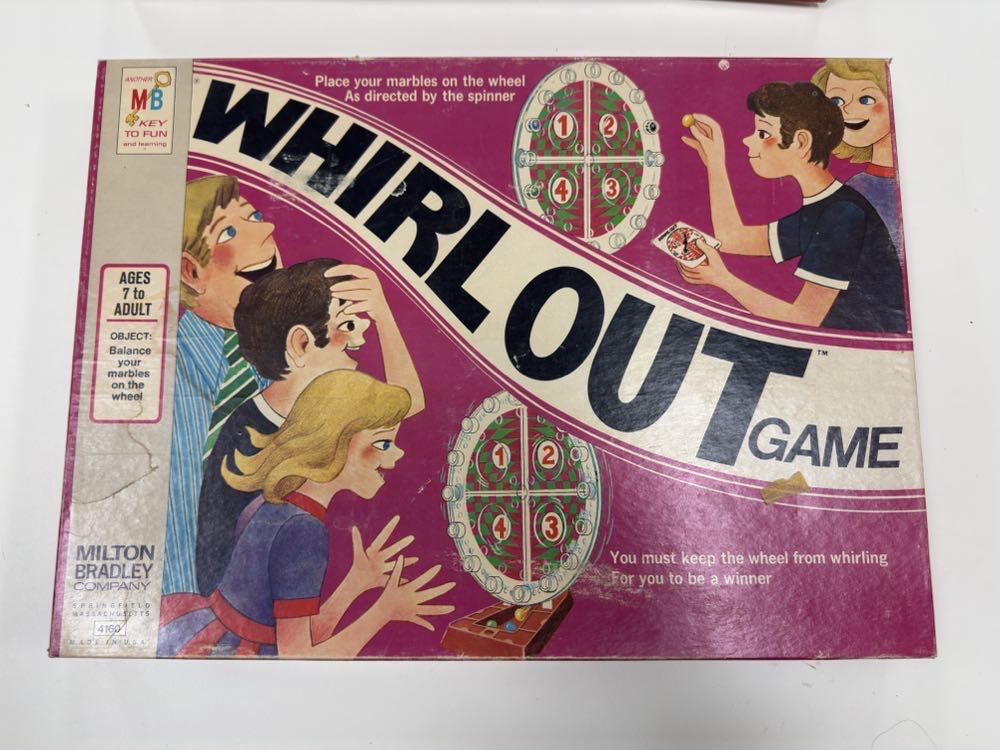
Whirl Out Game
Whirl Out Game Publisher: Milton Bradley Created by: Reuben Klamer Description: Whirl Out is a rotating wheel game where players try to get all their marbles balanced on the wheel without it turning and losing all the…
Read existing Toylab catalog note
Whirl Out Game Publisher: Milton Bradley Created by: Reuben Klamer Description: Whirl Out is a rotating wheel game where players try to get all their marbles balanced on the wheel without it turning and losing all the marbles down the chute. A spinner determines how many turns each player spins the wheel. As the box confirms, the tagline sums it up well: “Place your marbles on the wheel as directed by the spinner — you must keep the wheel from whirling for you to be a winner.” It’s a dexterity/balance game for ages 7 to adult. The core tension is that each turn, the spinner dictates how many times the wheel must be spun, and players have to carefully place marbles in the numbered quadrants of the wheel to keep it balanced. If the wheel tips and whirls, the marbles fly off.
Toys & Dolls
Dolls, figures, playsets, construction sets, activity kits, and mechanical toys
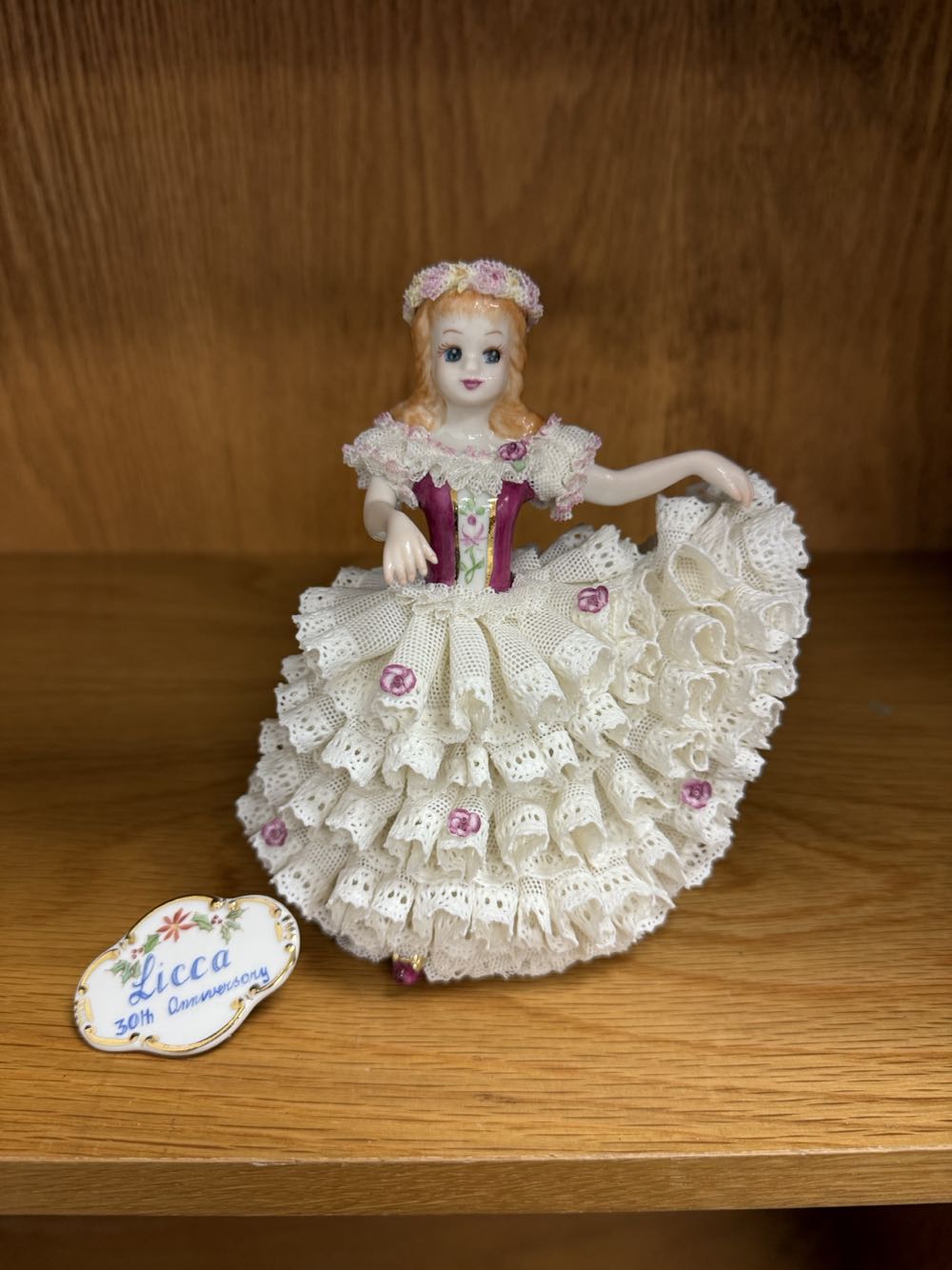
30th Anniversary released by TAKARATOMY in 1997 Irish Dresden Licca-chan II
Included for collection, licensing, or development context; the public record credits Takara Tomy.
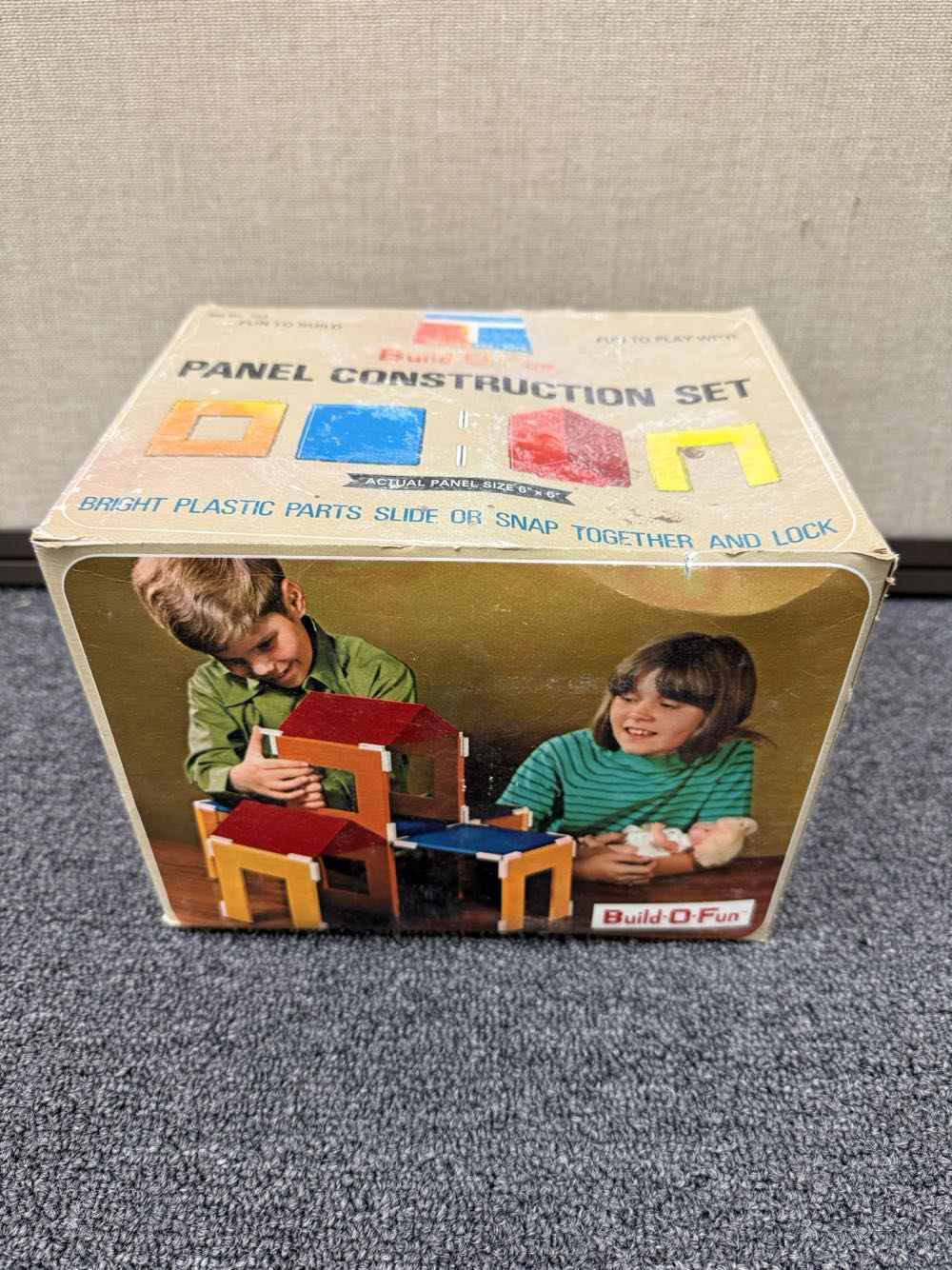
Build-O-Fun
Build-O-Fun Panel Construction Set, Set No. 103, manufactured by Tupperware under the Tuppertoys line. It features large, colorful plastic panels (red, yellow, blue, and orange) that “slide or snap together and lock,”…
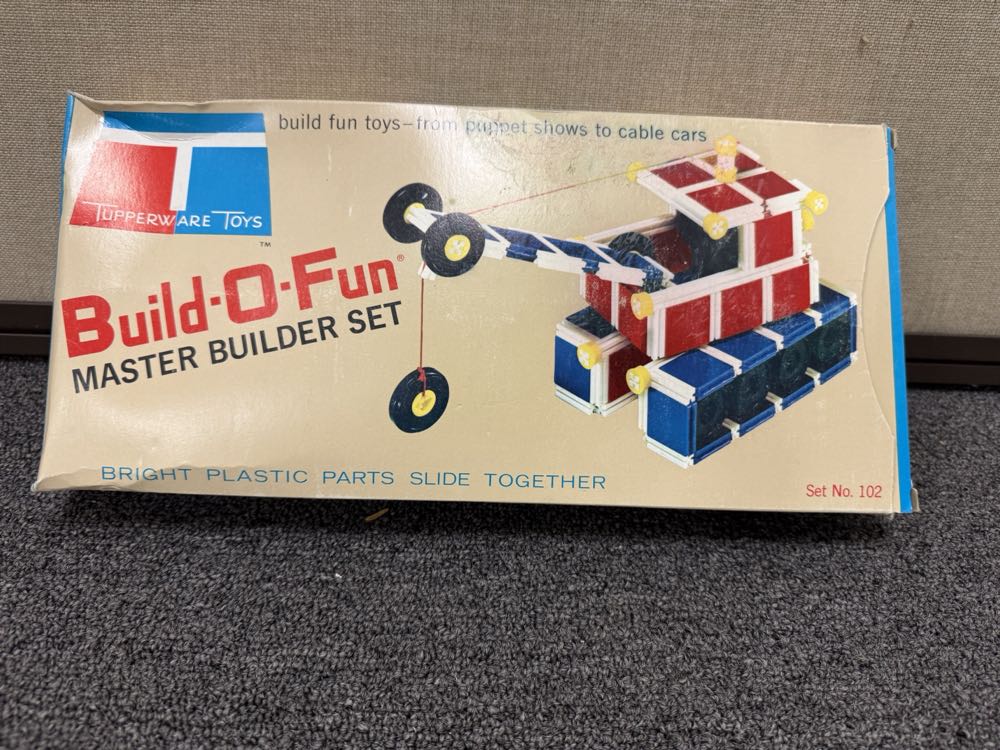
Build-O-Fun Master Builder Set
Build-O-Fun Master Builder Set (Set No. 102) from Tupperware Toys is a confirmed creation directly associated with Reuben Klamer.
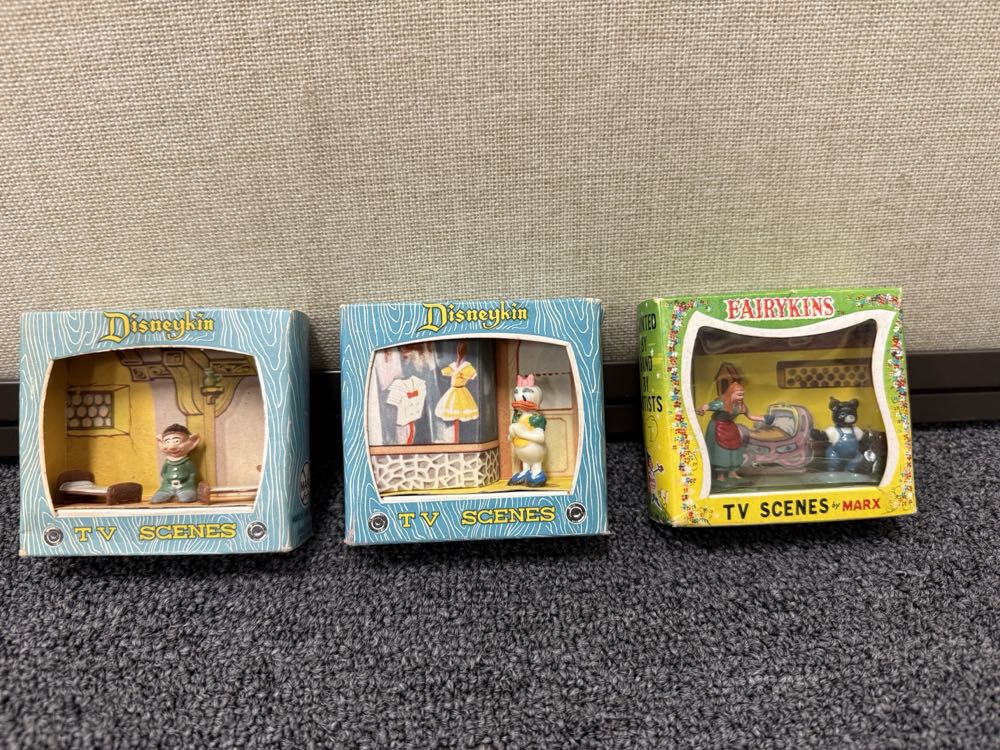
Disneykin And Fairykin TV Scenes
Included for collection, licensing, or development context; the public record credits Loius Marx & Co., Inc..
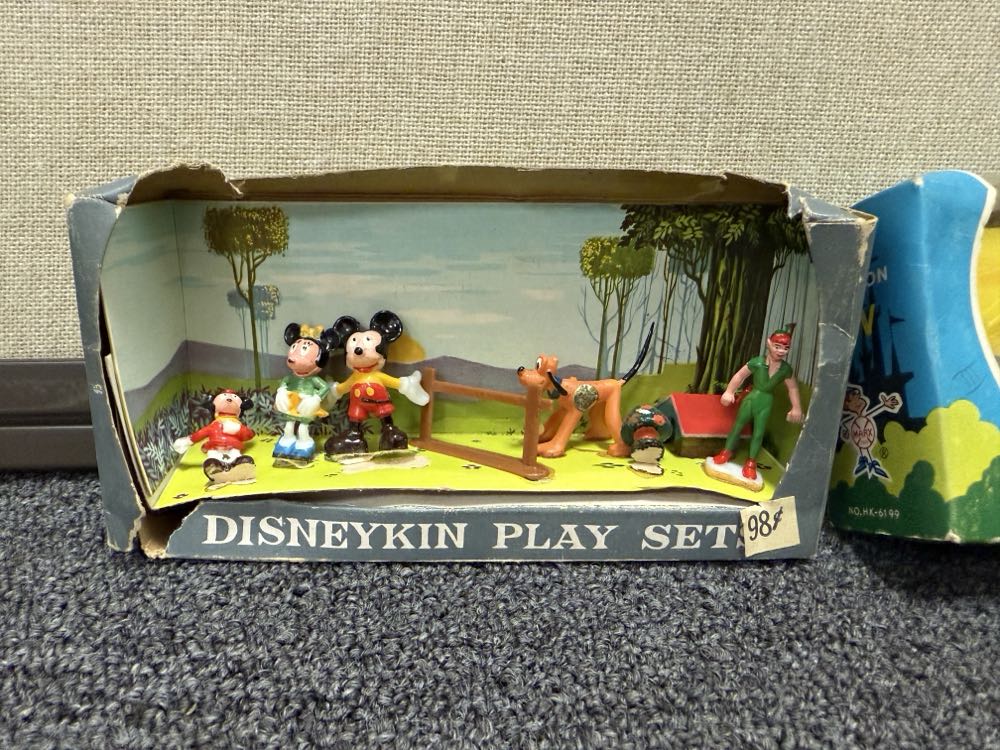
Disneykin Play Sets And TV Scenes
Included for collection, licensing, or development context; the public record credits Loius Marx & Co., Inc..
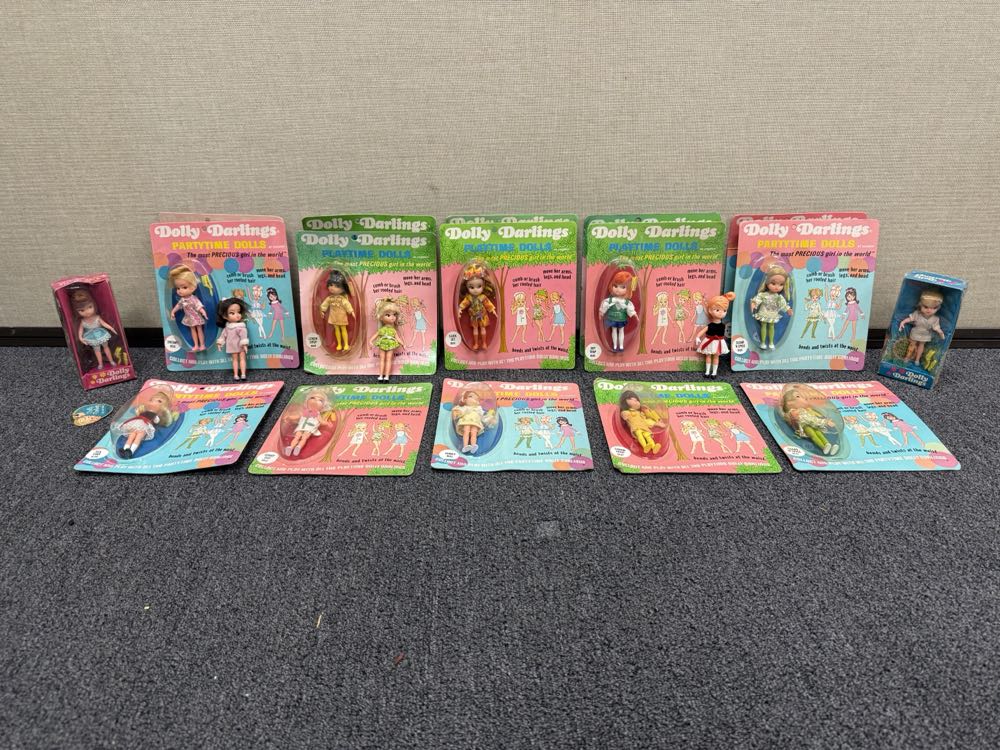
Dolly Darlings
Dolly Darlings Playtime Dolls, a collectible doll line from the 1960s, created and distributed by Hasbro. These dolls are part of a historic line of miniature fashion dolls that were marketed primarily to young girls…
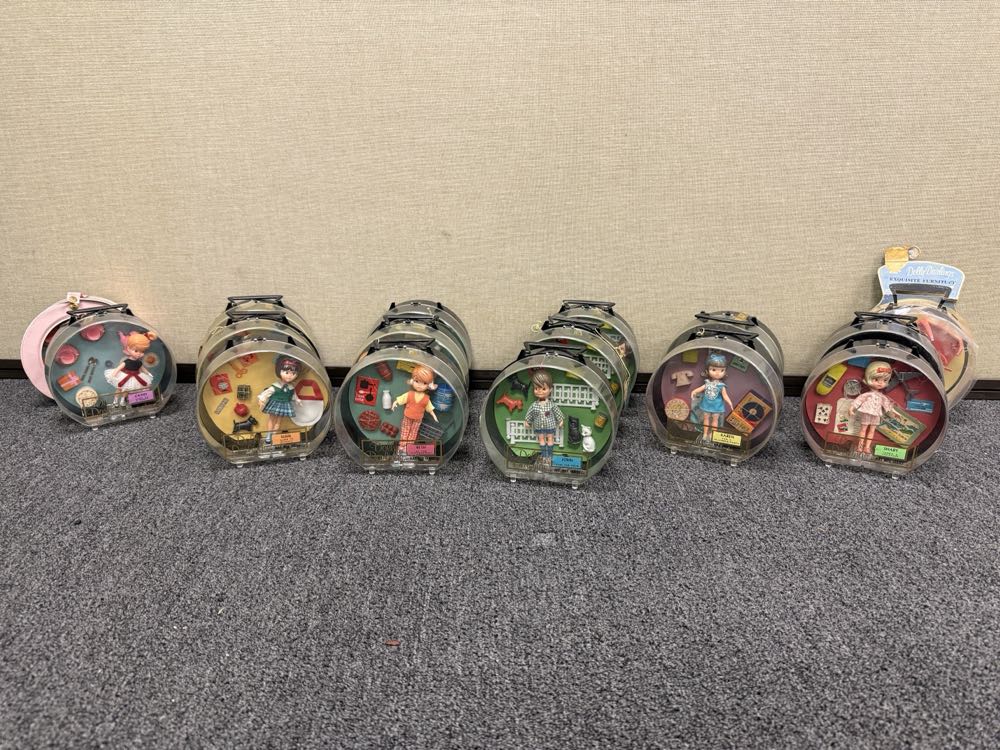
Dolly Darlings (Hat Box Edition)
Dolly Darlings — a collectible doll line from the Hat Box Series, popular in the mid-1960s. Each doll came in a round, clear plastic case designed to look like a hatbox, complete with a scene tailored to the…
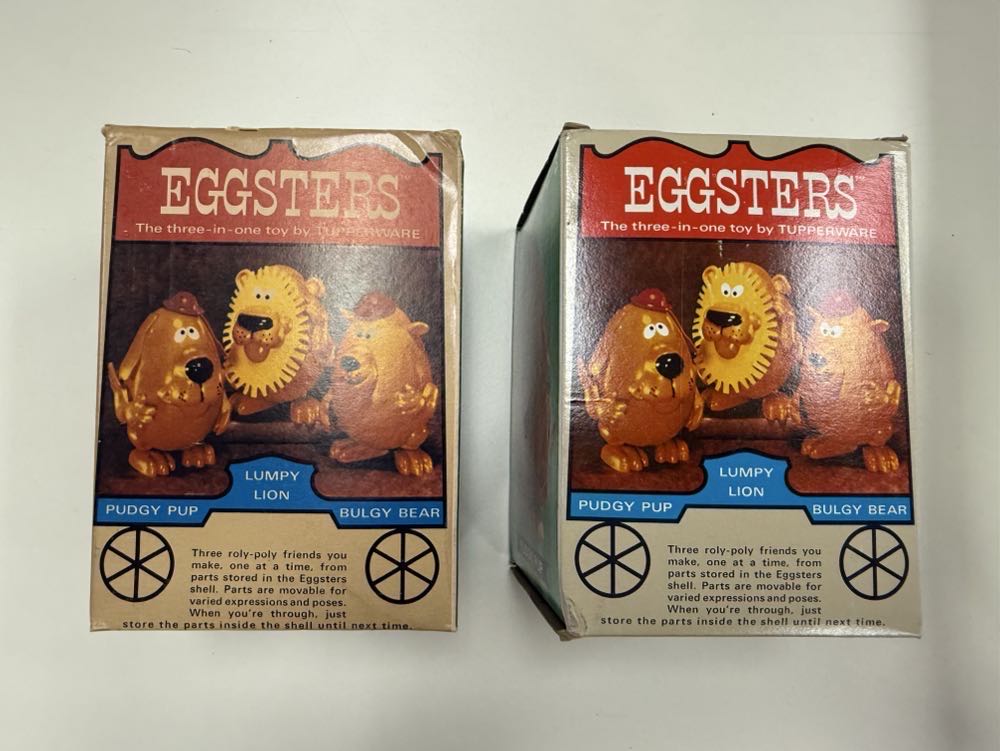
Eggsters
Eggsters. The three and one toy by Tupperware toys. Quick simple fun. No gluing or painting.
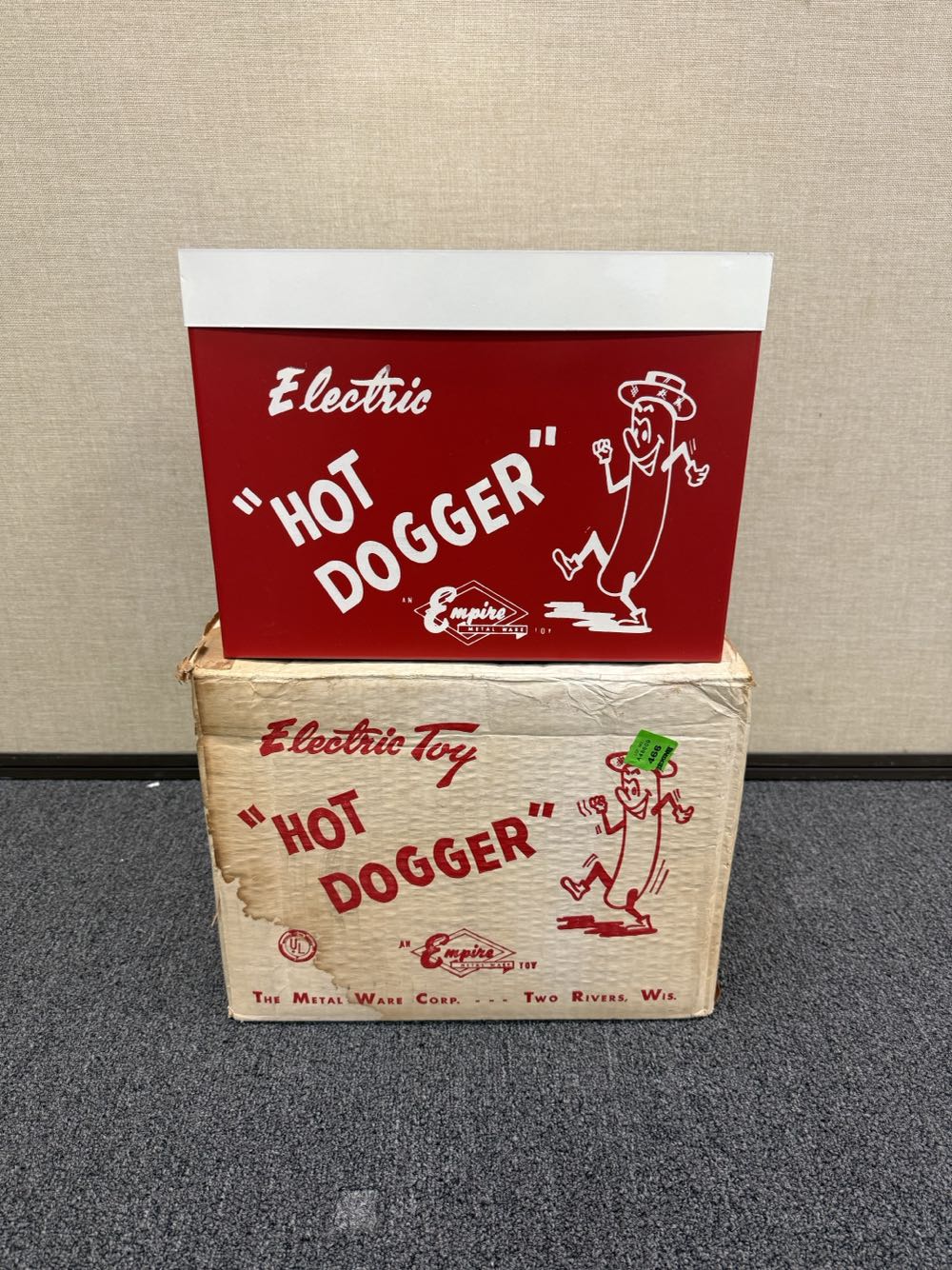
Electric Hot Dogger
This record is included in the Klamer family collection while attribution and supporting documentation are reviewed.
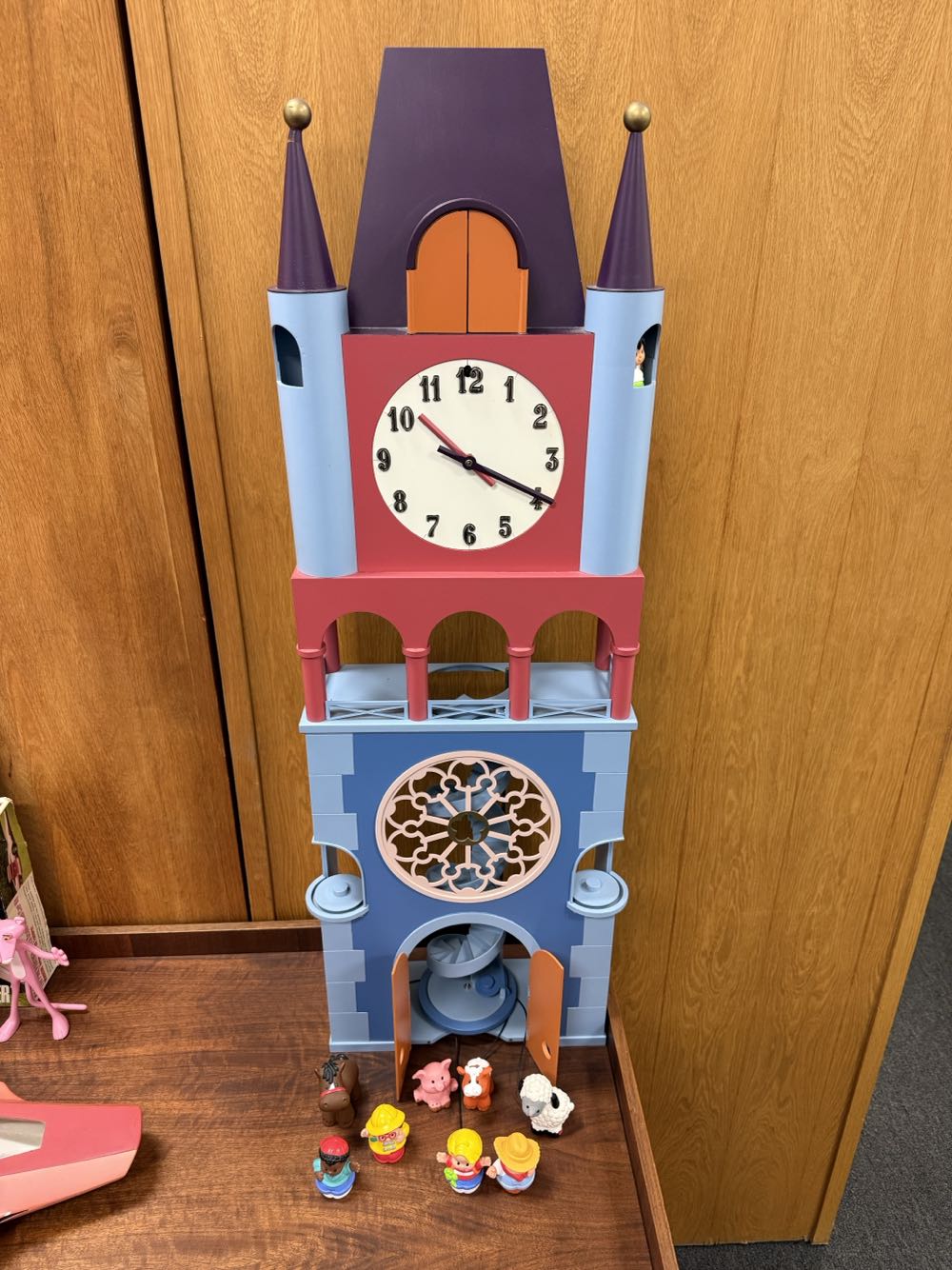
Fischer Price Little People
This record is included in the Klamer family collection while attribution and supporting documentation are reviewed.
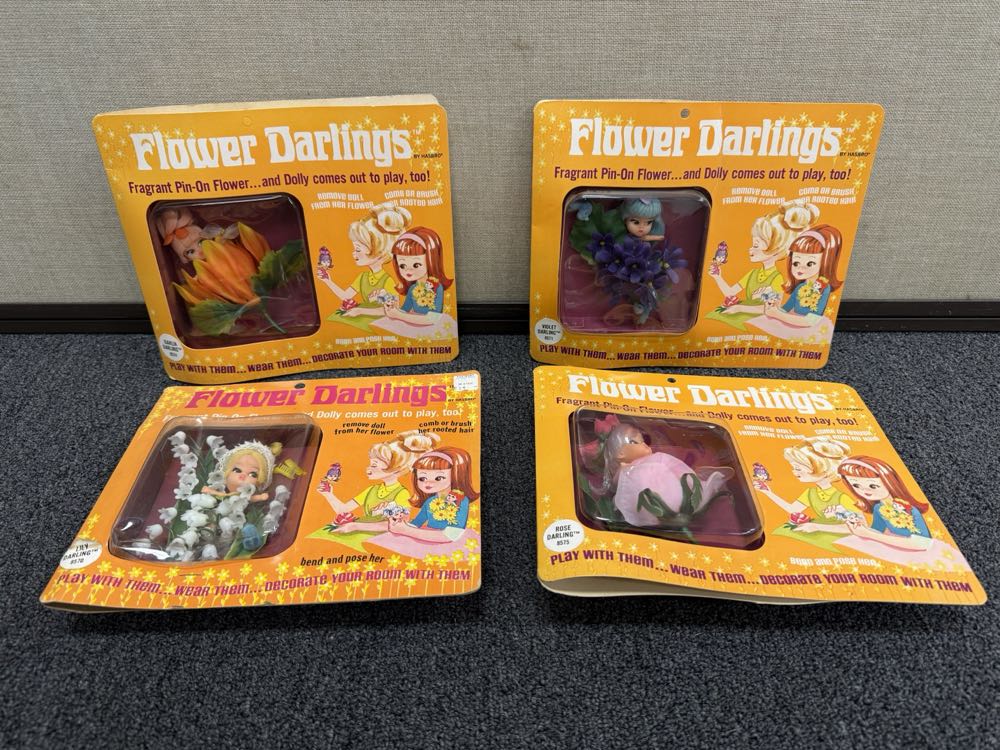
Flower Darlings
Flower Darlings, another collectible doll line from the late 1960s–early 1970s, created as a spin-off or spiritual follow-up to Dolly Darlings. Each Flower Darling came nestled inside a scented, wearable flower that…
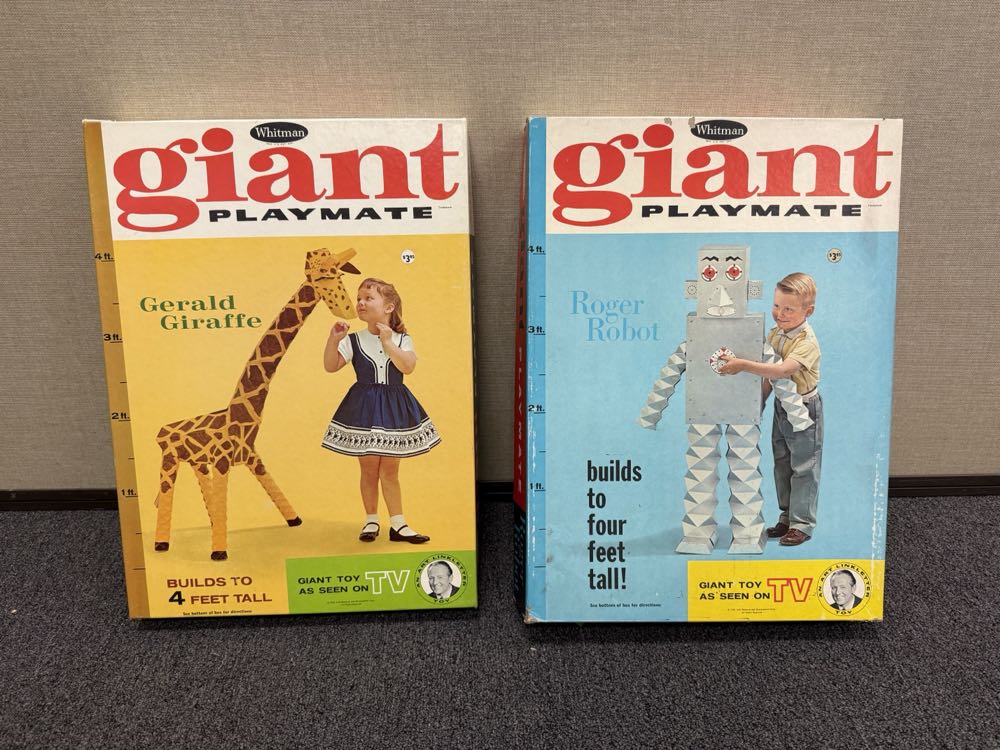
Giant Playmate
Whitman Giant Playmate sets from the early 1960s, published by Whitman Publishing Co., a division of Western Publishing (known for Little Golden Books and board games).
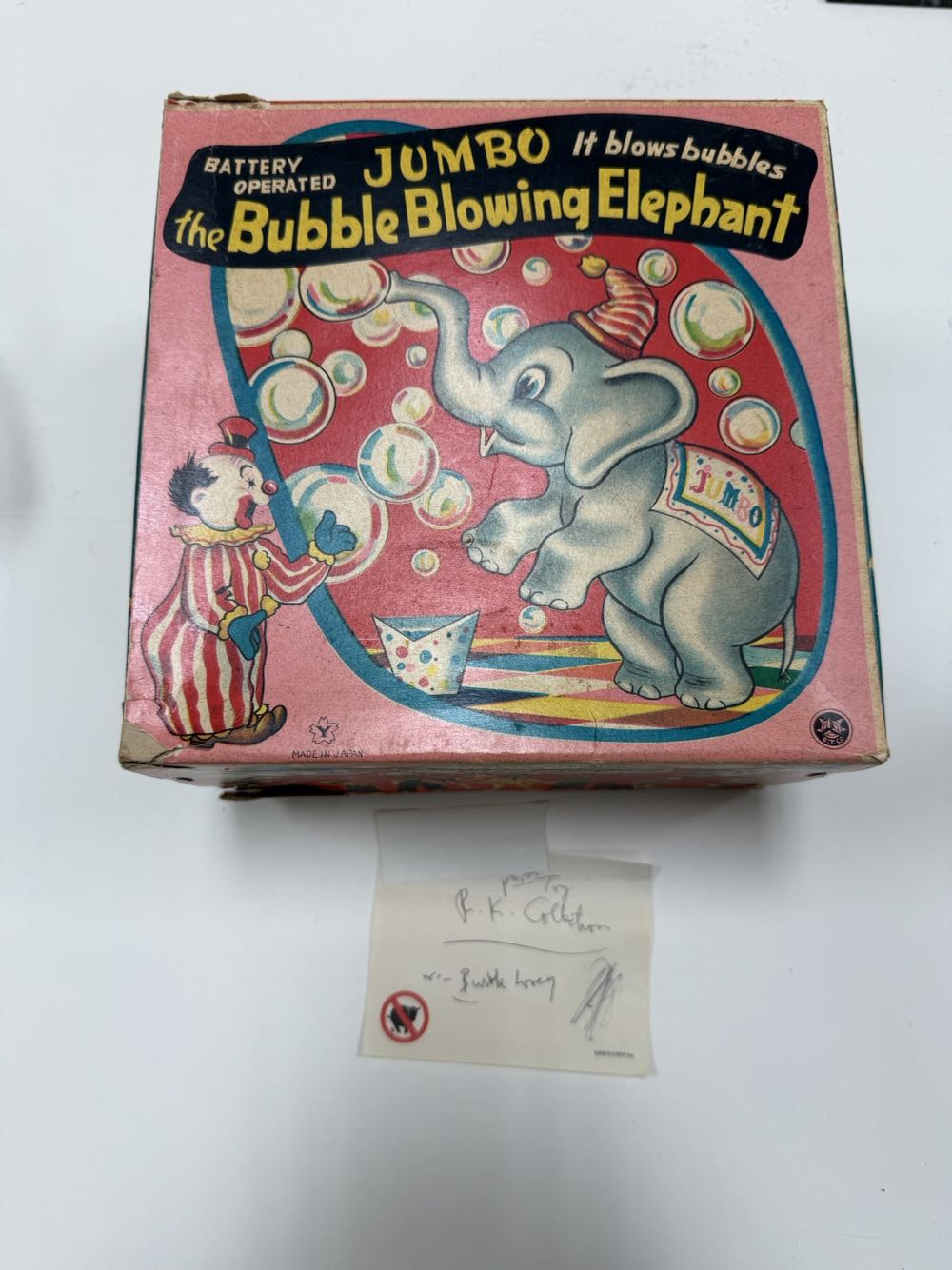
Jumbo The Bubble Blowing Elephant
Included for collection, licensing, or development context; the public record credits Yonezawa Toys.
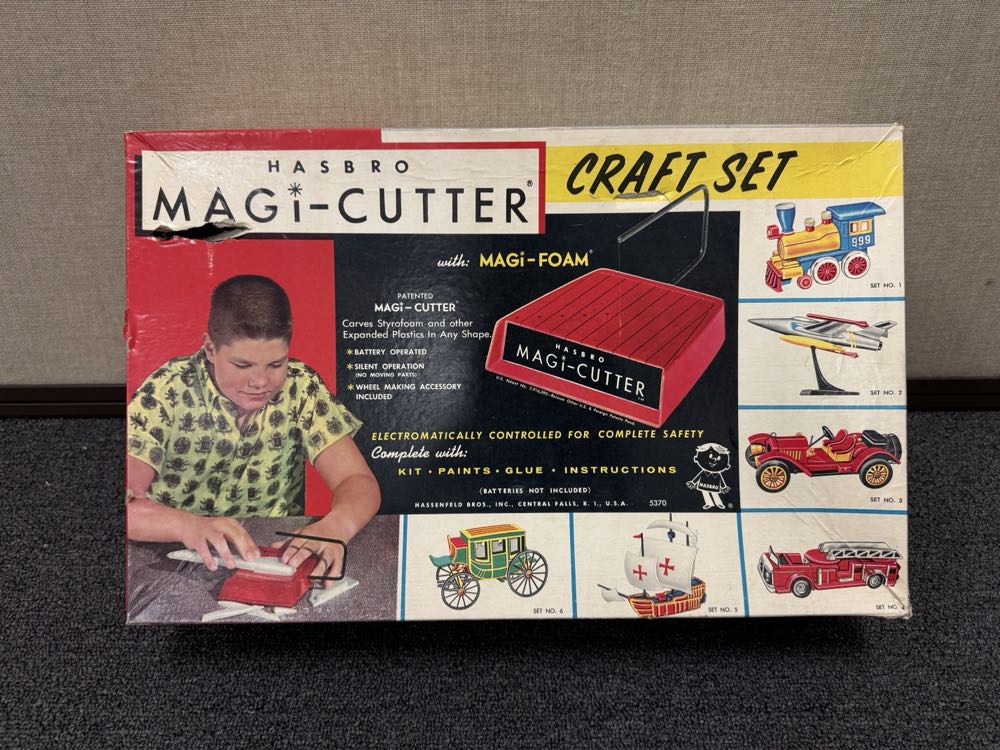
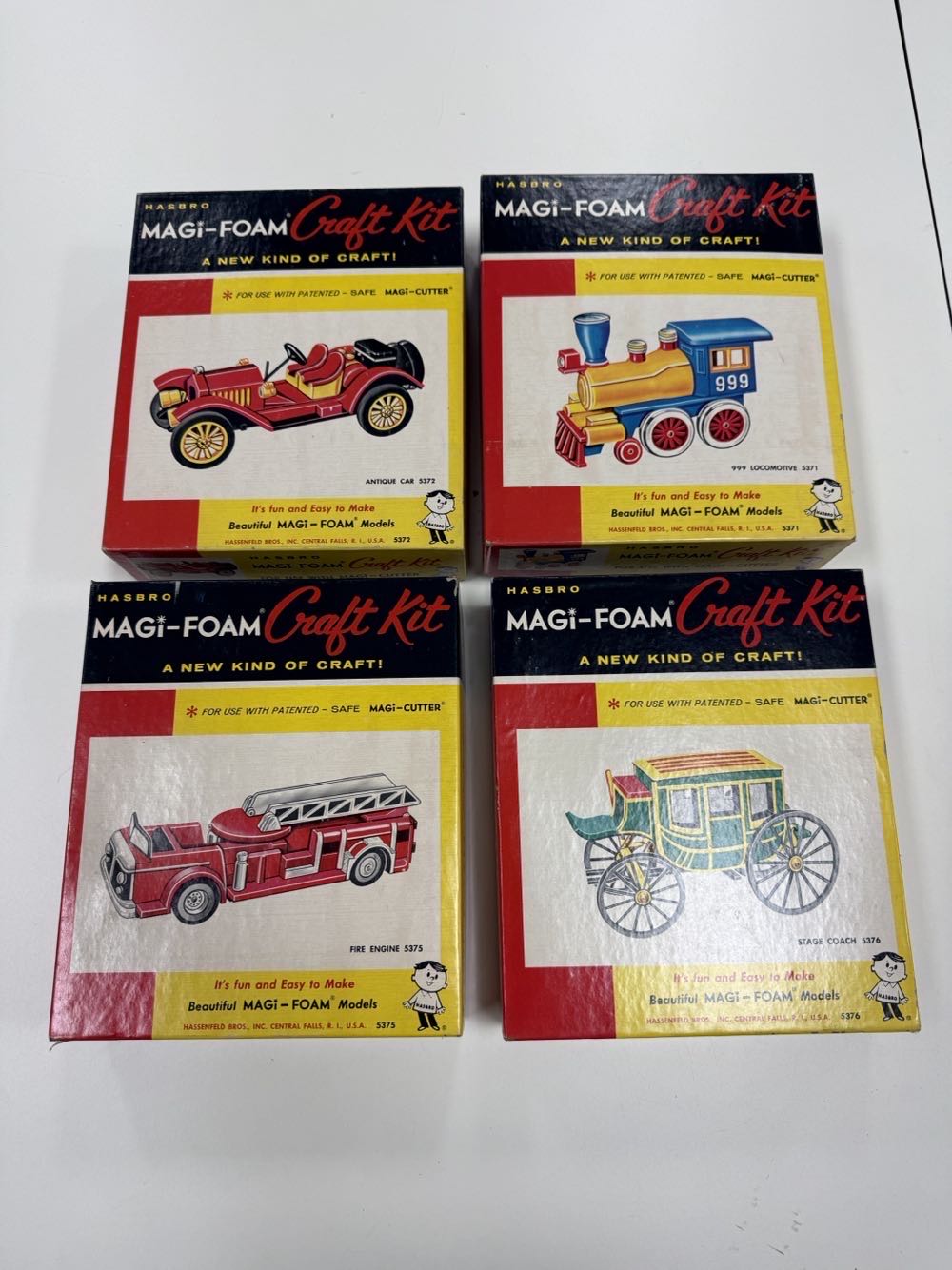
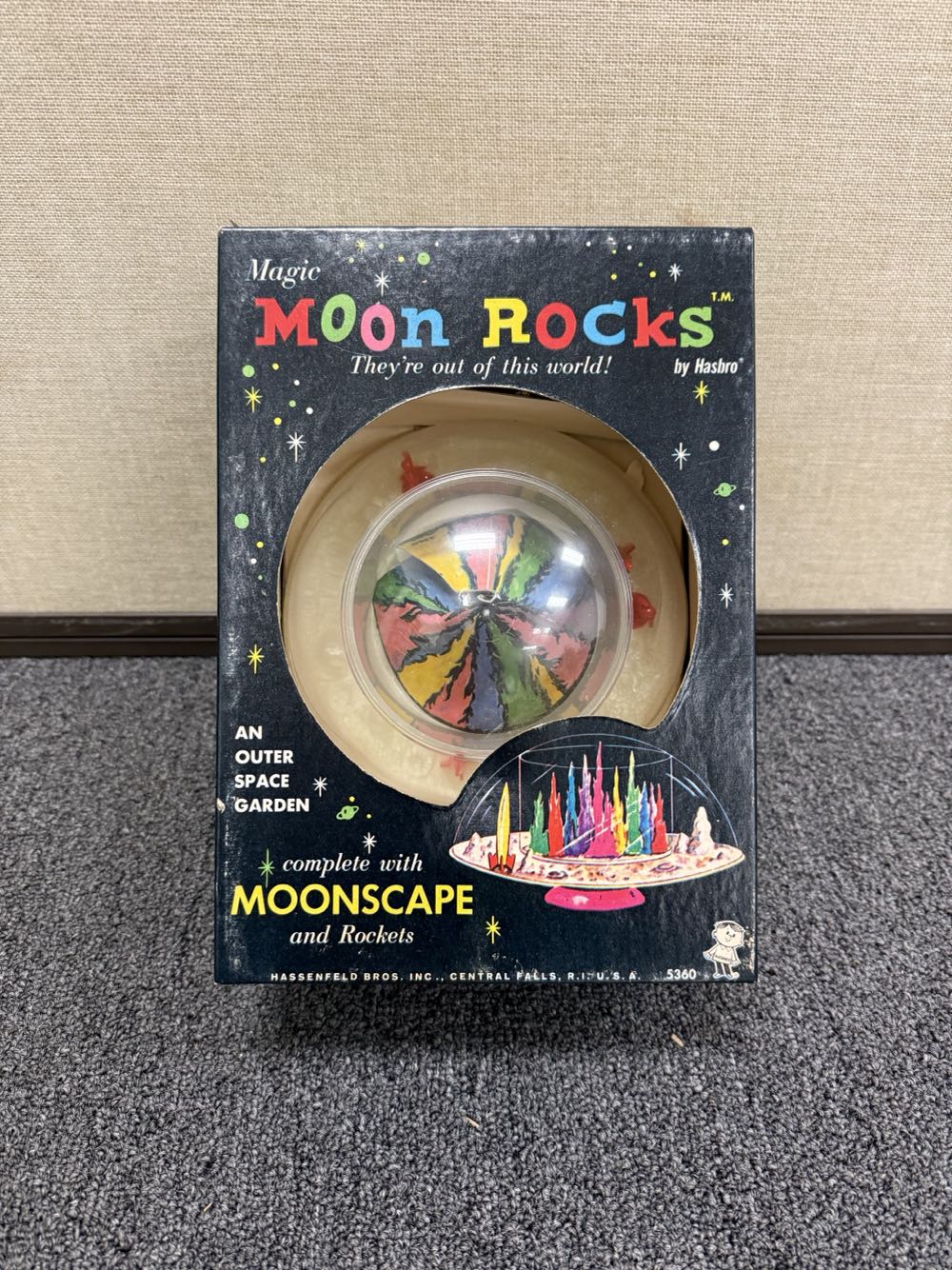
Magic Moon Rocks
“Magic Moon Rocks” toy made by Hasbro (then officially called Hassenfeld Bros., Inc.) in the early 1960s.
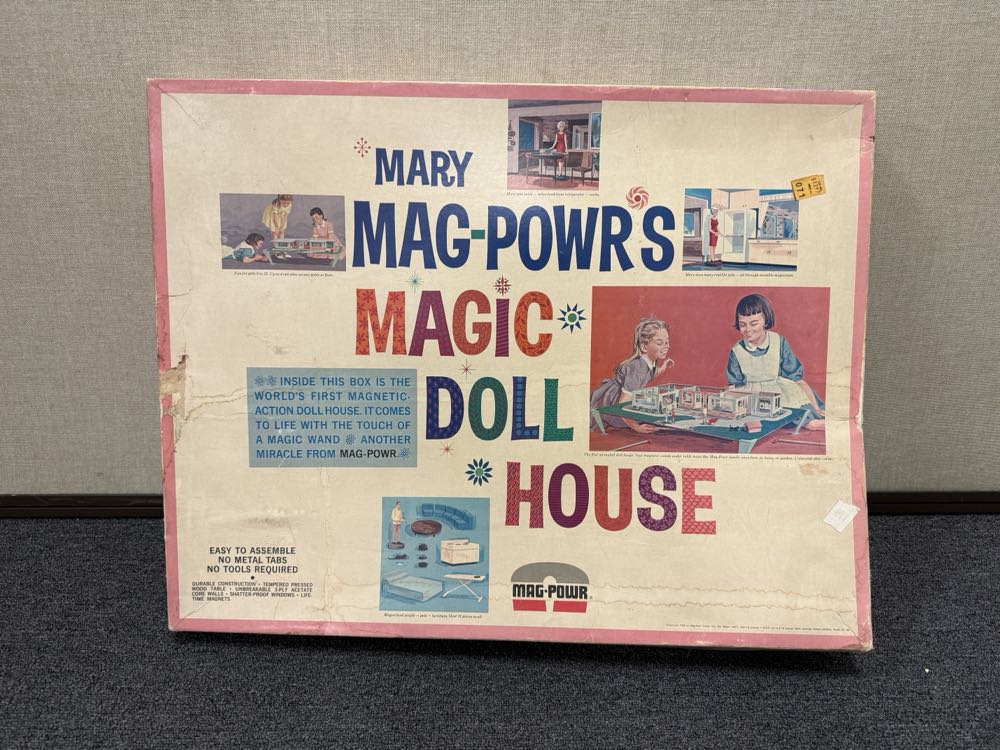
Mary Mag-Powr’s Magic Doll House
“Mary Mag-Powr’s Magic Doll House”, produced by Mag-Powr, and marketed as the world’s first magnetic-action doll house. The key features include:
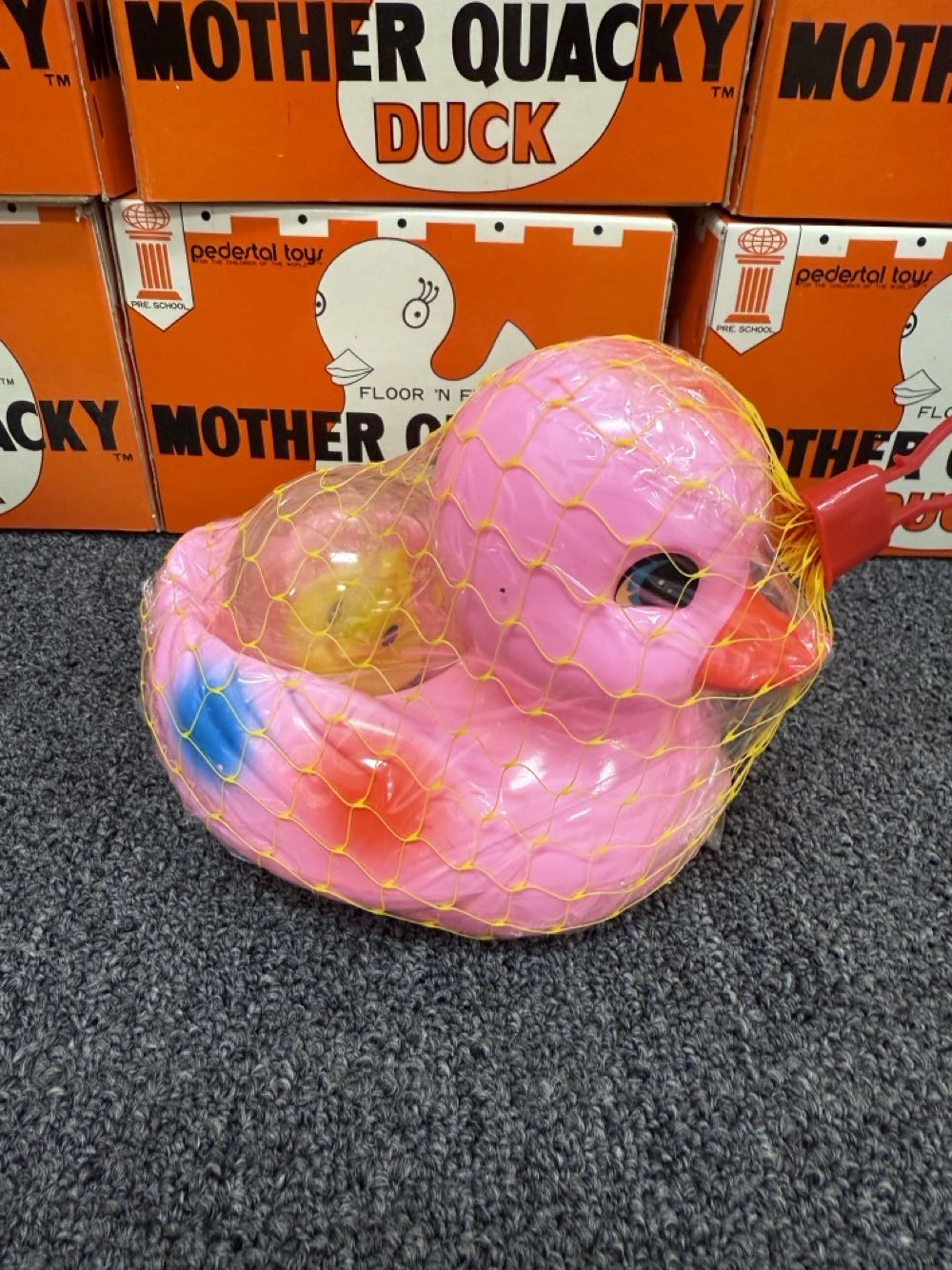
Mother Quacky Duck
This record is included in the Klamer family collection while attribution and supporting documentation are reviewed.
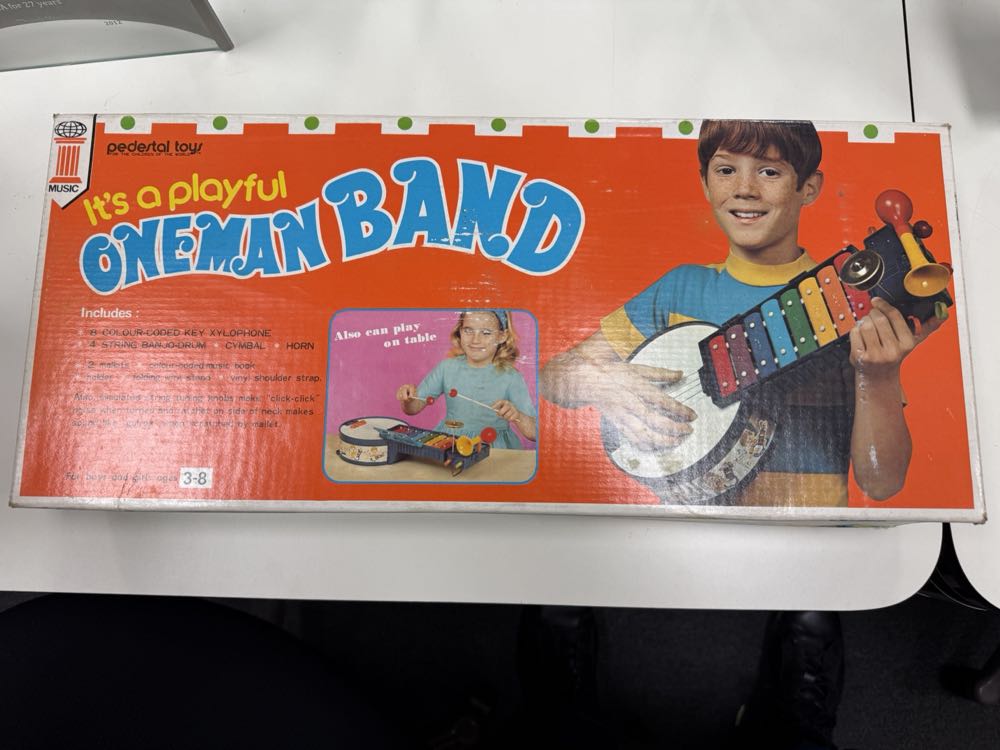
Oneman Band
Included for collection, licensing, or development context; the public record credits Pedestal Toys.
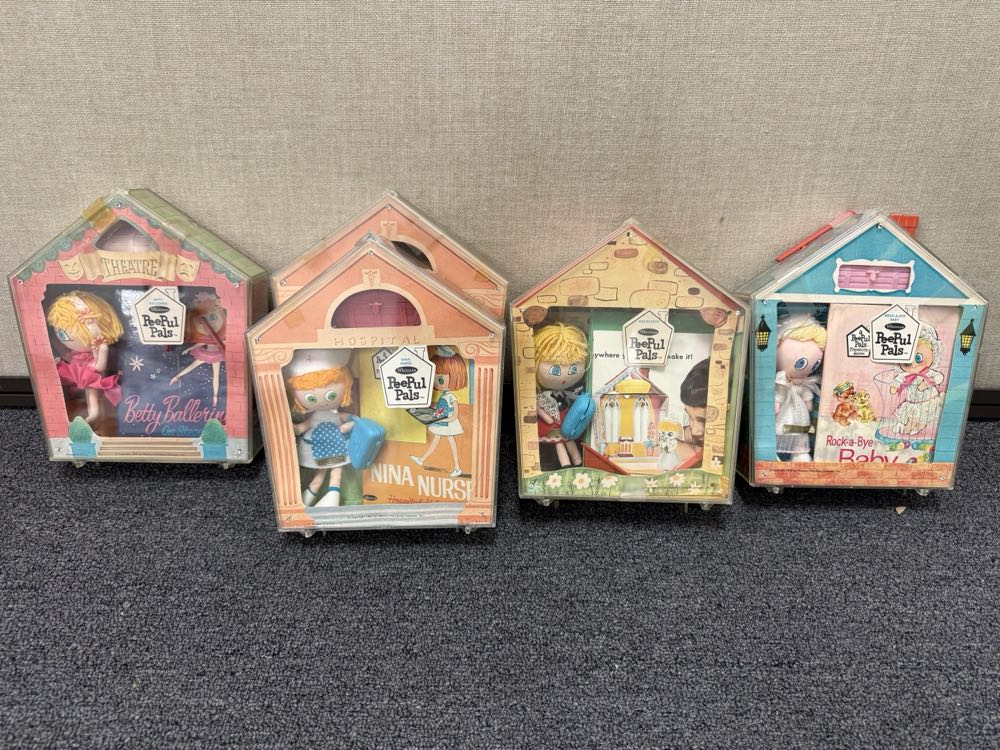
PeePul Pals
PeePul Pals — a line of boxed doll playsets from the mid-1960s. Each set features a soft-bodied doll and themed accessories in a house-shaped package, often branded with character names like:
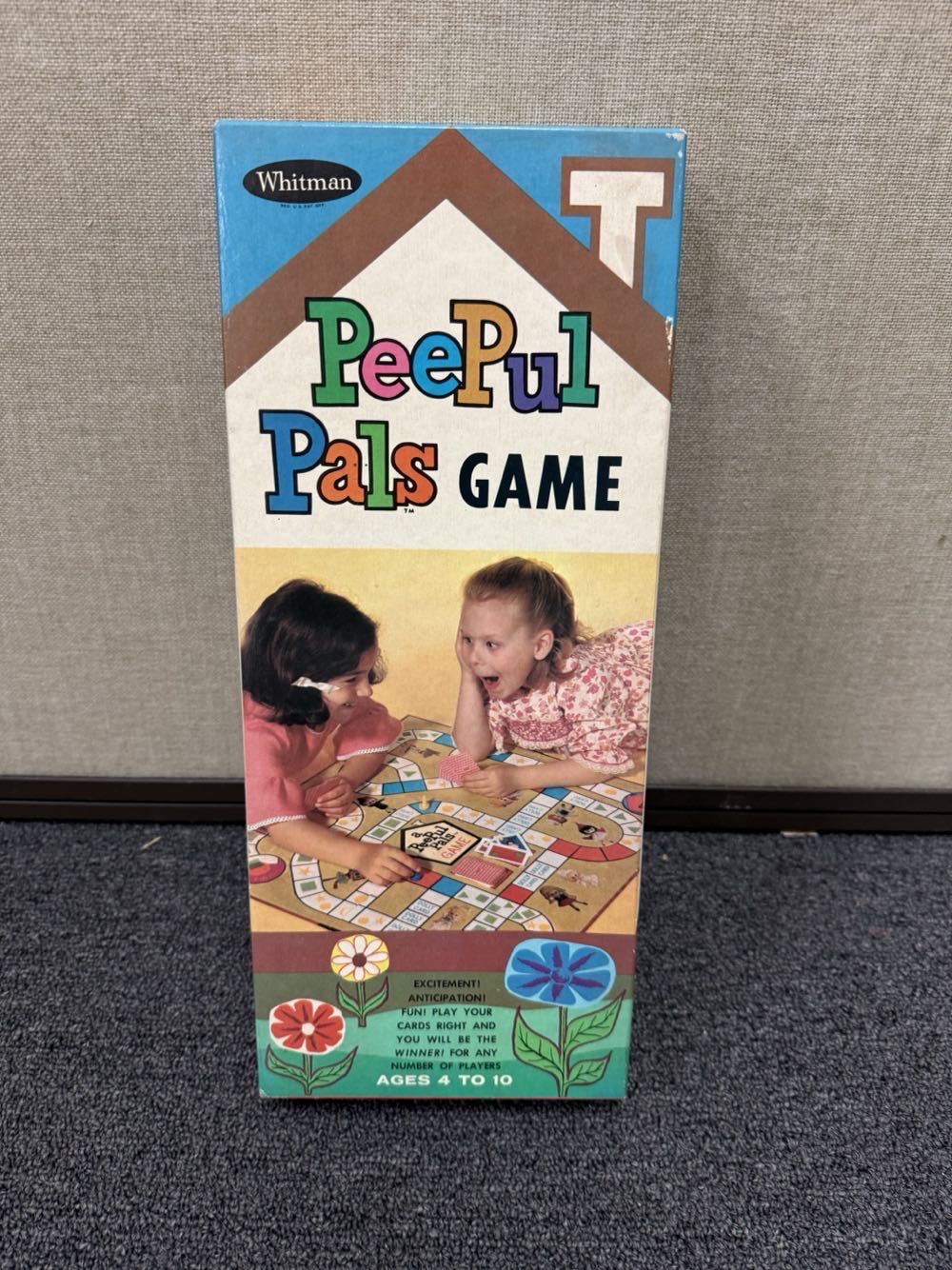
PeePul Pals Game
PeePul Pals Game, published in 1967 by Whitman Publishing Company, a division of Western Publishing.
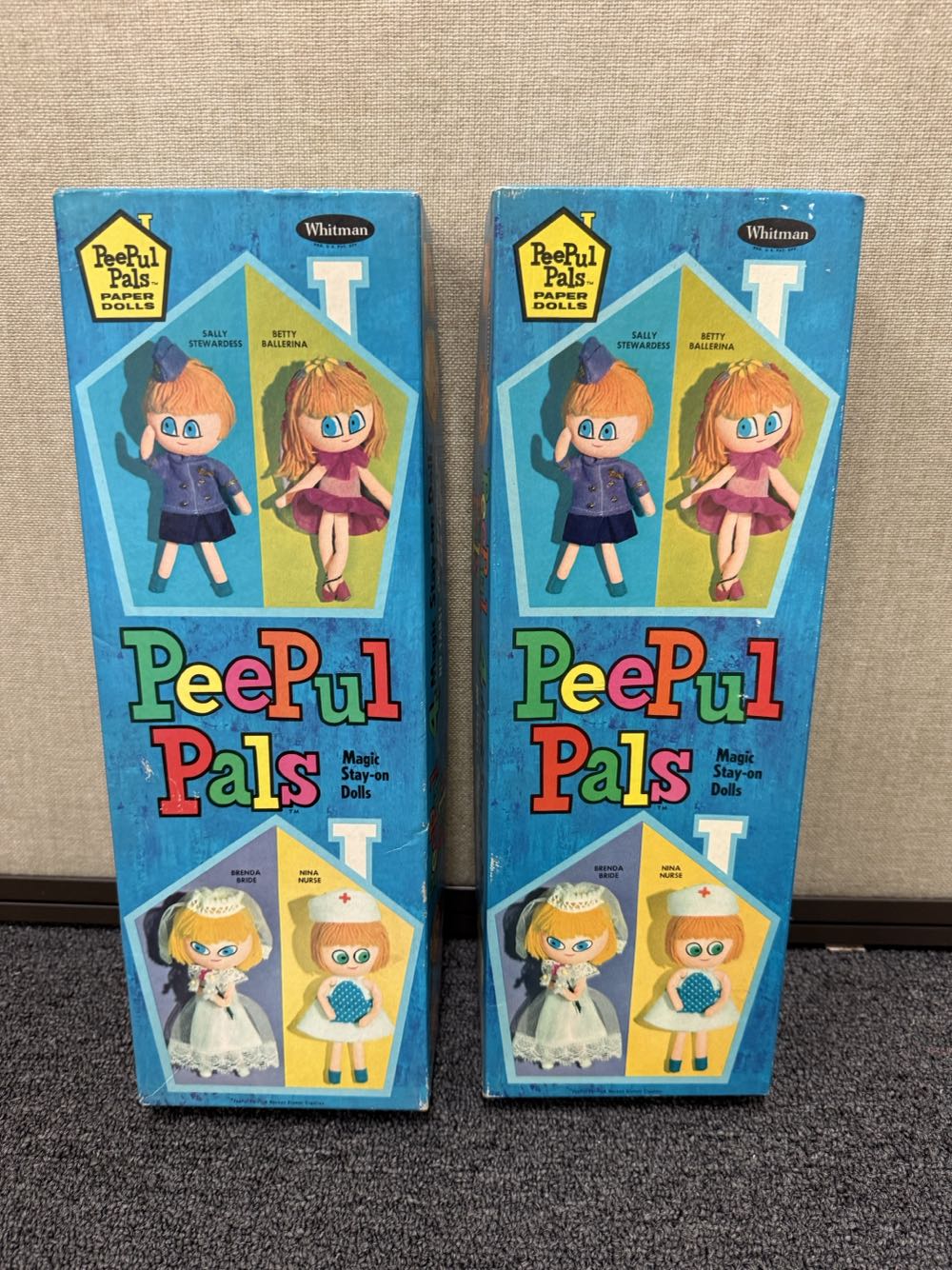
PeePul Pals Magic Stay-On Dolls
PeePul Pals Paper Dolls – Magic Stay-on Dolls, produced by Whitman Publishing Company. They feature illustrated paper dolls based on the same characters from the original PeePul Pals playsets, including:
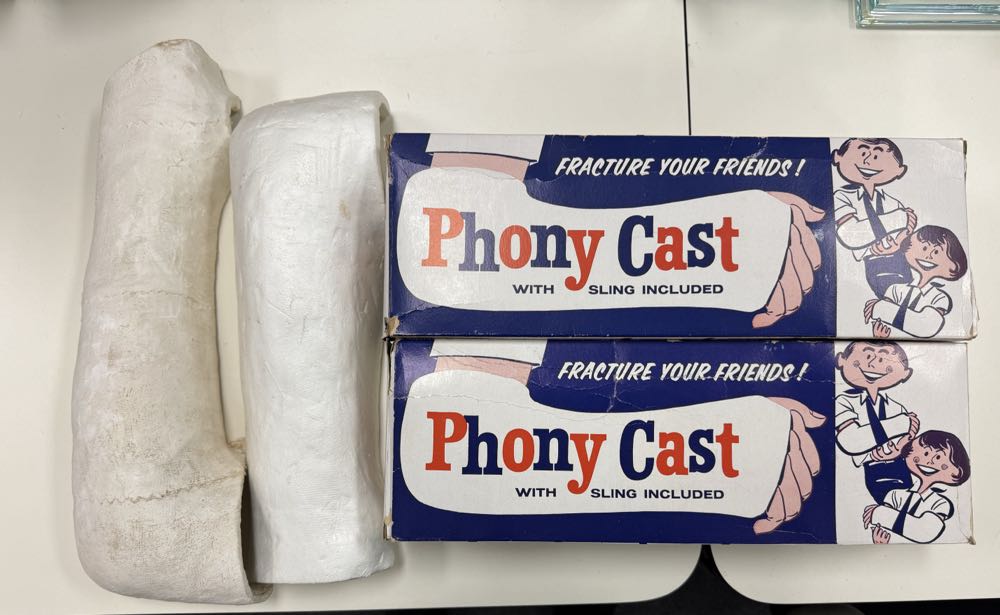
Phony Cast
Phony arm cast with sling included. Created by Reuben Klamer, product, design, and development corporation, Beverly Hills, California. Copyright 1962 H. Fishlove and company.
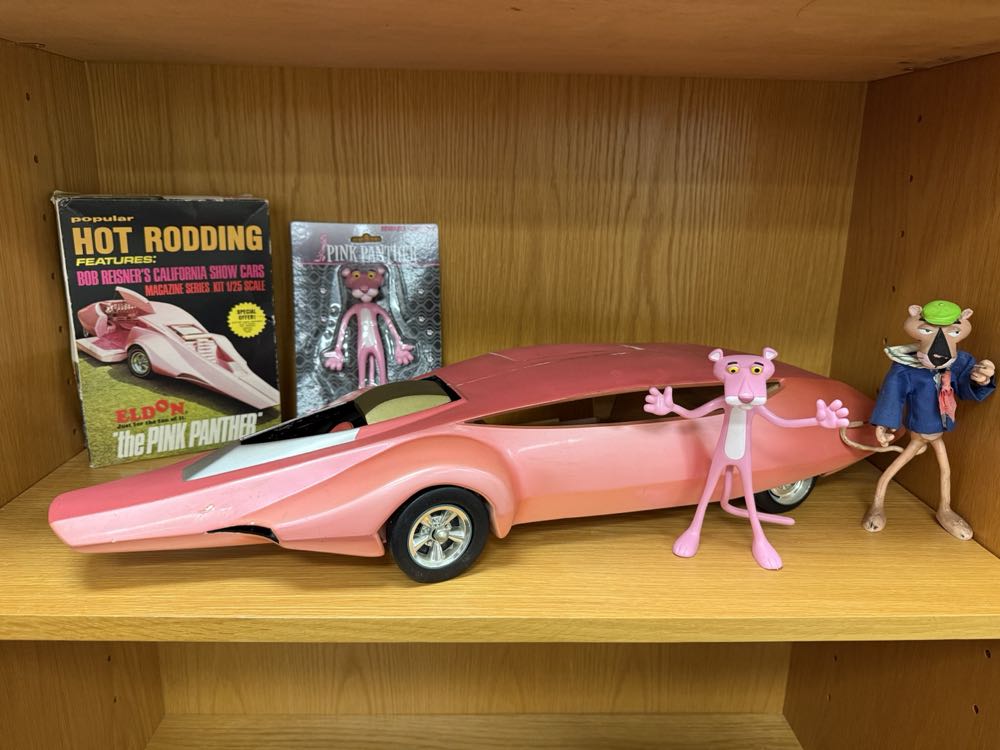
Pink Panther Collection
This record is included in the Klamer family collection while attribution and supporting documentation are reviewed.
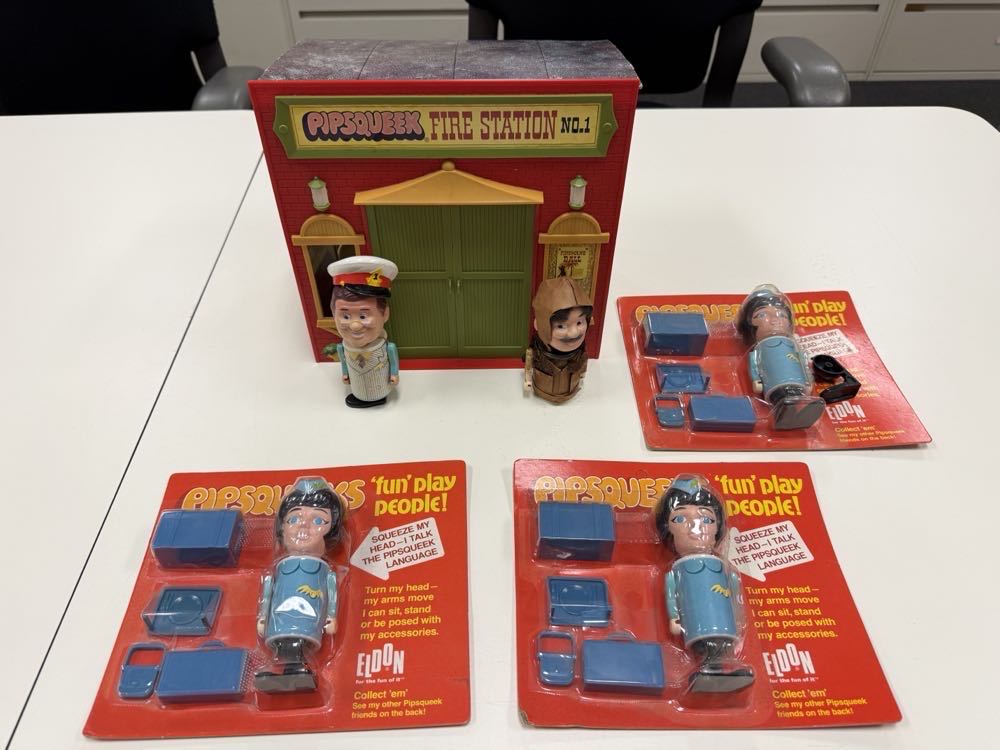
Pipsqueaks
Pipsqueeks “Fun‑Play People” – small squeeze‑toy figures produced by Eldon in the early 1970s. Invented by toy designer Reuben Klamer and Associates and manufactured in Hong Kong around 1970–1971, each figure came…
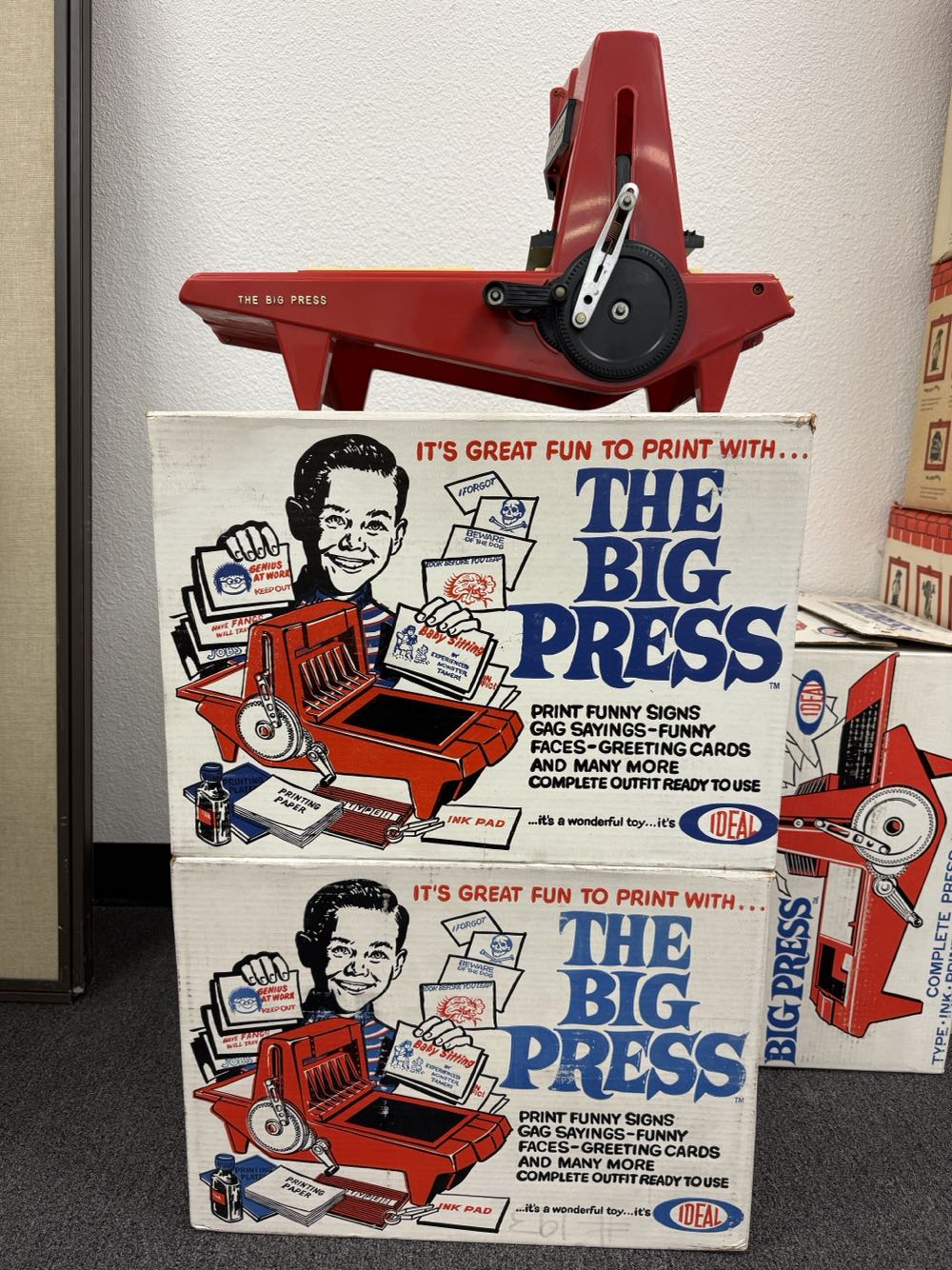
The Big Press
You’re looking at a vintage toy printing press called “The Big Press” made by Ideal Toy Corporation. This item was marketed to children primarily in the 1960s, and it allowed them to print custom signs, gag messages,…
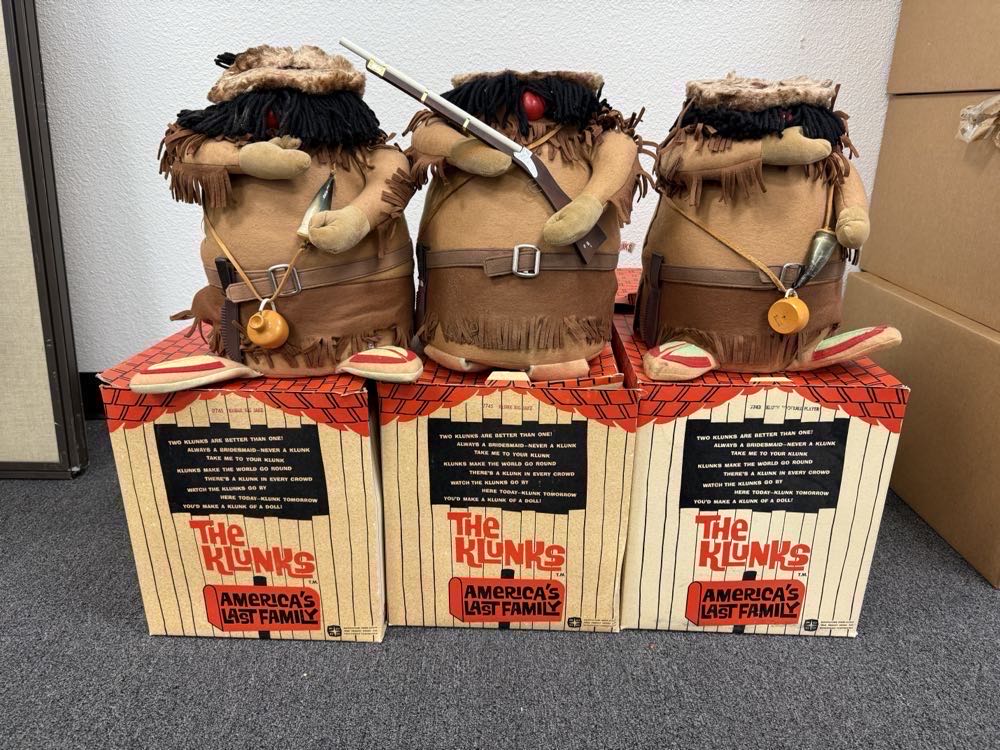
The Klunks
These are vintage plush dolls called “The Klunks – America’s Last Family”, created as a novelty collectible series in the 1970s. They are distinctive for their humorous, scruffy “mountain man” look, often parodying…
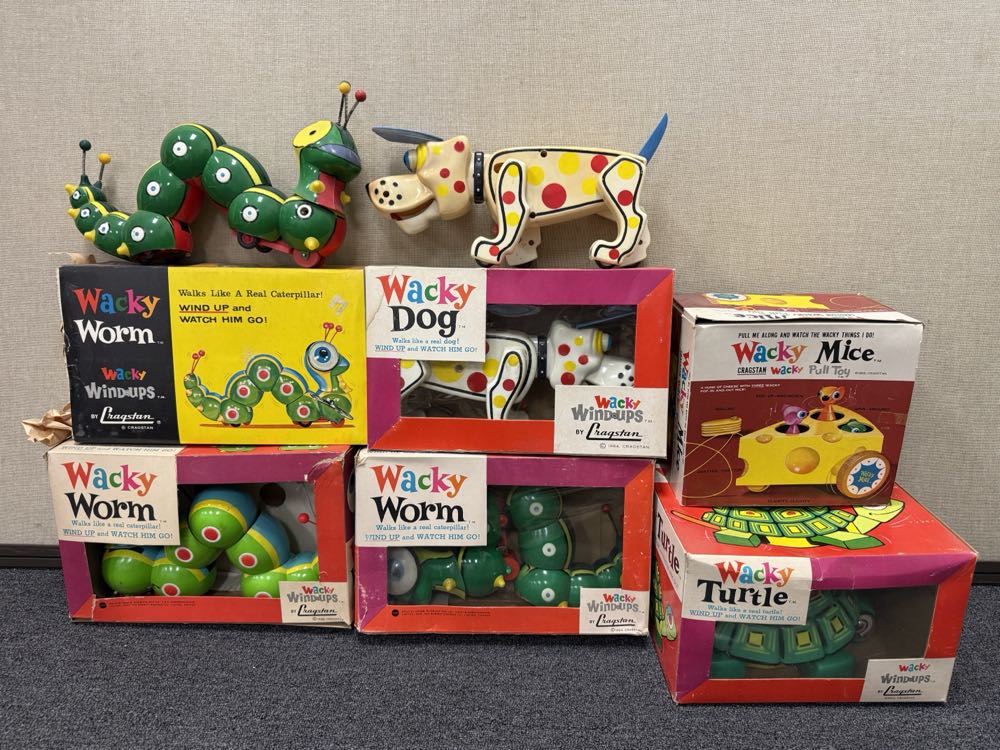
Wacky Windups
This record is included in the Klamer family collection while attribution and supporting documentation are reviewed.
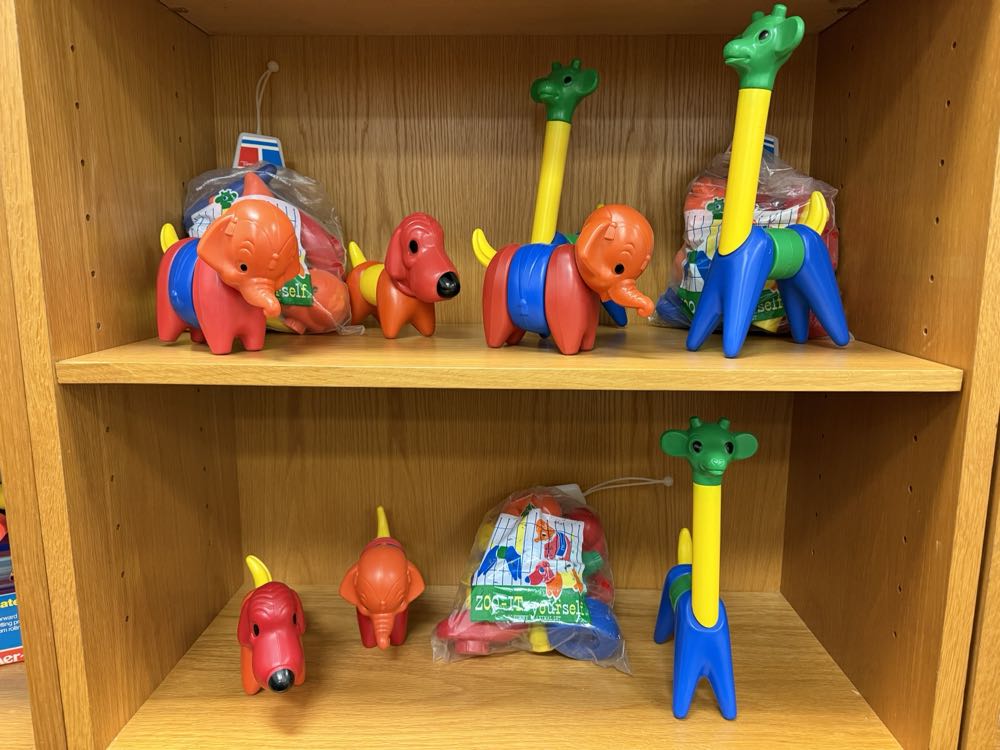
Zoo-It-Yourself
Distributed and manufacturing word by Tupperware toys and designed by Ruben Klamer. The toys are meant for babies and toddlers ages 2-5.
No catalog records match this search. Try a shorter title, a year, or a different filter.